Loading…
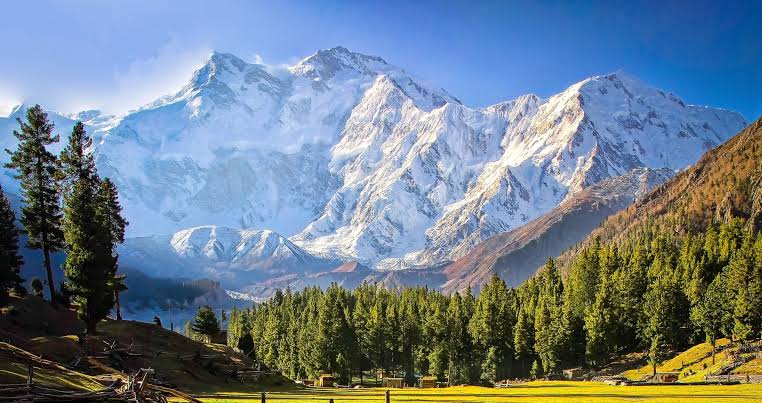
North Pakistan · the Karakoram Highway
Islamabad to Kashgar
20 days · 19 nights
Twenty days through several thousand years of the country — Gandharan ruins outside Islamabad, the Kalasha valleys of Chitral, a trek to Nanga Parbat Base Camp, and Hunza's fortified villages, ending at one of the highest border crossings in the world.
Some journeys move through a country. This one moves through several thousand years of it.
The road north from Islamabad begins in the plains where Alexander's armies once turned back, and where the Buddhist stupas of Taxila still stand as evidence of a world once fluent in Greek, Persian, and Sanskrit at once. It runs through Peshawar, a city that has absorbed every empire that has passed through it - Gandharan, Persian, Mughal, Sikh, colonial, and now contemporary - without losing the thread of any of them. Qissa Khwani Bazaar, the Storytellers' Market, still lives up to its name.
From there the route climbs into Swat, where Buddhist stupas and rock carvings mark what was once one of the great monastic landscapes of the ancient world, and further still into Chitral, where the Kalasha valleys hold onto a culture found nowhere else on earth. This is Silk Route country in the truest sense - not a metaphor, but the actual roads merchants and monks once used to move between the Indian subcontinent and Central Asia.
From Chitral onwards, the trip moves through the Hindu Kush, traversing Upper Chitral, Shandur Pass, Gupis-Yasin, and Ghizer up to Gilgit, visiting one of Pakistan's most beautiful and underexplored regions. In Gilgit, you stand at the junction of the Karakorams and the Hindu Kush, and from there the road turns to Fairy Meadows in the Himalayas, offering the closest most travelers will ever stand to Nanga Parbat, the ninth-highest mountain on earth. Hunza closes the Pakistani leg: forts above the Hunza River, turquoise lakes formed by landslides, and villages where the Karakoram, Pamir, and Himalaya converge in a single view.
The journey ends, fittingly, at a border - Khunjerab Pass, one of the highest paved crossings in the world, and the gateway into Kashgar and China's western frontier.
This is not a trip that moves quickly. It is built for mornings that begin without urgency, and for the kind of travel where the drive itself is as much the point as the destination at the end of it.
What this trip covers
- Twenty days across six regions, from the plains of Punjab to the high passes of the Karakoram
- Gandharan and Buddhist heritage as a continuous thread tracing the Silk Route's oldest chapter
- Peshawar's layered history in a single day, from Gor Khatri to Qissa Khwani
- The Kalasha valleys, a culture unlike anywhere else on the route
- The Shandur Pass, home to the world's highest polo ground
- A trek to Nanga Parbat Base Camp, brought within reach without requiring mountaineering experience
- Baltistan's opening landscapes and Hunza's fortified villages, bookending the high altitude core of the trip
- Two nights in most places, with room to breathe rather than a trip in constant motion
Day by day
20 days, each one open below — tap a day to see the plan.
Day11 SeptemberIslamabad to Peshawar via Taxila
- 08:00 AM — Departure from Islamabad
- 09:00 AM — Dharmarajika Stupa and Monastery
- 10:30 AM — Taxila Museum
- 12:00 PM — Sirkap Palace
- 01:00 PM — Jaulian Buddhist Stupa and Monastery
- 05:00 PM — Arrival in Peshawar
Day22 SeptemberPeshawar and surroundings
- 10:00 AM — Peshawar Museum
- 12:00 PM — Gor Khatri
- 01:00 PM — Sethi House
- 02:00 PM — Mahabat Khan Mosque
- 03:00 PM — Qissa Khwani Bazaar
- 08:00 PM — Dinner
Day33 SeptemberPeshawar to Mingora via Takht-i-Bahi
- 09:00 AM — Departure from Peshawar
- 11:00 AM — Takht-i-Bahi Monastery
- 01:00 PM — Sahr-i-Bahlol
- 05:30 PM — Arrival in Mingora
Day44 SeptemberAncient sites of the Swat Valley
- 10:00 AM — Ghalegay Buddha and Shingardar Stupa
- 11:30 AM — Butkara I Archaeological Site
- 12:30 PM — Butkara III Archaeological Site
- 02:00 PM — Swat Museum
- 04:00 PM — Saidu Sharif Stupa
- 08:00 PM — Dinner
Day55 SeptemberMalam Jabba day trip
- 09:00 AM — Departure from Mingora
- 09:30 AM — Jehanabad Buddha
- 11:30 AM — Arrival at Malam Jabba
- 06:00 PM — Departure from Malam Jabba
- 08:00 PM — Arrival in Mingora
Day66 SeptemberMingora to Chitral
- 08:00 AM — Departure from Mingora
- 01:00 PM — Dir Fort
- 04:00 PM — Drosh Fort
- 06:30 PM — Arrival in Chitral
Day77 SeptemberKalasha Valleys
- 08:00 AM — Departure from Chitral
- 10:00 AM — Arrival in Bumburet
- 04:00 PM — Departure from Bumburet
- 06:00 PM — Arrival in Chitral
Day88 SeptemberChitral city and surroundings
- 11:00 AM — Chitral Fort
- 12:00 PM — Shahi (Central) Mosque
- 01:00 PM — Chitral Gol National Park (Birmoghlasht Summer Palace and surroundings)
- 08:00 PM — Dinner
Day99 SeptemberChitral to Mastuj
- 10:00 AM — Departure from Chitral
- 01:00 PM — Stop at Qaqlasht Meadows and Booni
- 05:00 PM — Arrival in Mastuj
Day1010 SeptemberMastuj to Gupis
- 09:00 AM — Departure from Mastuj
- 12:00 PM — Stop at Shandur Top and Shandur Lake
- 03:00 PM — Stop at Phander Valley
- 06:00 PM — Arrival in Gupis
Day1111 SeptemberGupis to Gilgit
- 11:00 AM — Departure from Gupis
- 01:00 PM — Stop at Gahkuch
- 03:30 PM — Arrival in Gilgit
- Optional stops: Gupis Fort, Gahkuch Fort, Henzal Stupa, Kargah Buddha
Day1212 SeptemberDay in Gilgit
- Rest day in Gilgit
- Optional places to visit / hikes: Jamatkhana Bazaar, Imamia Jamia Masjid, Gadi Bagh, Chinar Bagh (dependent on government access), Jutial Barmus Trail, Taj Mughal Monument, Namgyal Trek, Danyore-Gilgit City Viewpoint
Day1313 SeptemberGilgit to Fairy Meadows
- 08:00 AM — Departure from Gilgit
- 10:30 AM — Stop at Raikot Bridge. Board vehicles.
- 01:30 PM — Stop at Tatto. Begin trek.
- 04:30 PM — Arrival at Fairy Meadows
Day1414 SeptemberNanga Parbat Base Camp trek
- 07:00 AM — Begin trek from Fairy Meadows
- 09:00 AM — Stop at Beyal Camp
- 10:30 AM — Stop at Nanga Parbat Viewpoint
- 12:00 PM — Visit Nanga Parbat Base Camp
- 01:00 PM — Begin return
- 04:00 PM — Stop at Beyal Camp
- 06:00 PM — Arrival at Fairy Meadows
Day1515 SeptemberFairy Meadows free day
- Fairy Meadows leisure day
Day1616 SeptemberFairy Meadows to Hunza
- 08:00 AM — Begin trek from Fairy Meadows
- 11:00 AM — Stop at Tatto. Board jeeps.
- 02:00 PM — Stop at Raikot Bridge. Board vehicles.
- 03:30 PM — Stop at Danyore
- 05:00 PM — Ghulmet
- 06:00 PM — Arrival in Karimabad
Day1717 SeptemberCentral Hunza
- 12:00 PM — Baltit Fort
- 03:00 PM — Altit Fort
- 05:00 PM — Duiker Hill (Eagle's Nest)
- Evening onward — Karimabad Bazaar
Day1818 SeptemberKarimabad to Gulmit
- 12:00 PM — Karimabad
- 01:30 PM — Attabad Lake
- 03:30 PM — Gulmit / Ghulkin
Day1919 SeptemberDay in Gojal
- 10:00 AM — Hussaini Suspension Bridge
- 11:00 AM — Zarabad and Khurramabad
- 01:00 PM — Borith Lake
- 04:00 PM — Passu (Passu Cones Viewpoint, Passu Suspension Bridge, Rainbow Bridge)
- 05:00 PM — Arrival in Sost
Day2020 SeptemberBorder crossing
- Sost, on to Kashgar via Khunjerab Pass
Where you'll stay
A selection of the hotels on this route — the full stay list is confirmed as part of planning.
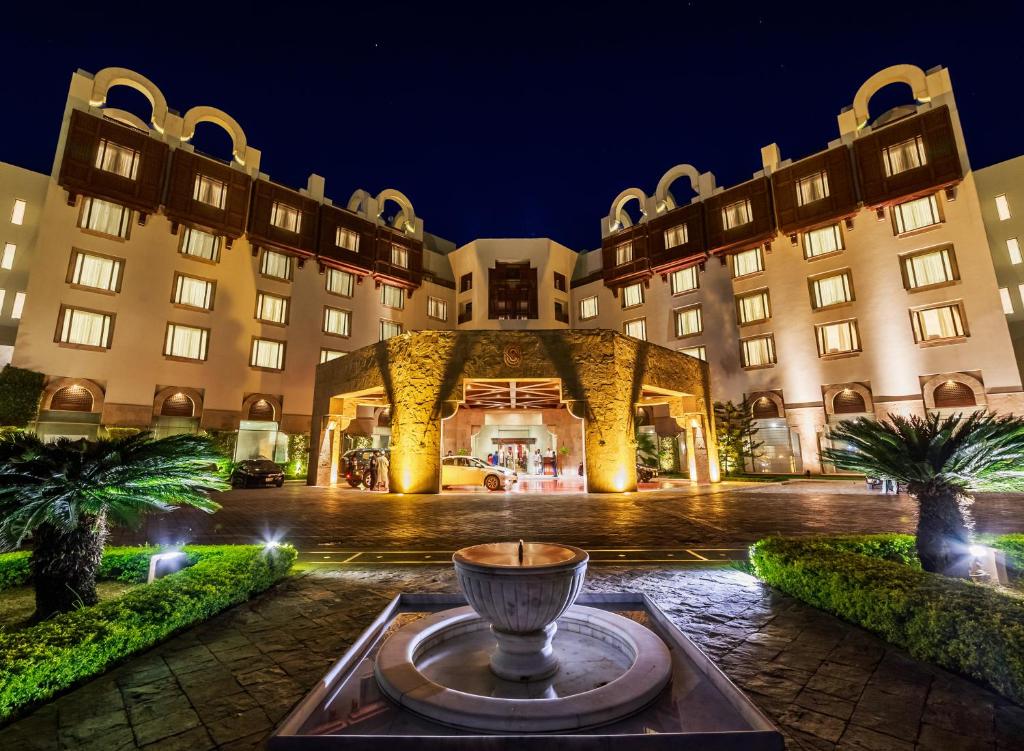
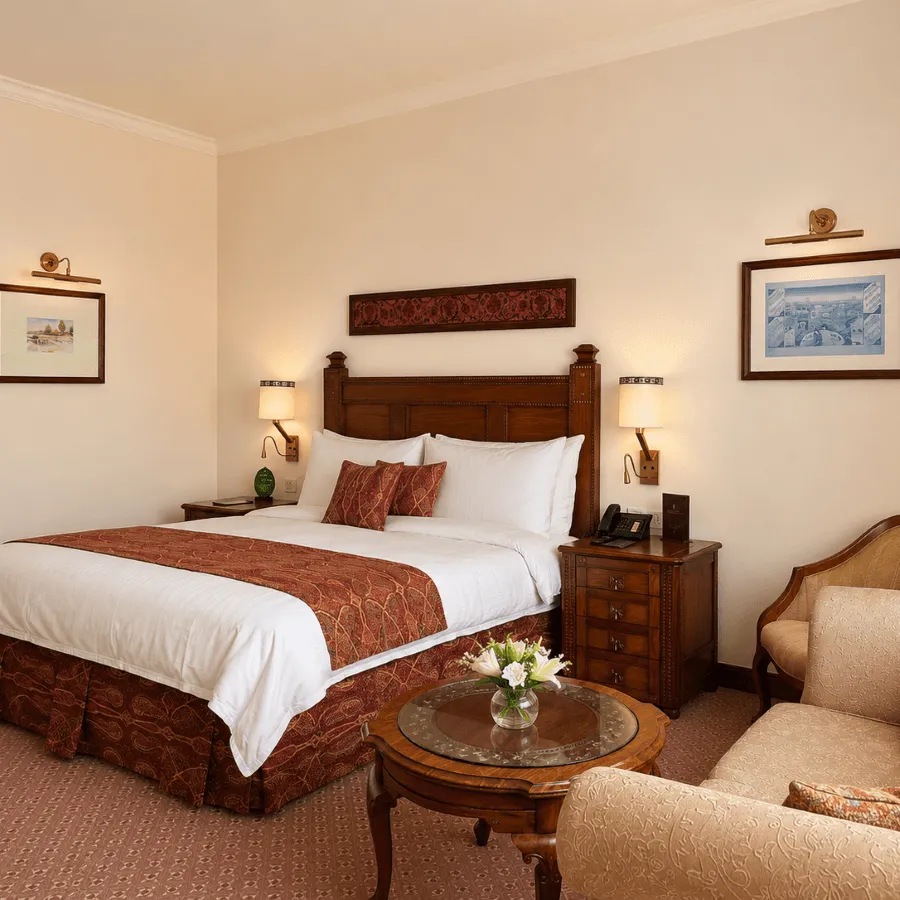
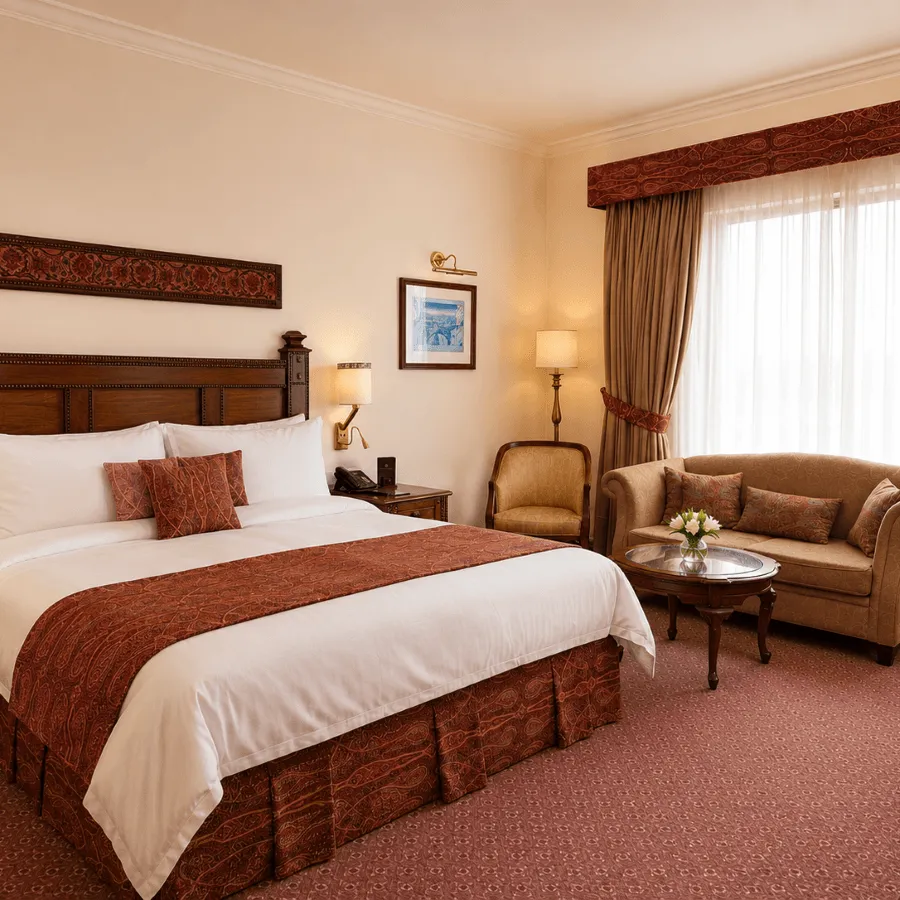
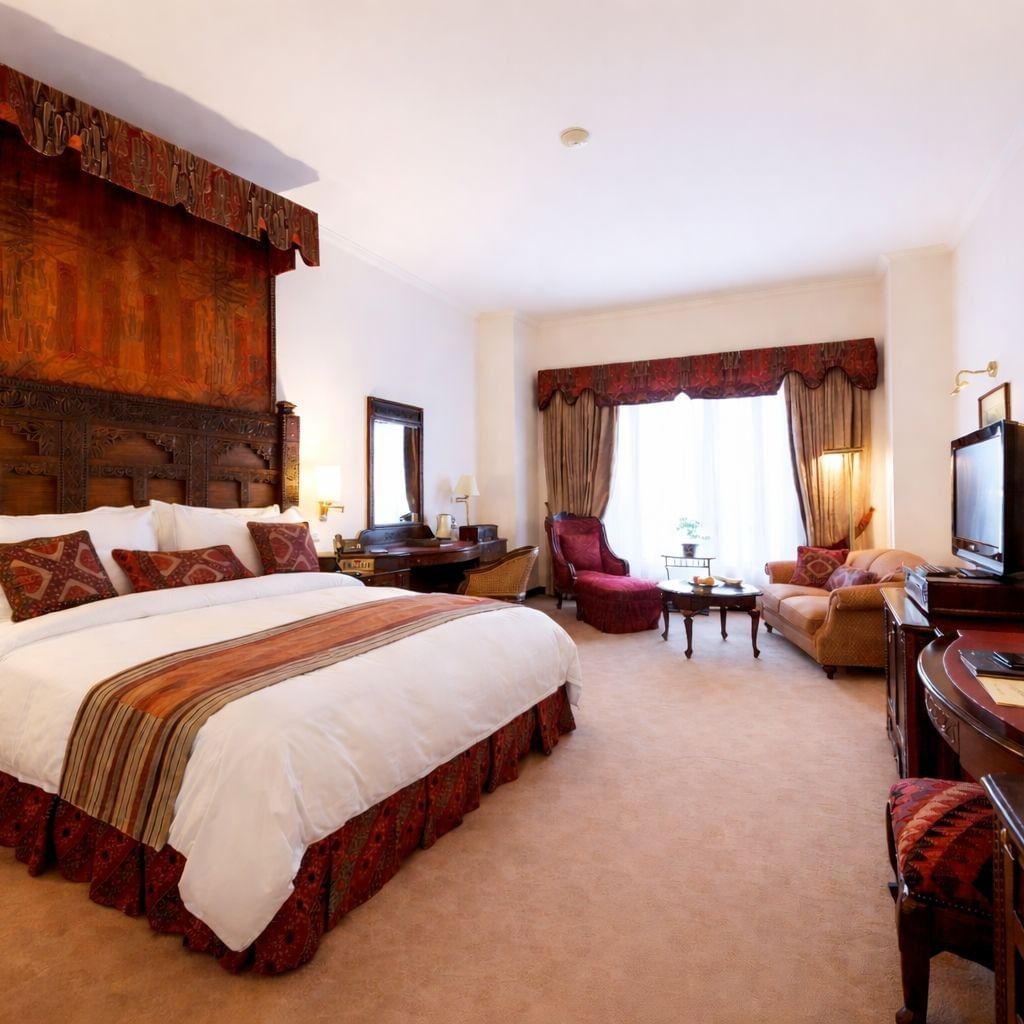
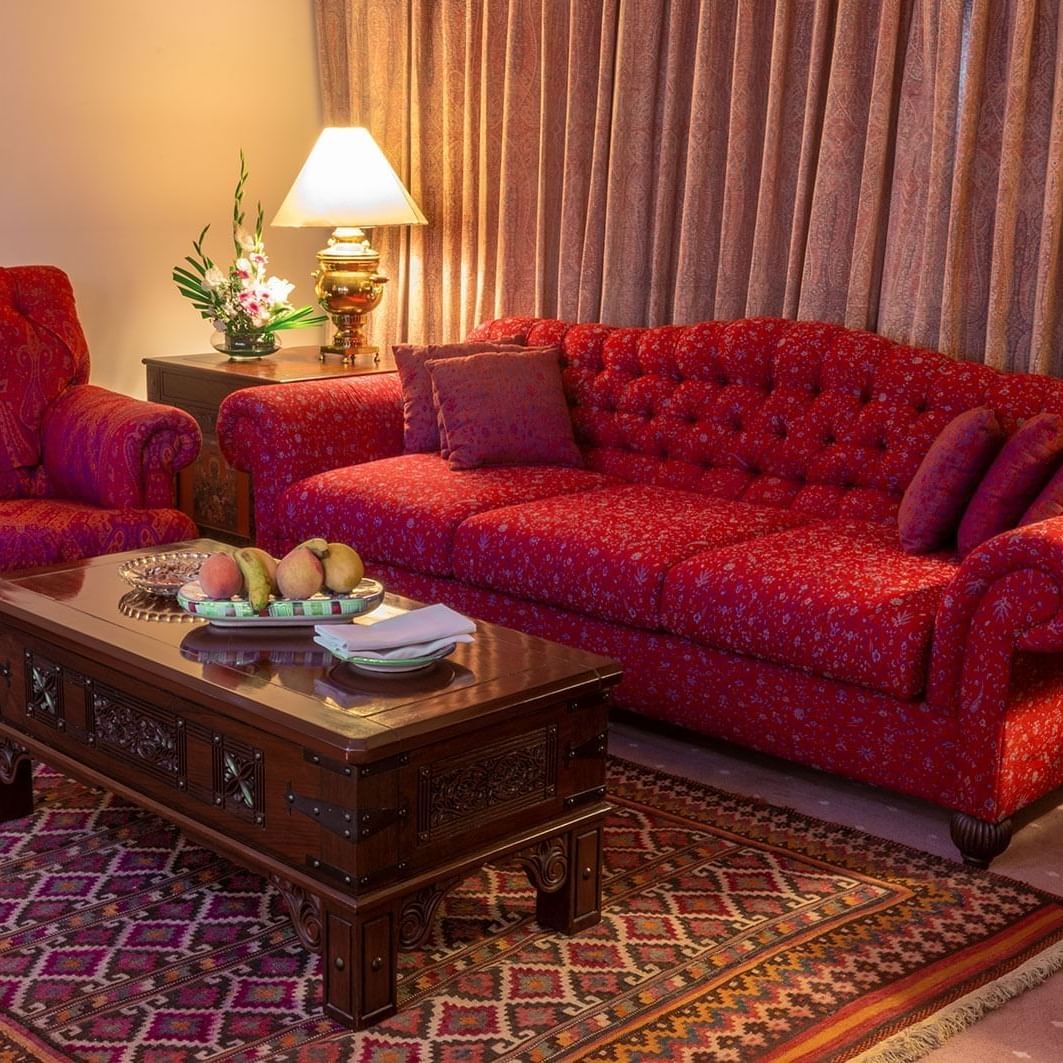
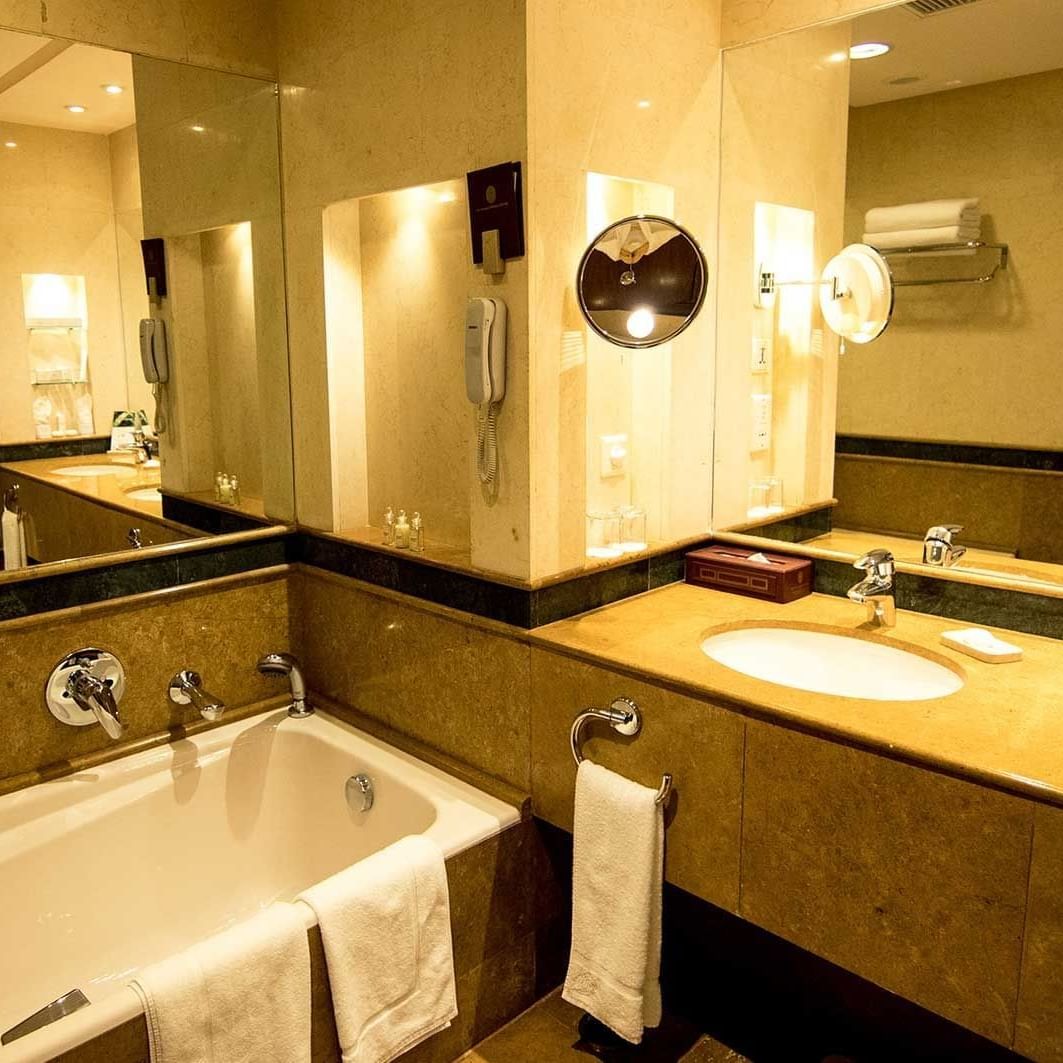
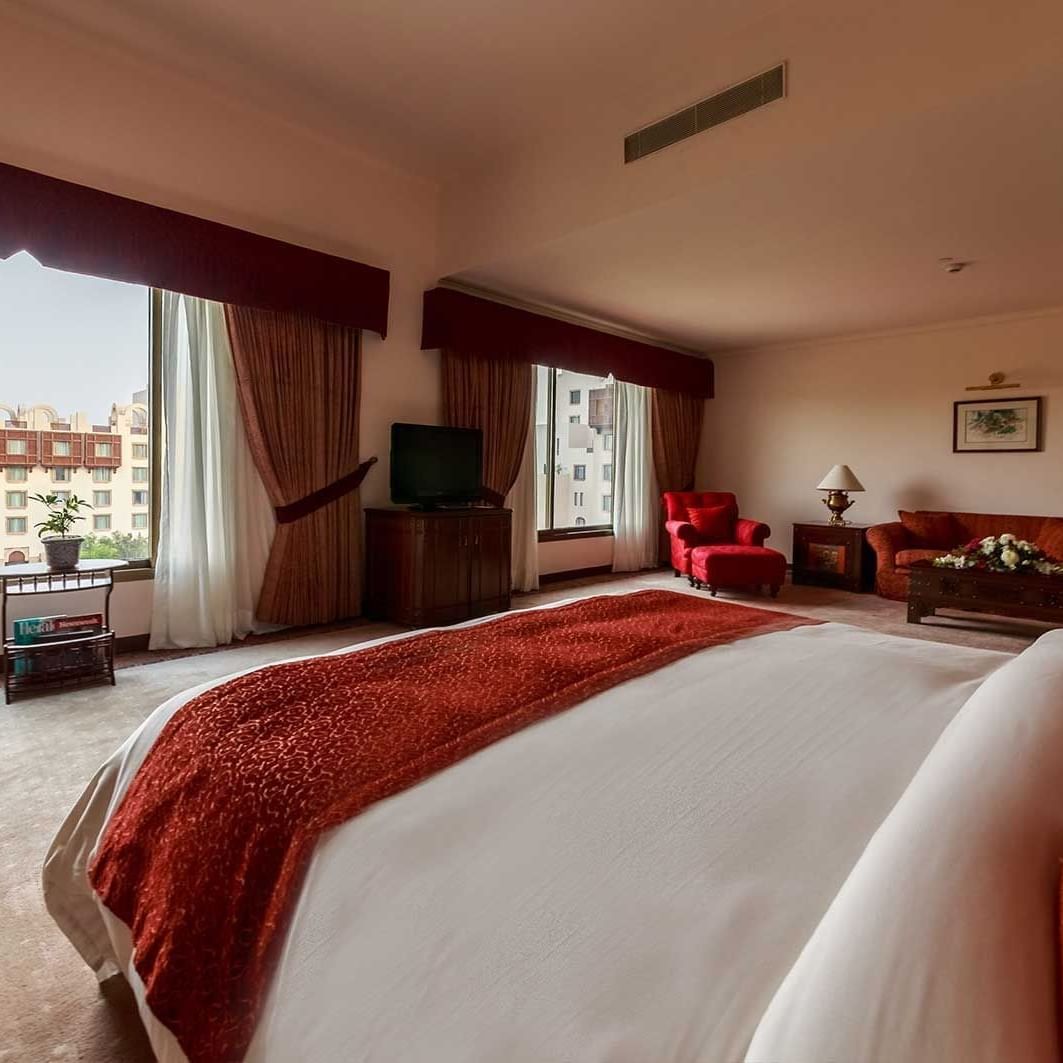
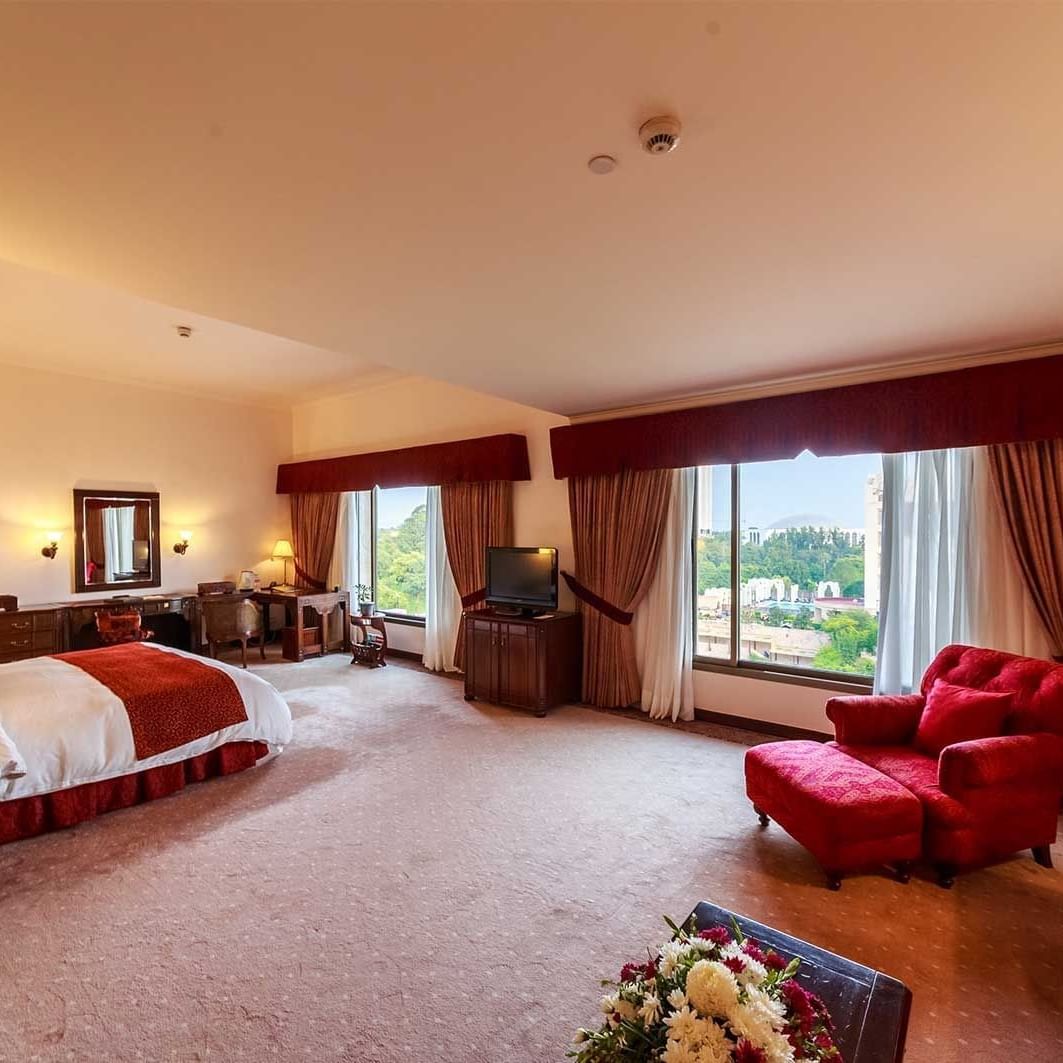
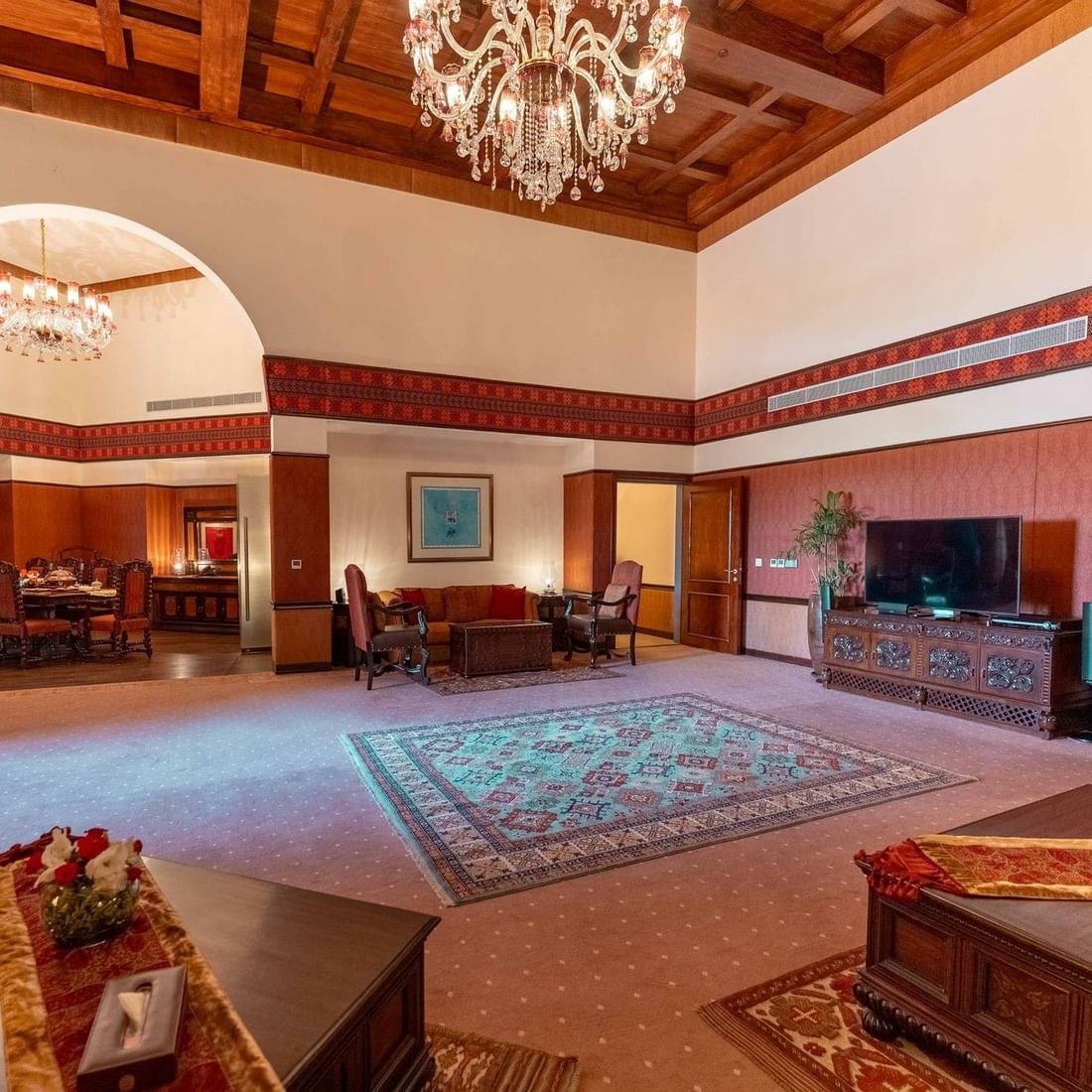
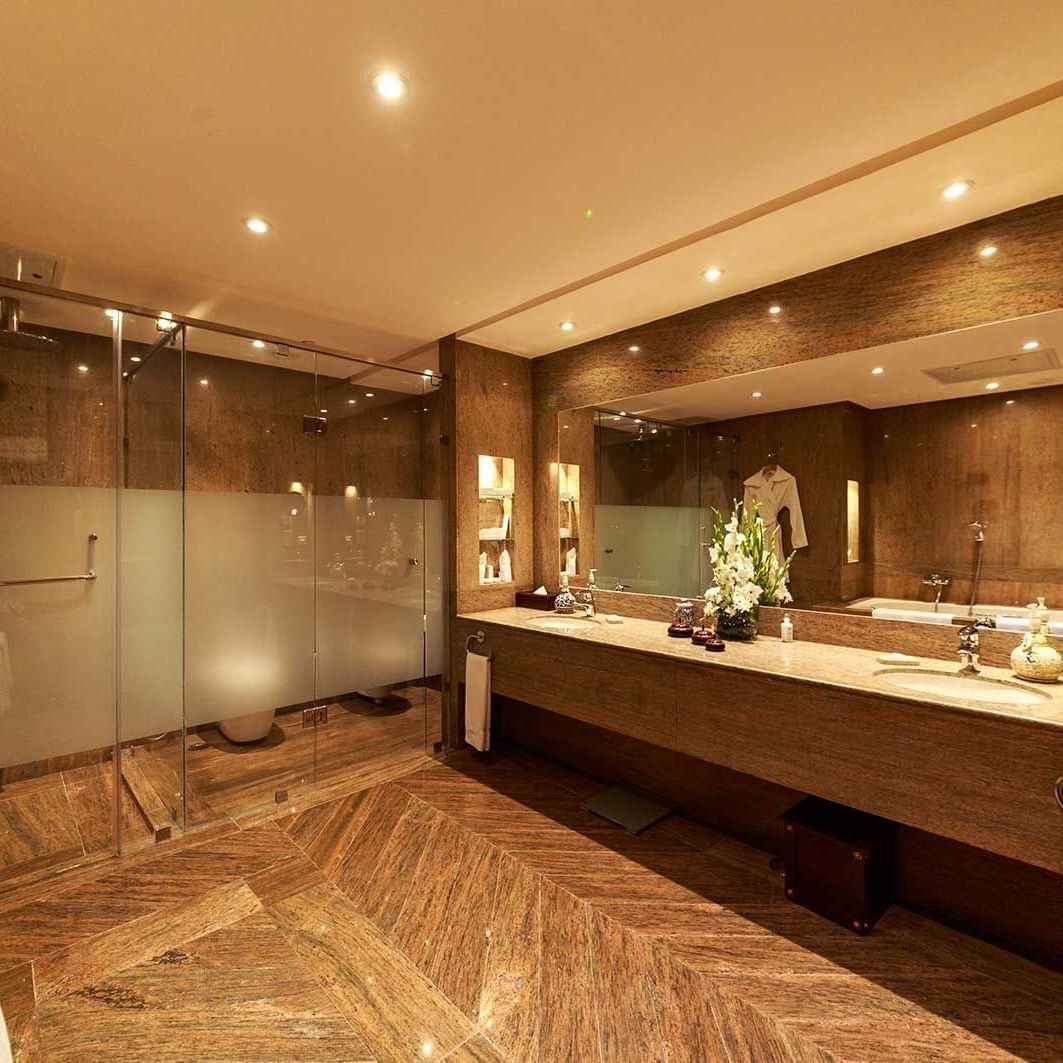
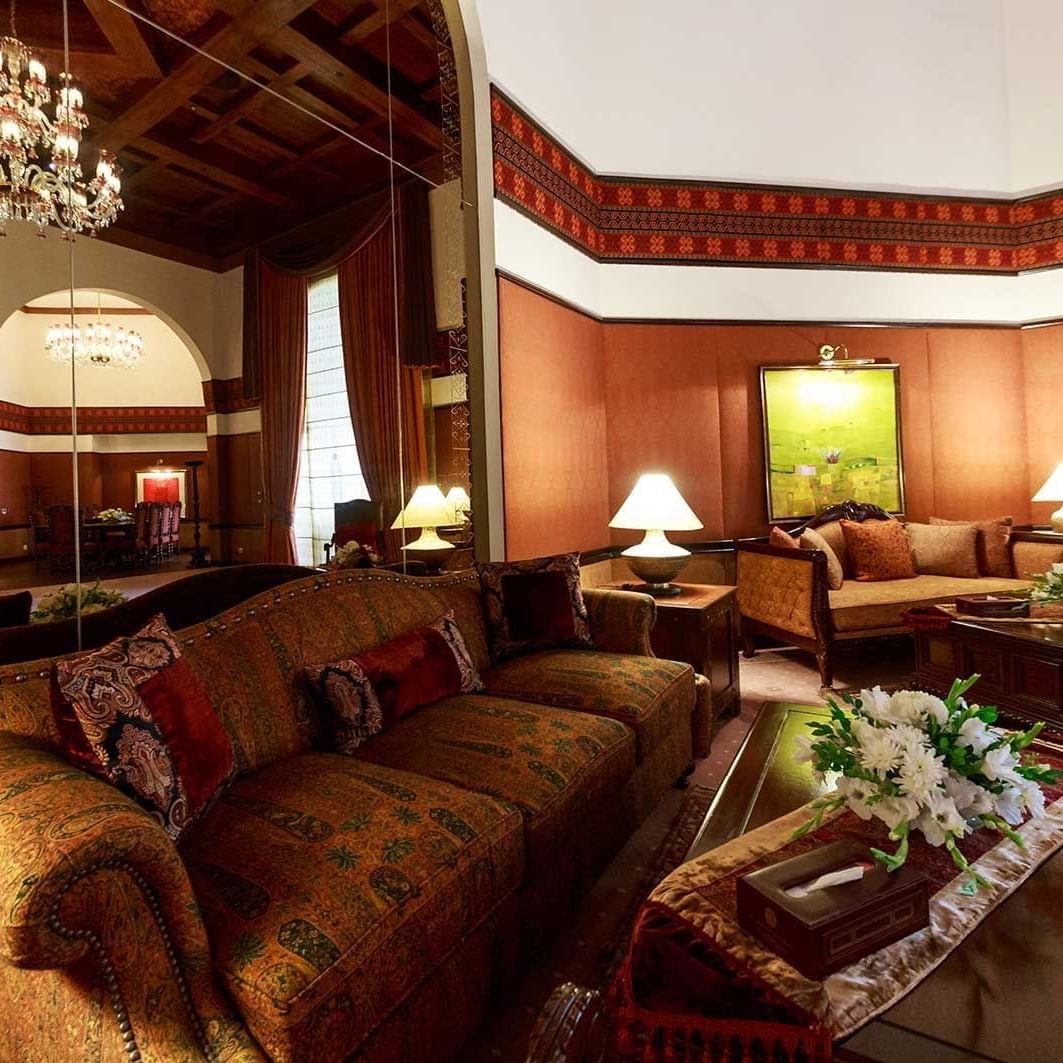
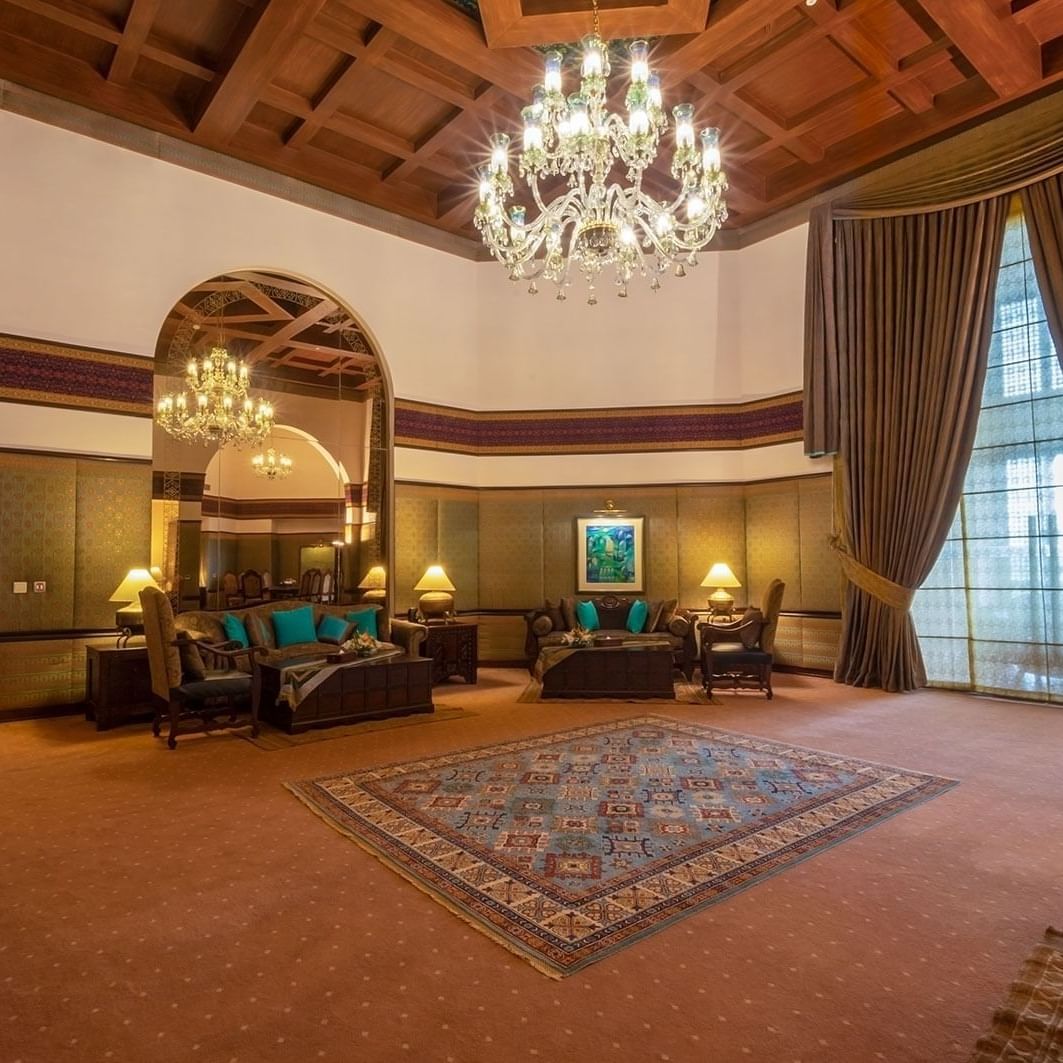
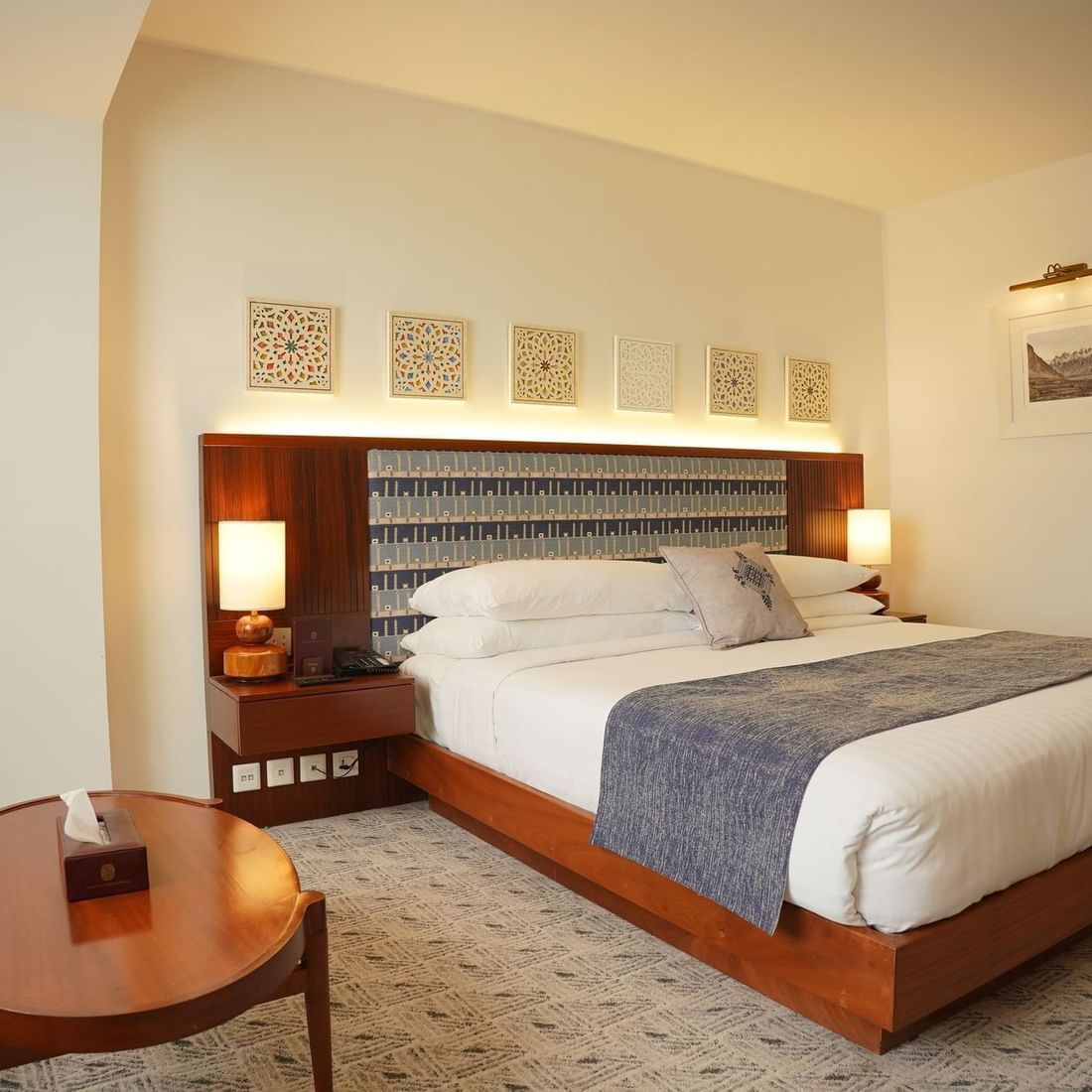
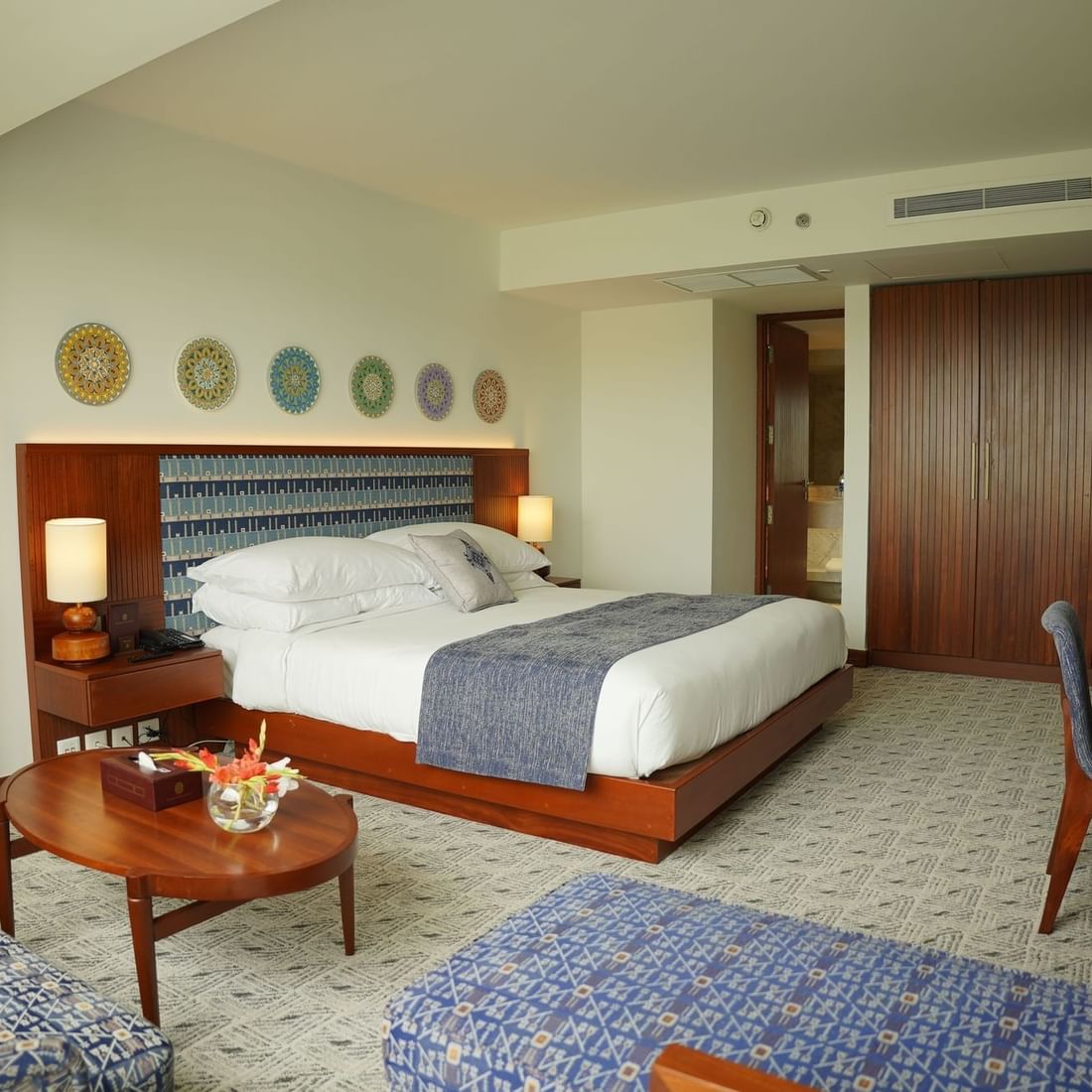
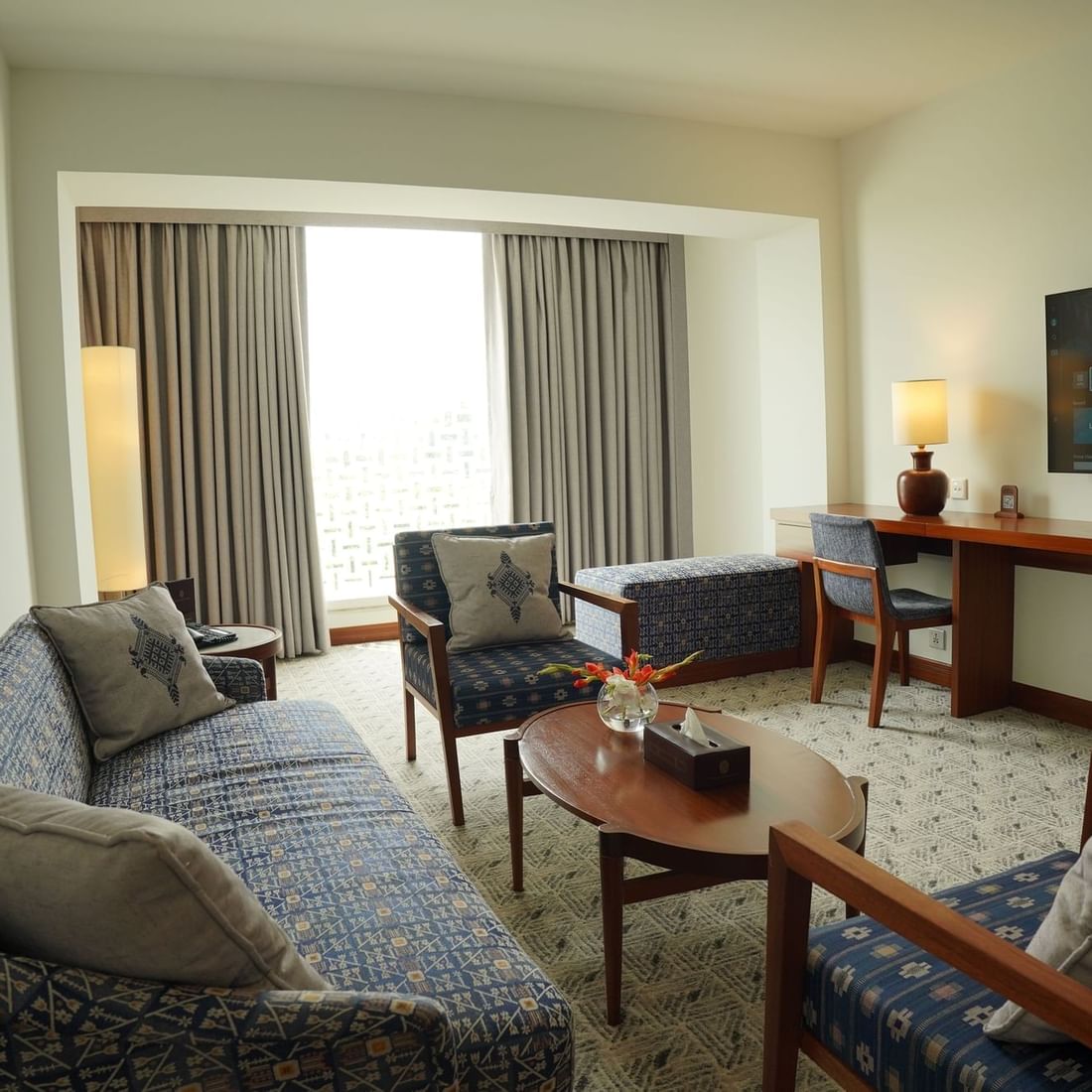
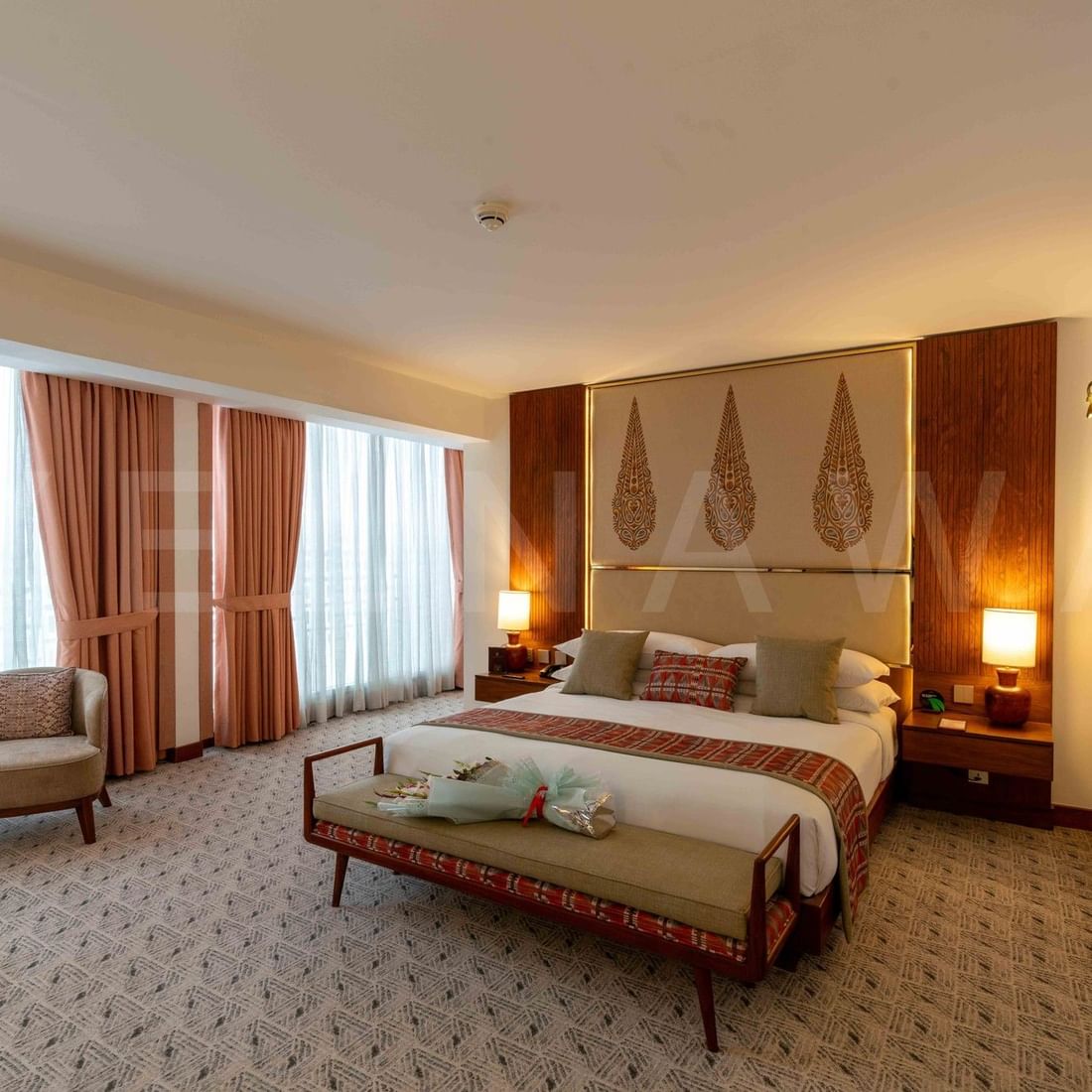
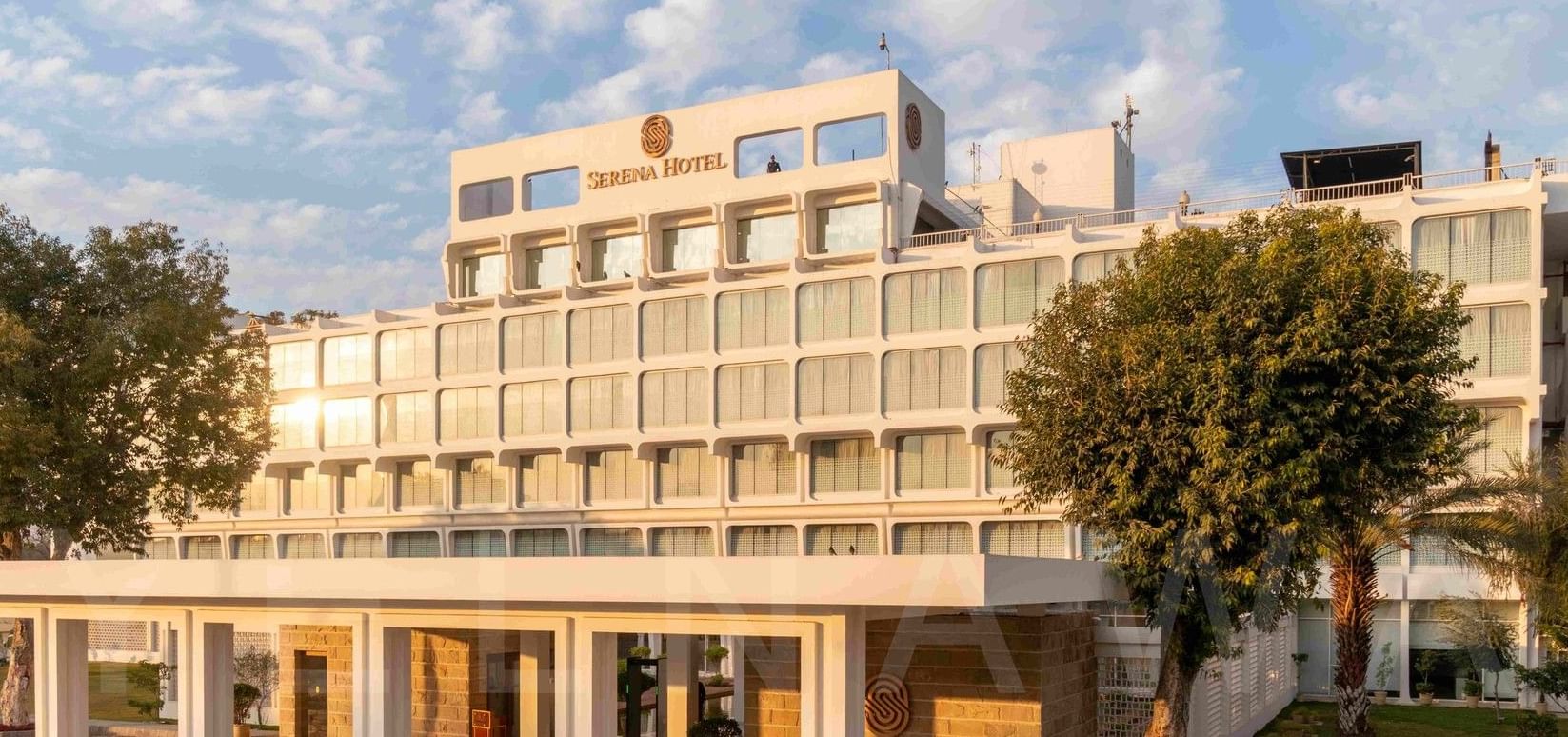
Islamabad Serena Hotel
G-5-1, Islamabad
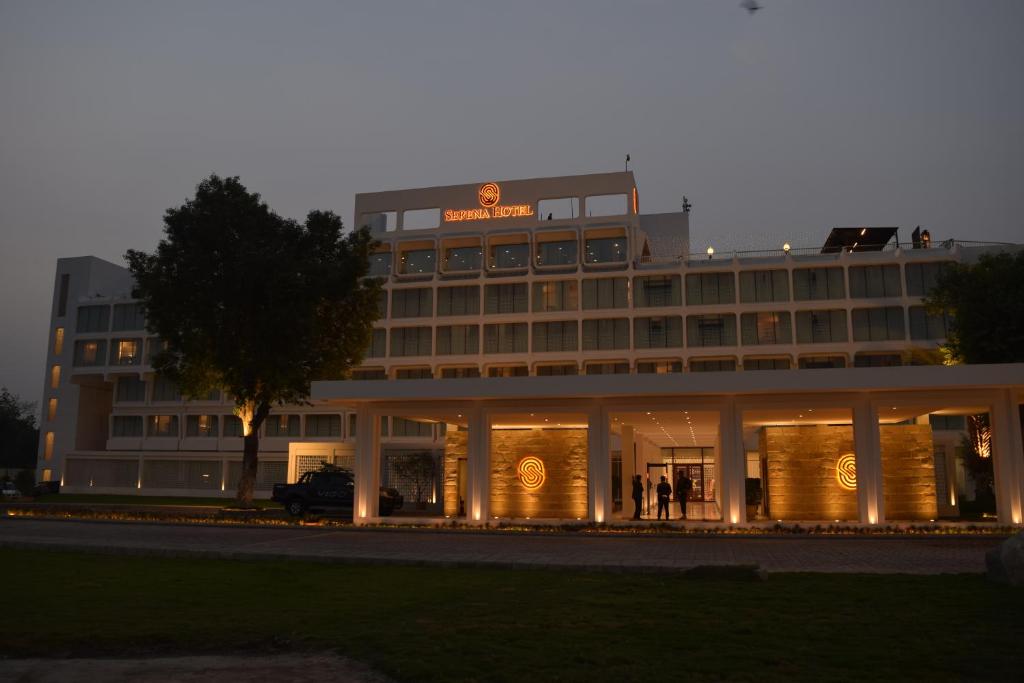
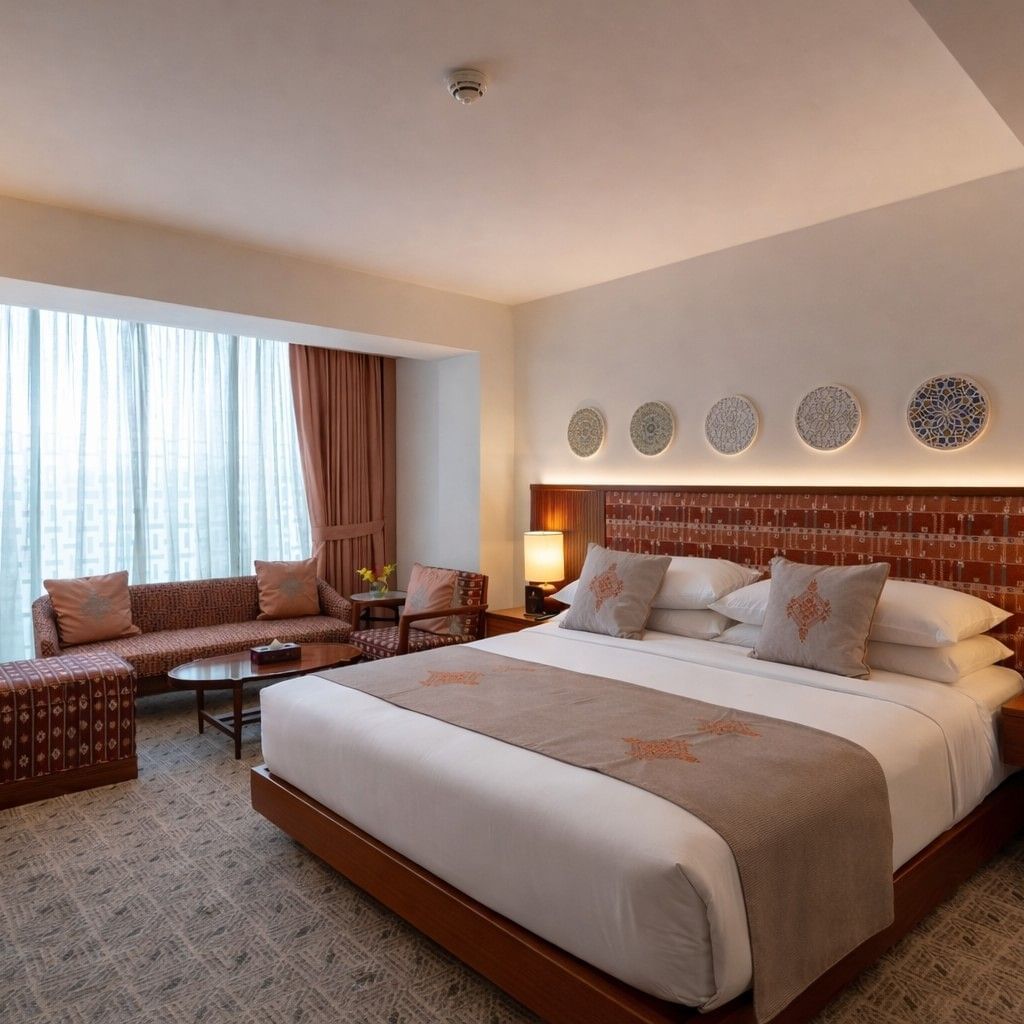
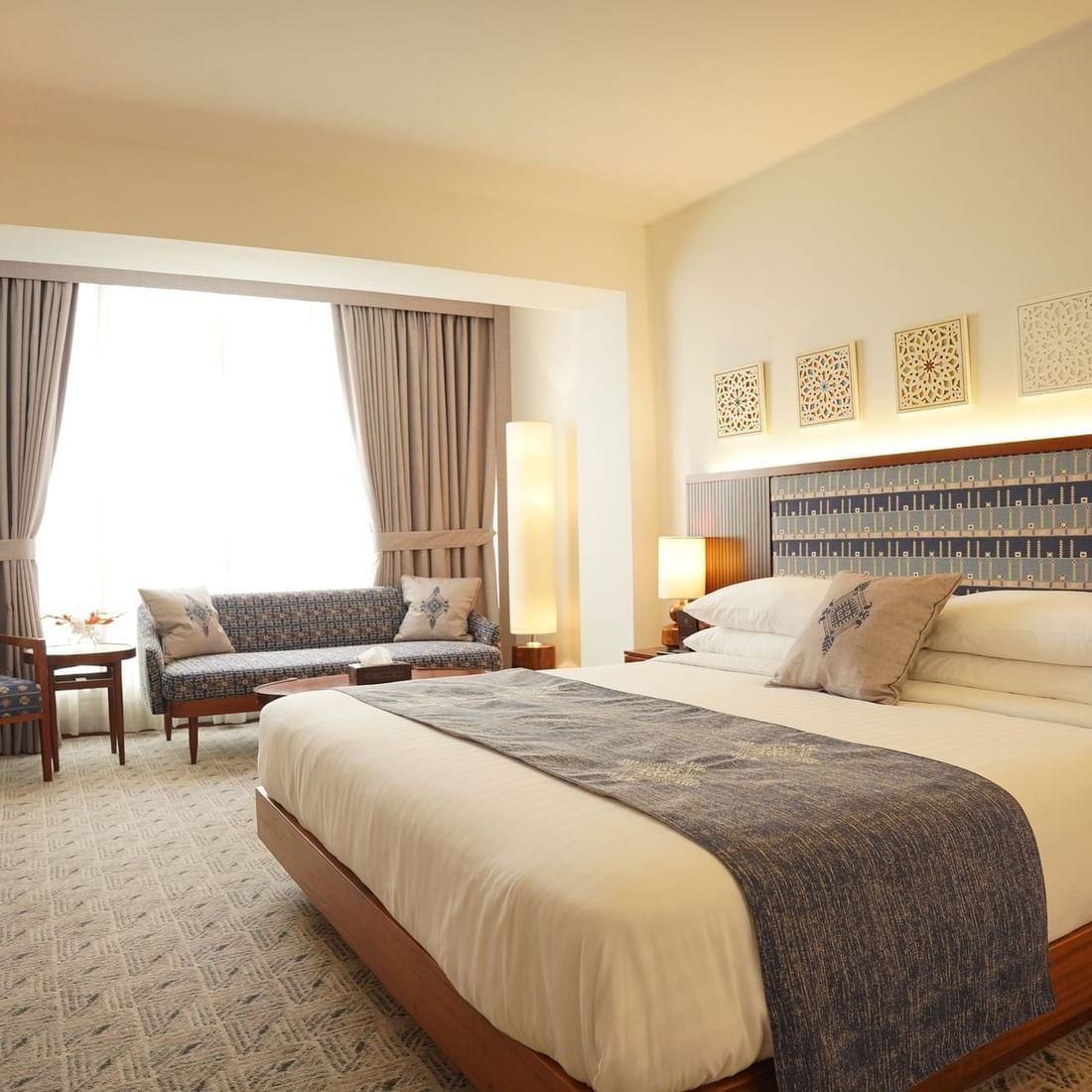
Peshawar Serena Hotel
Peshawar, Khyber Pakhtunkhwa
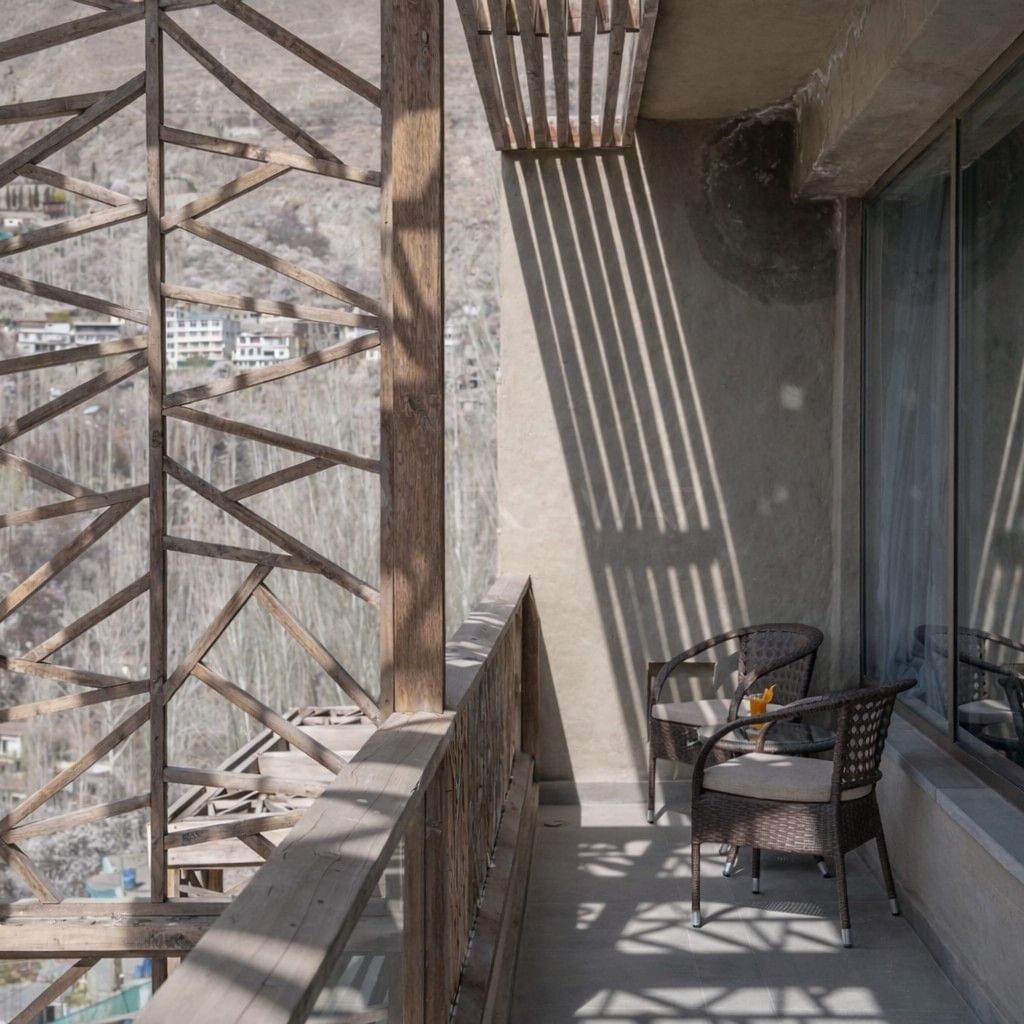
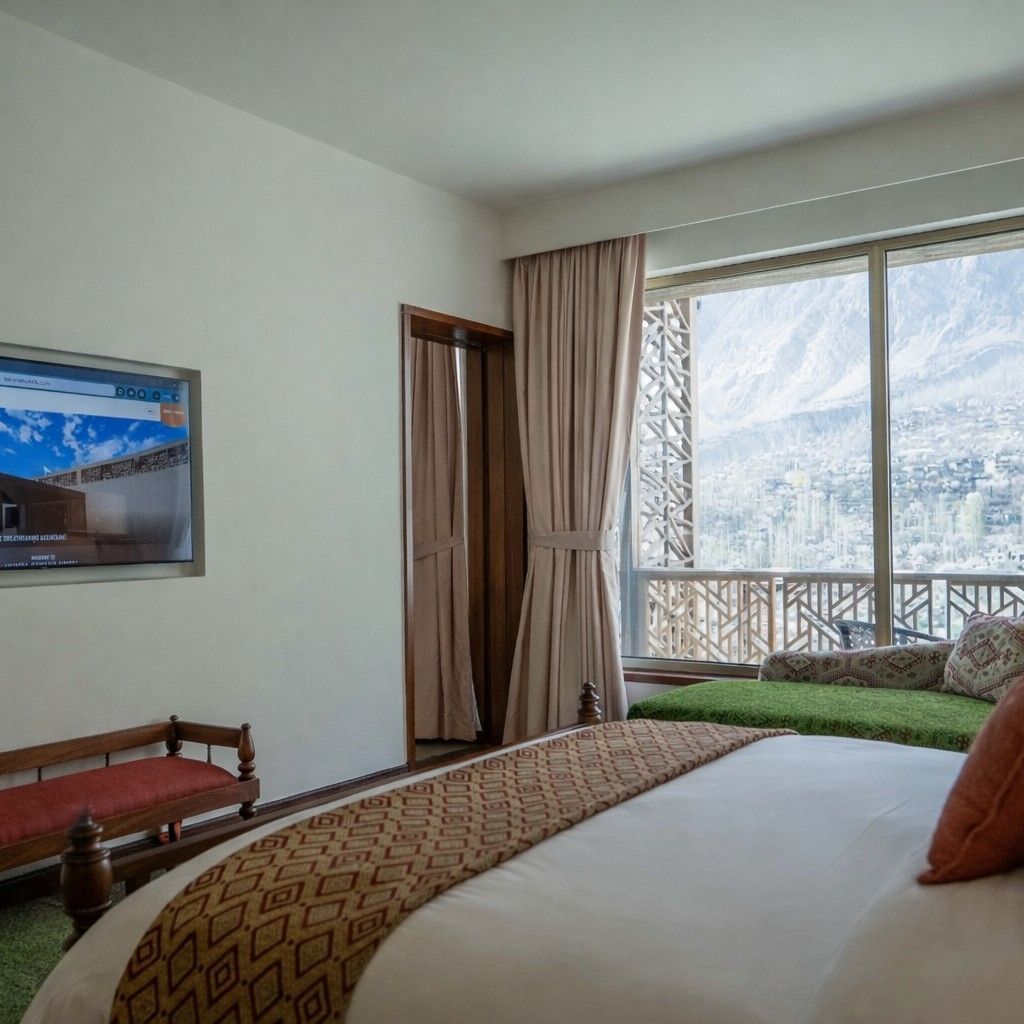
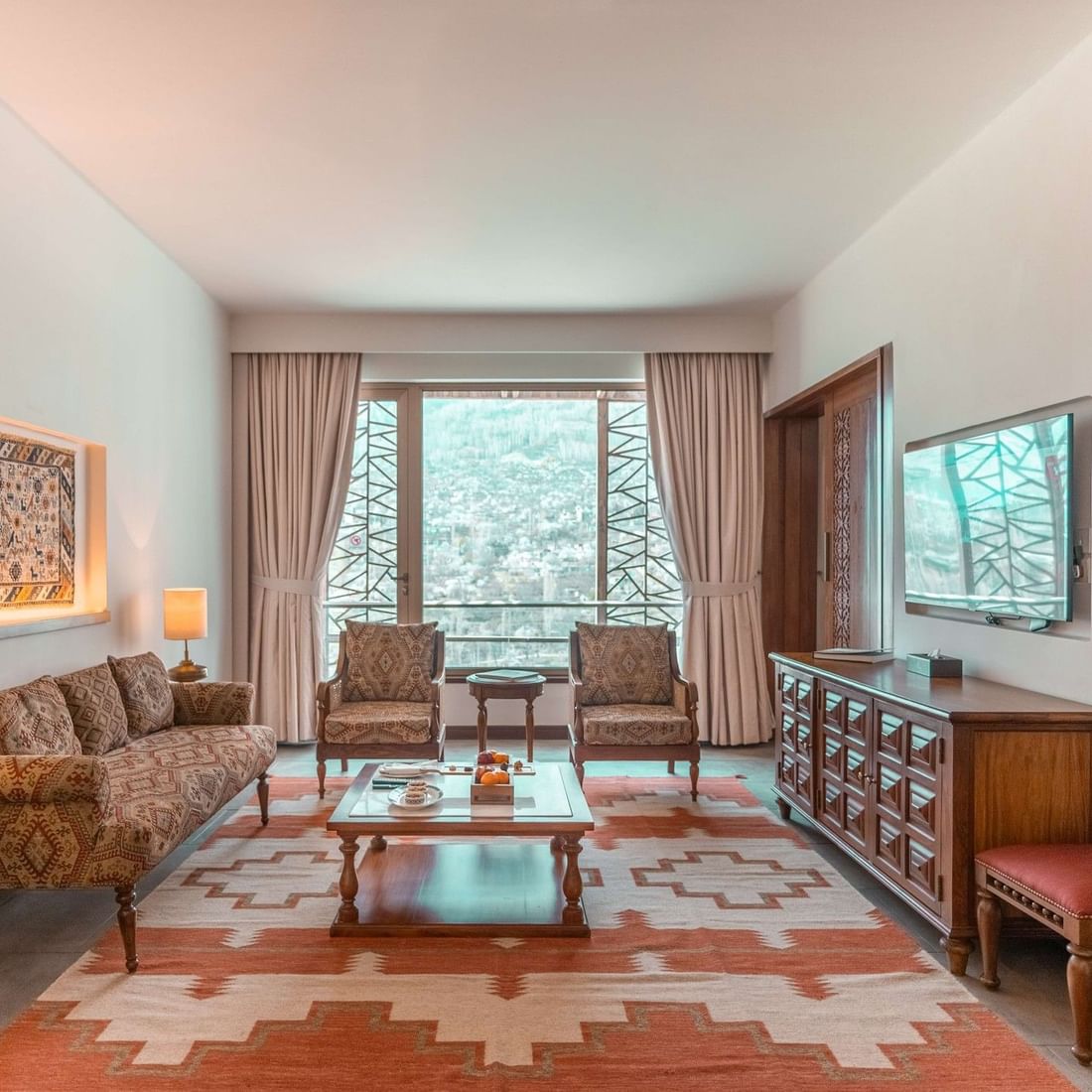
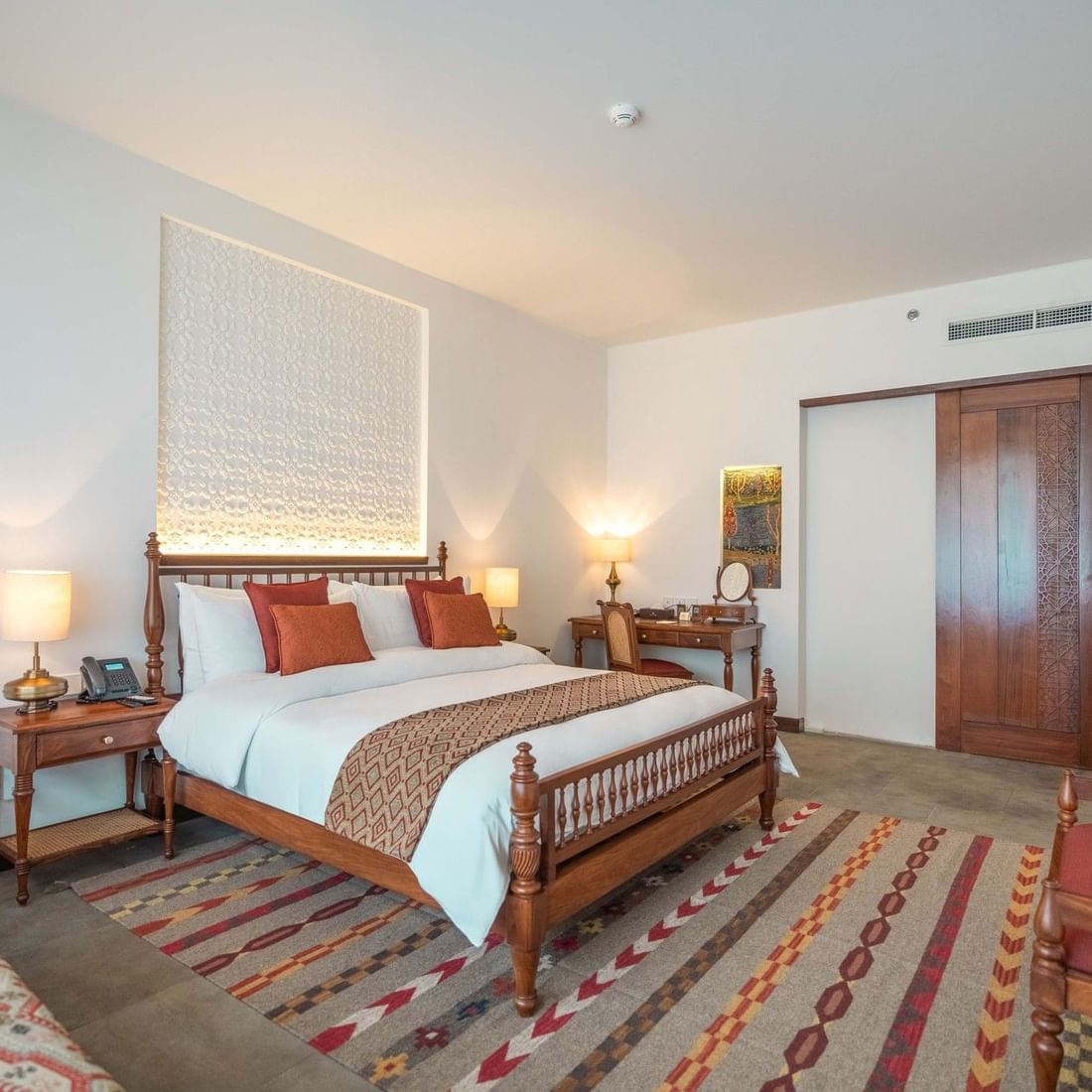
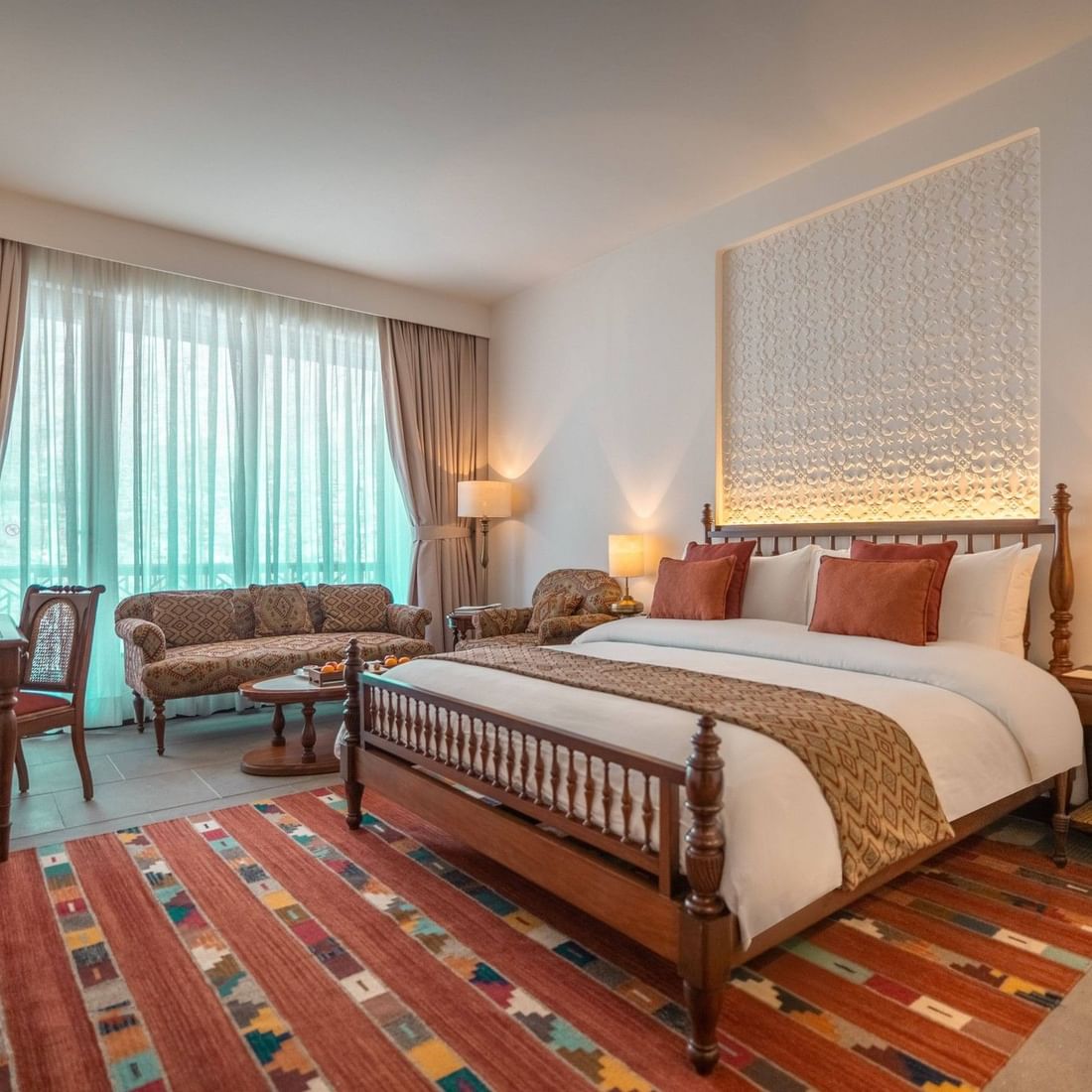
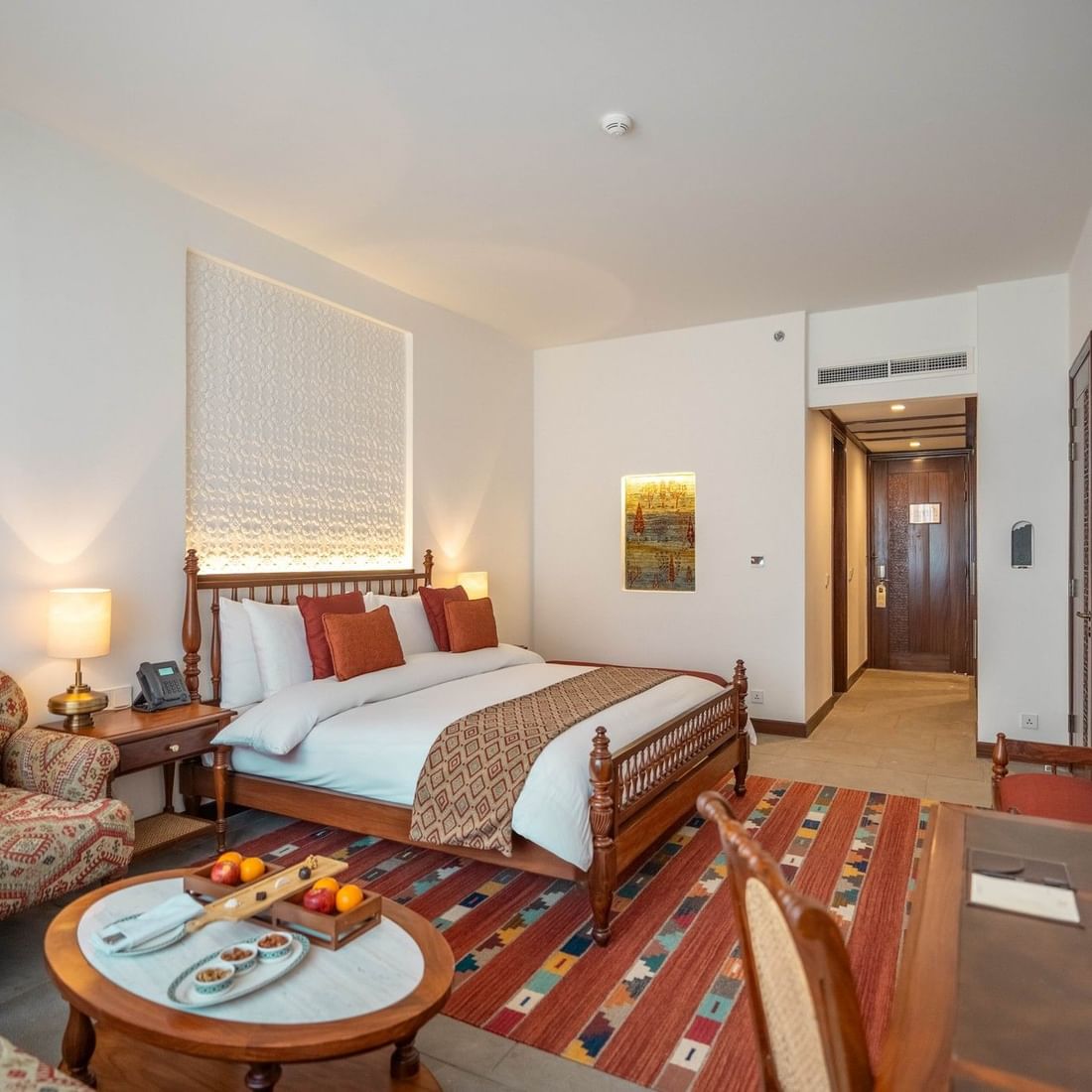
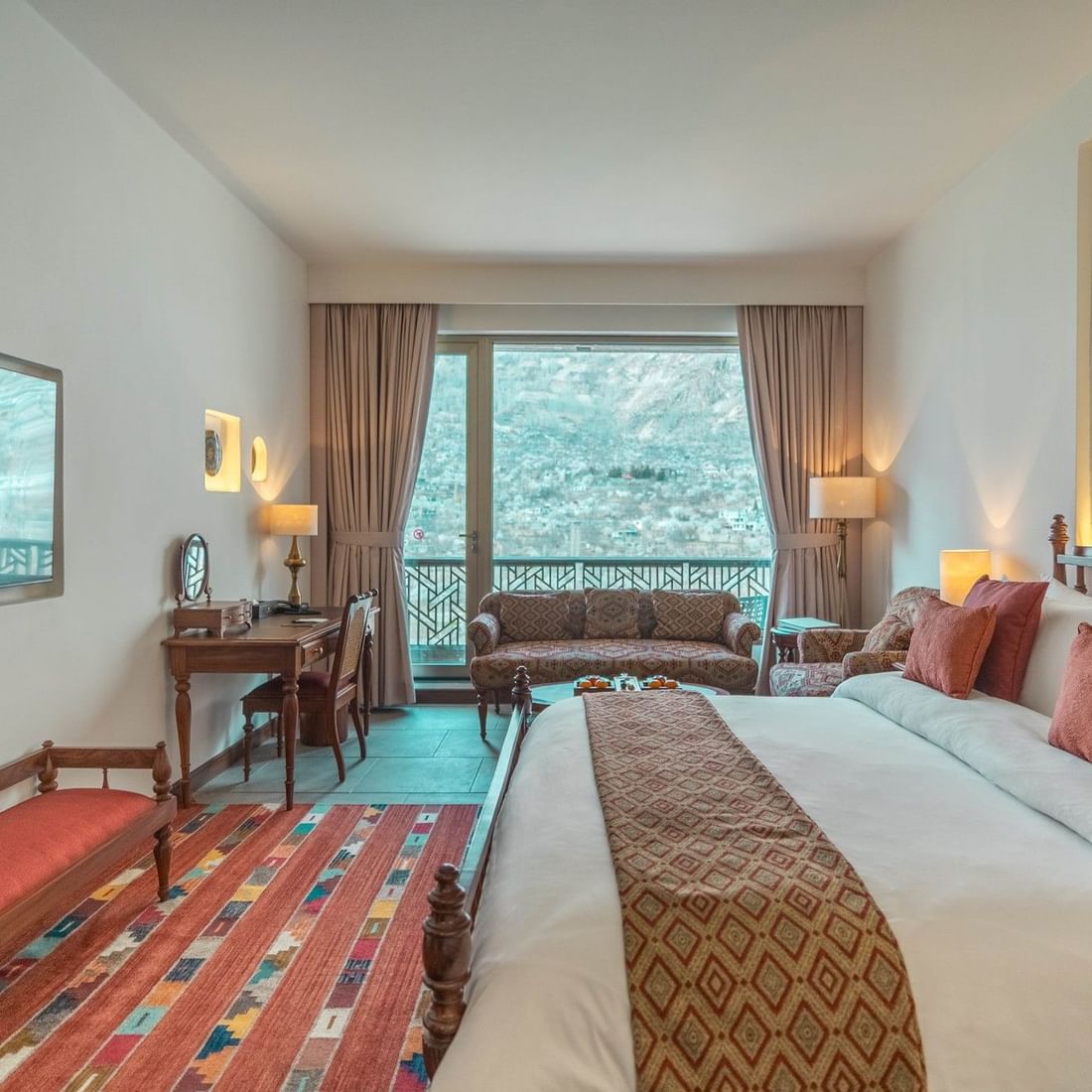
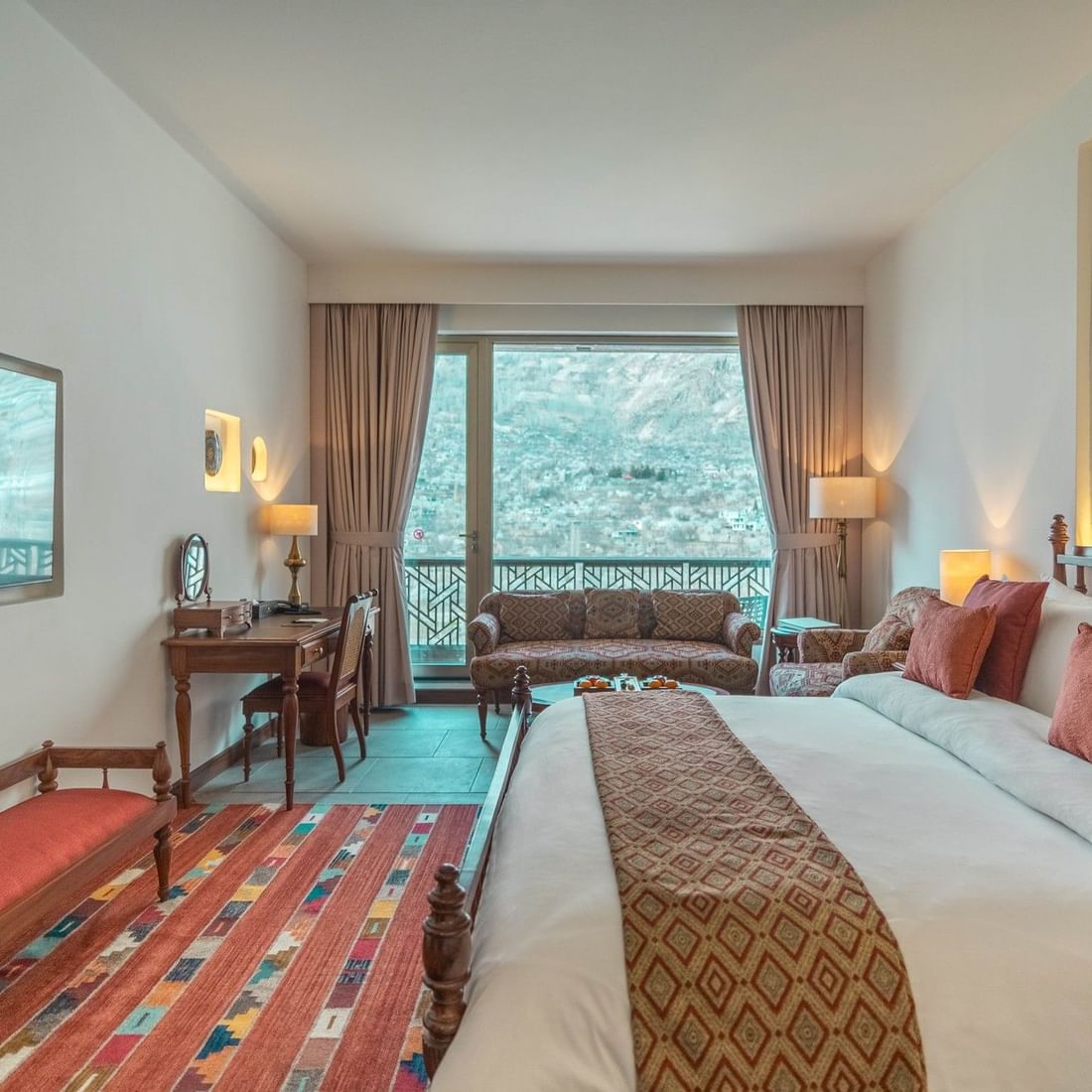
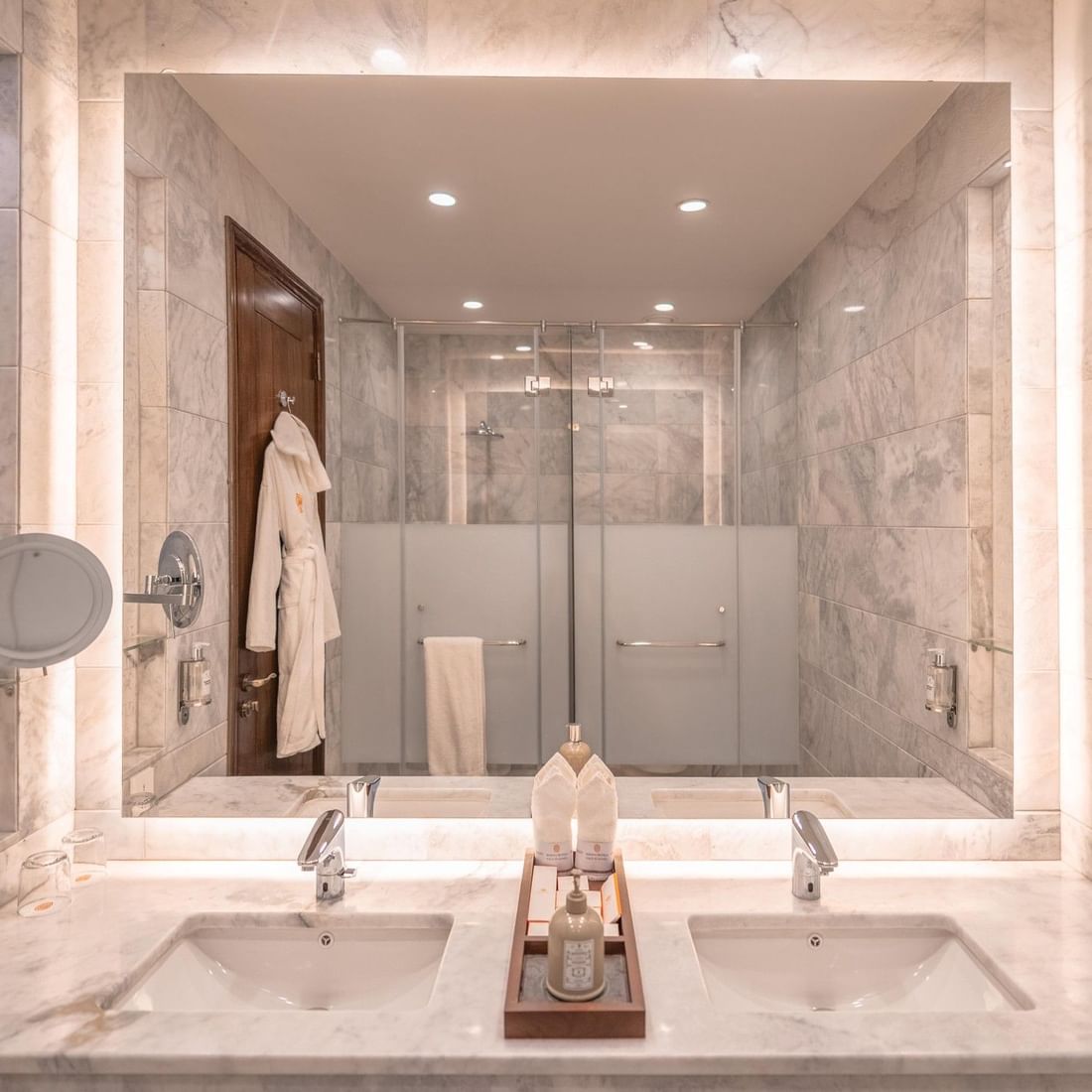
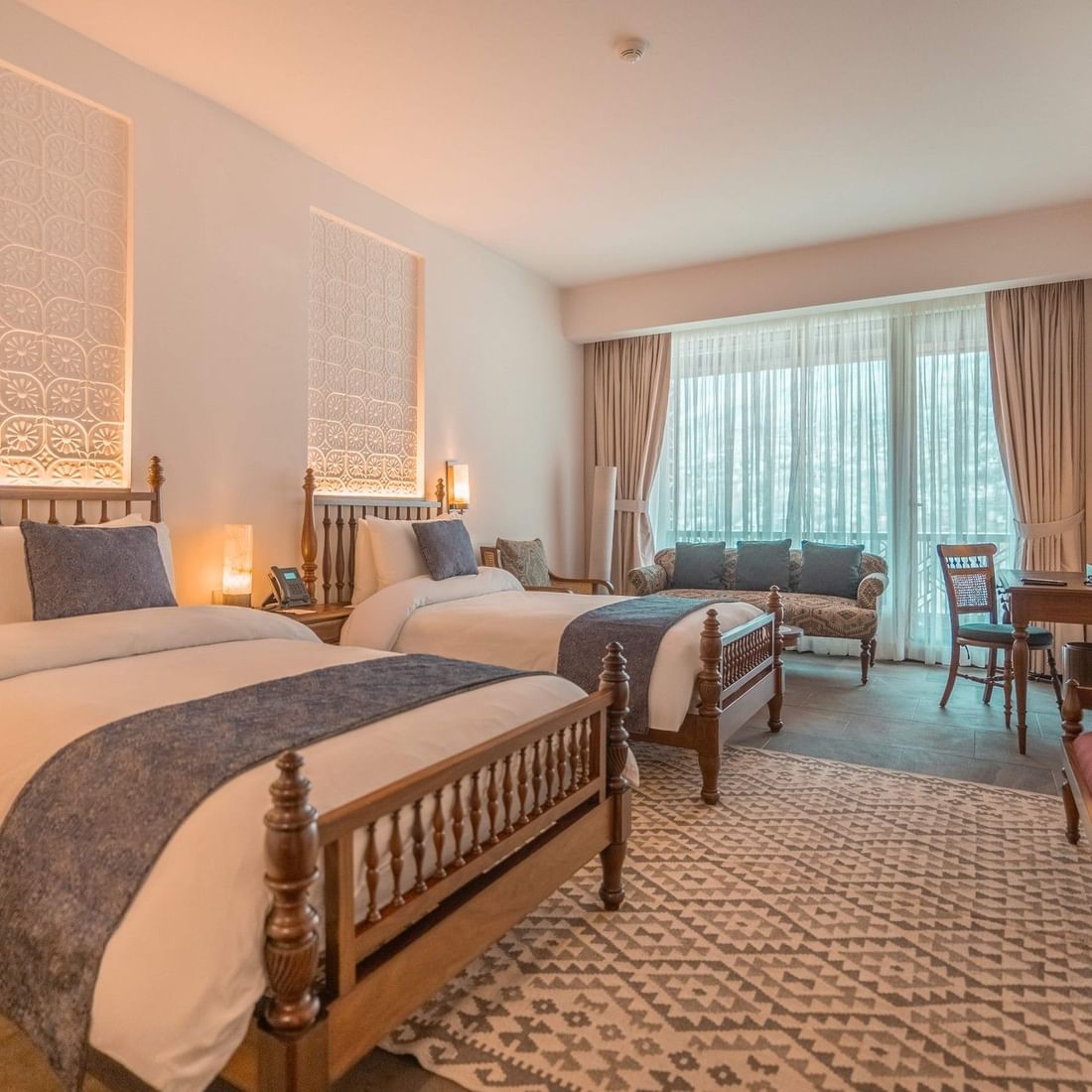
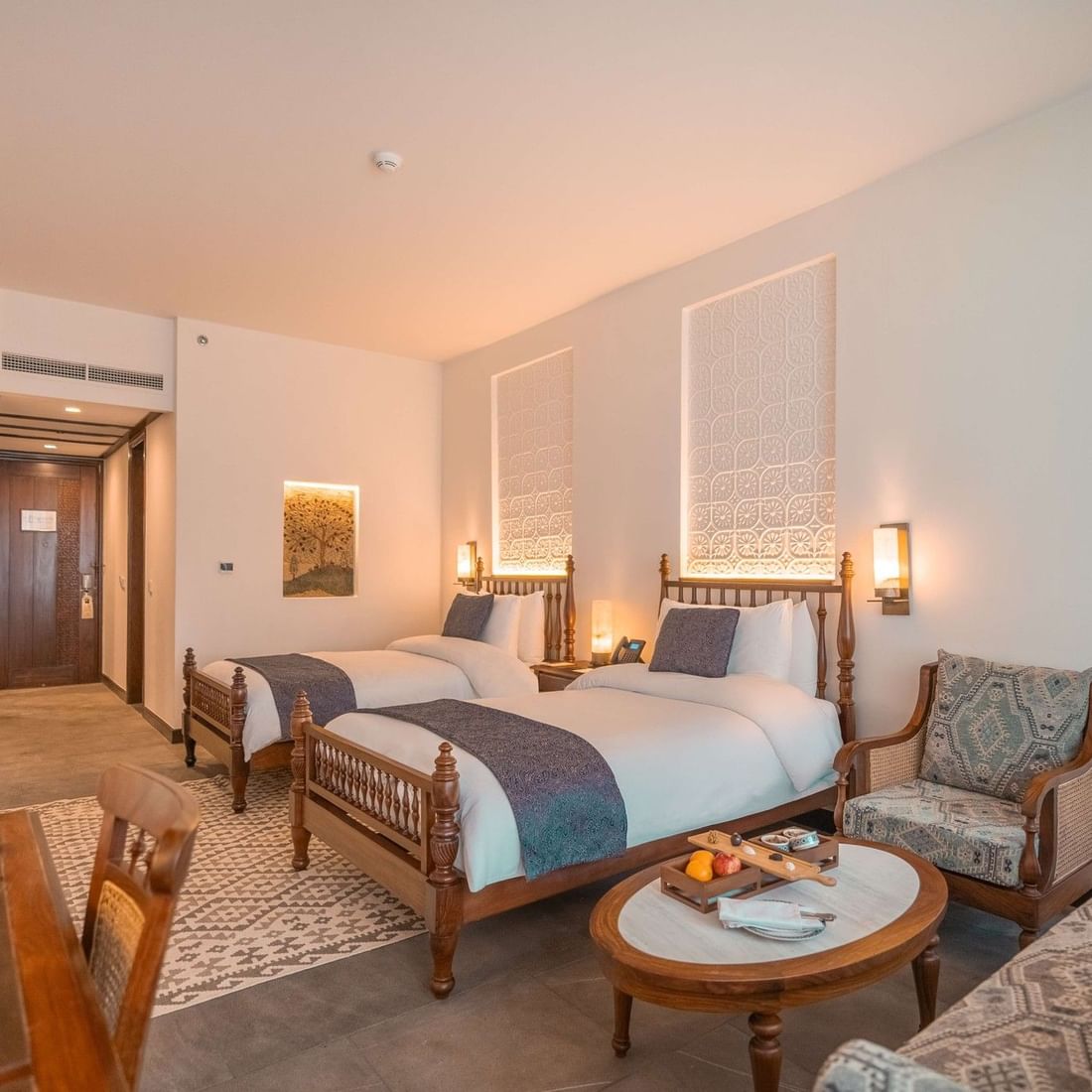
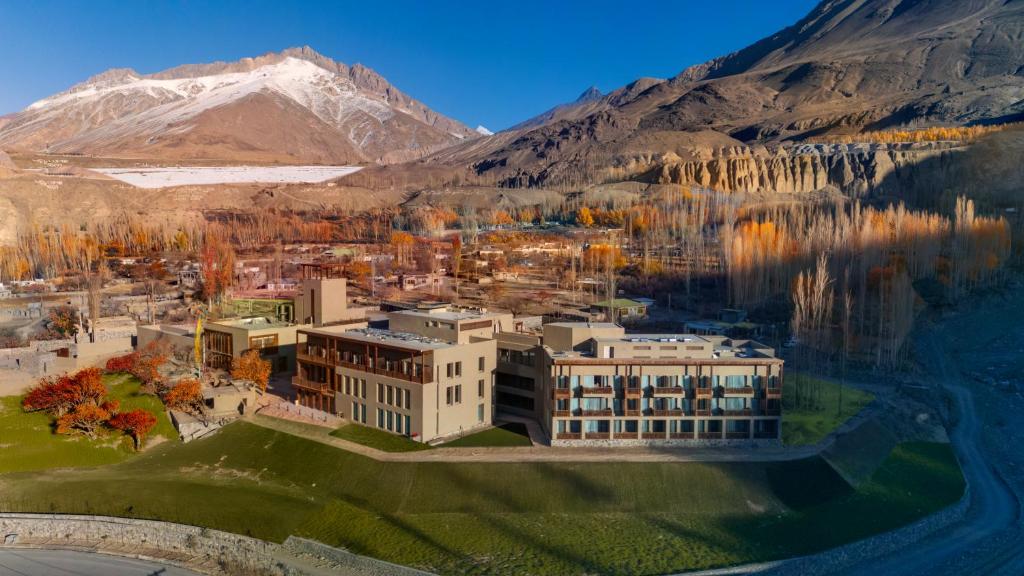
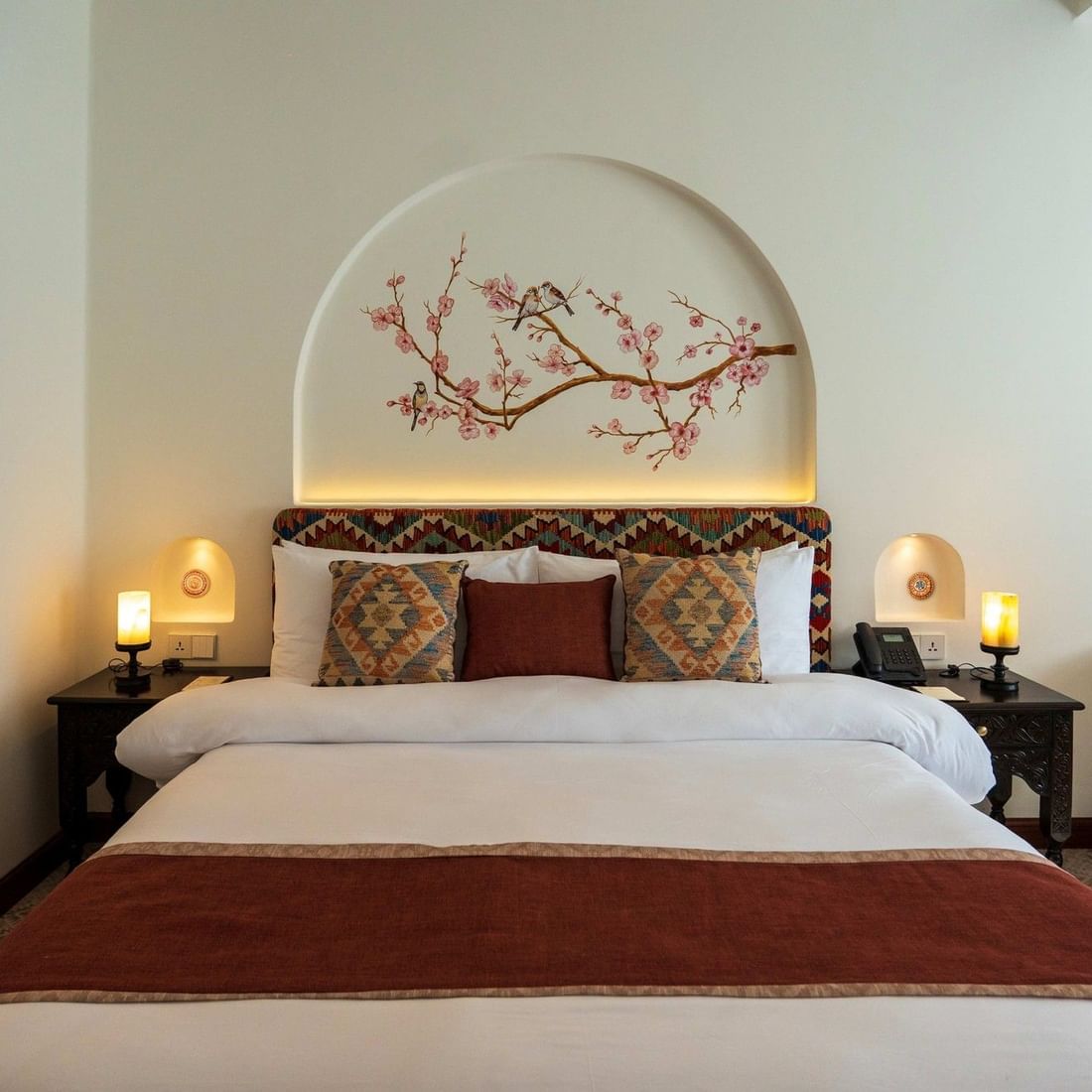
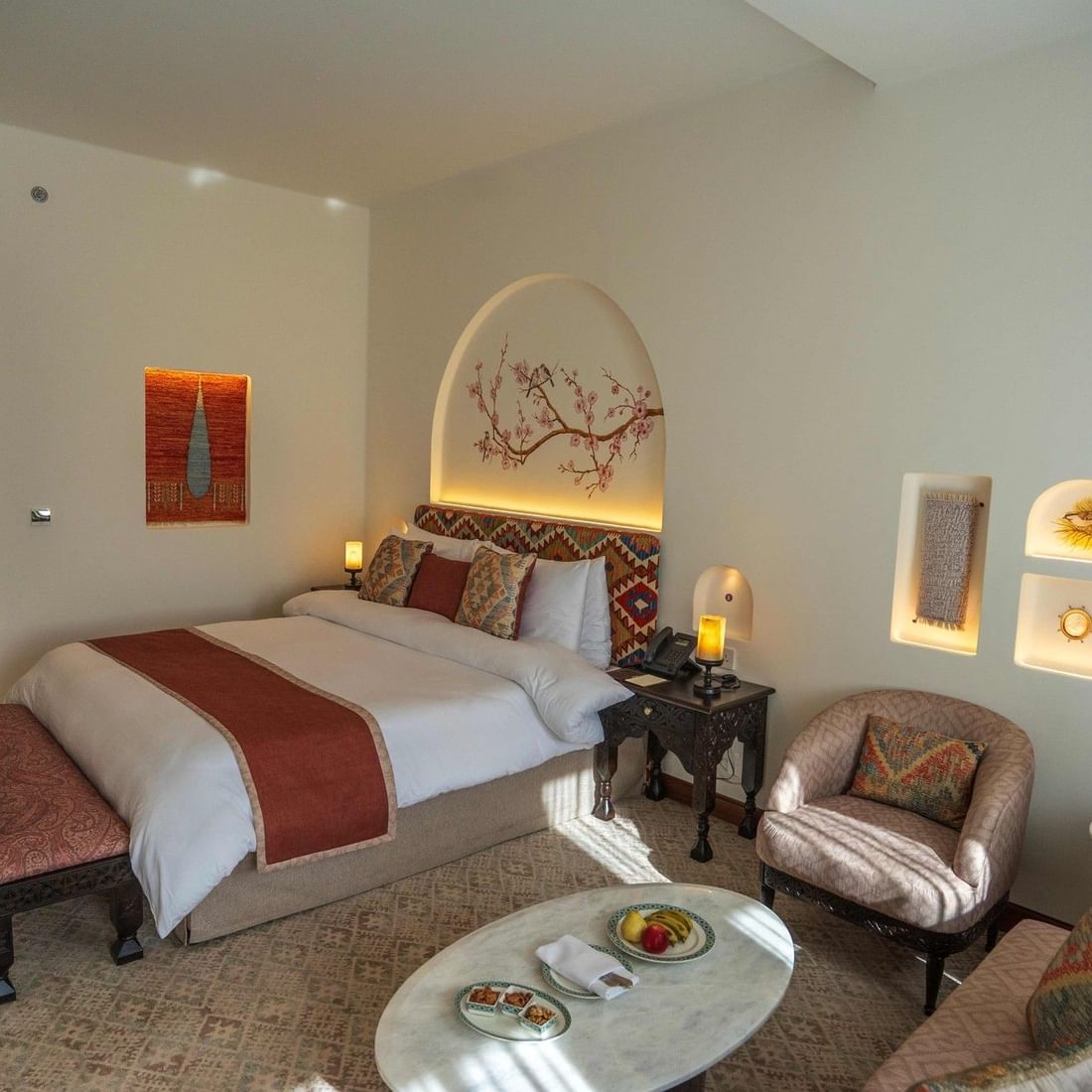
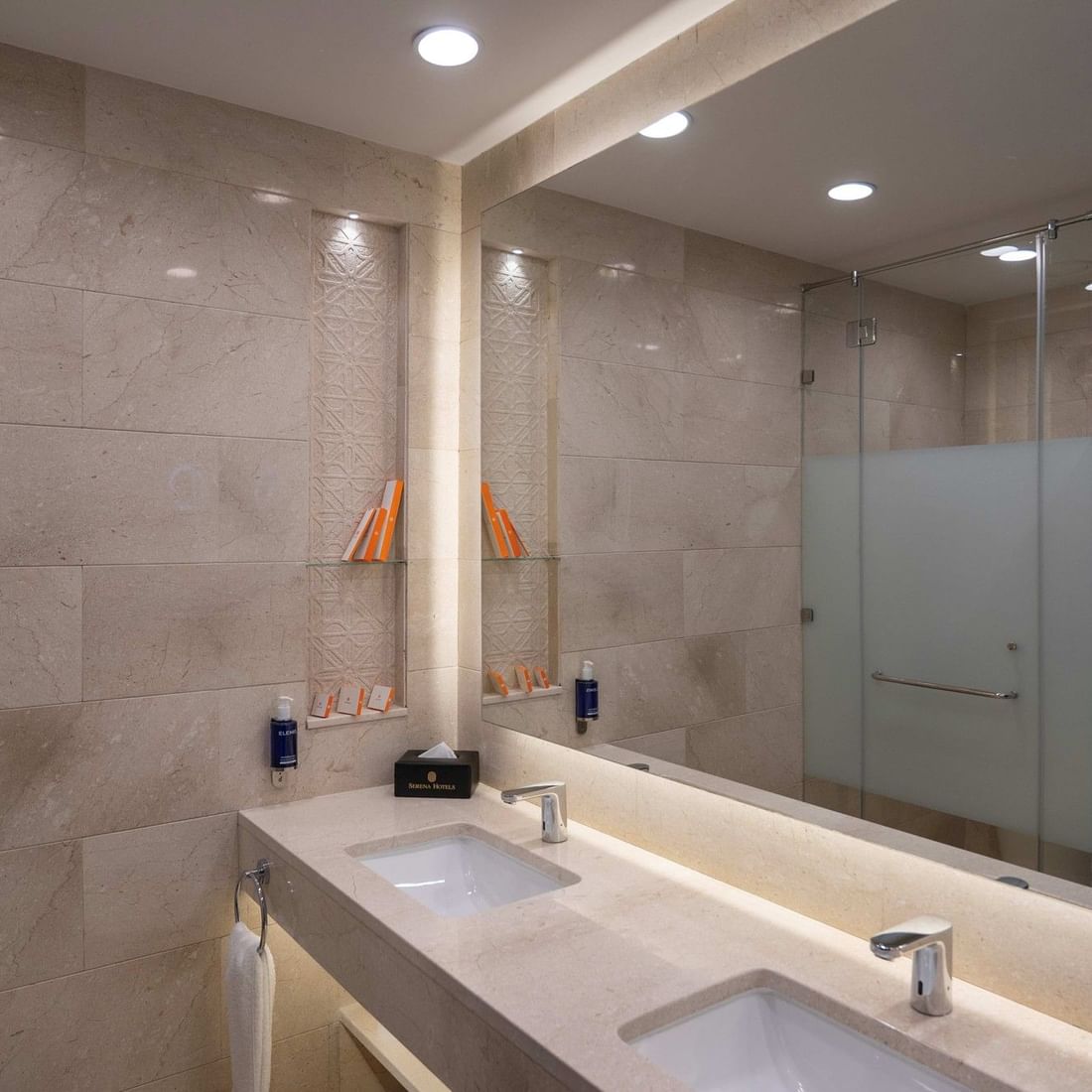
Hunza Serena
Karimabad-Hunza, Gilgit-Baltistan
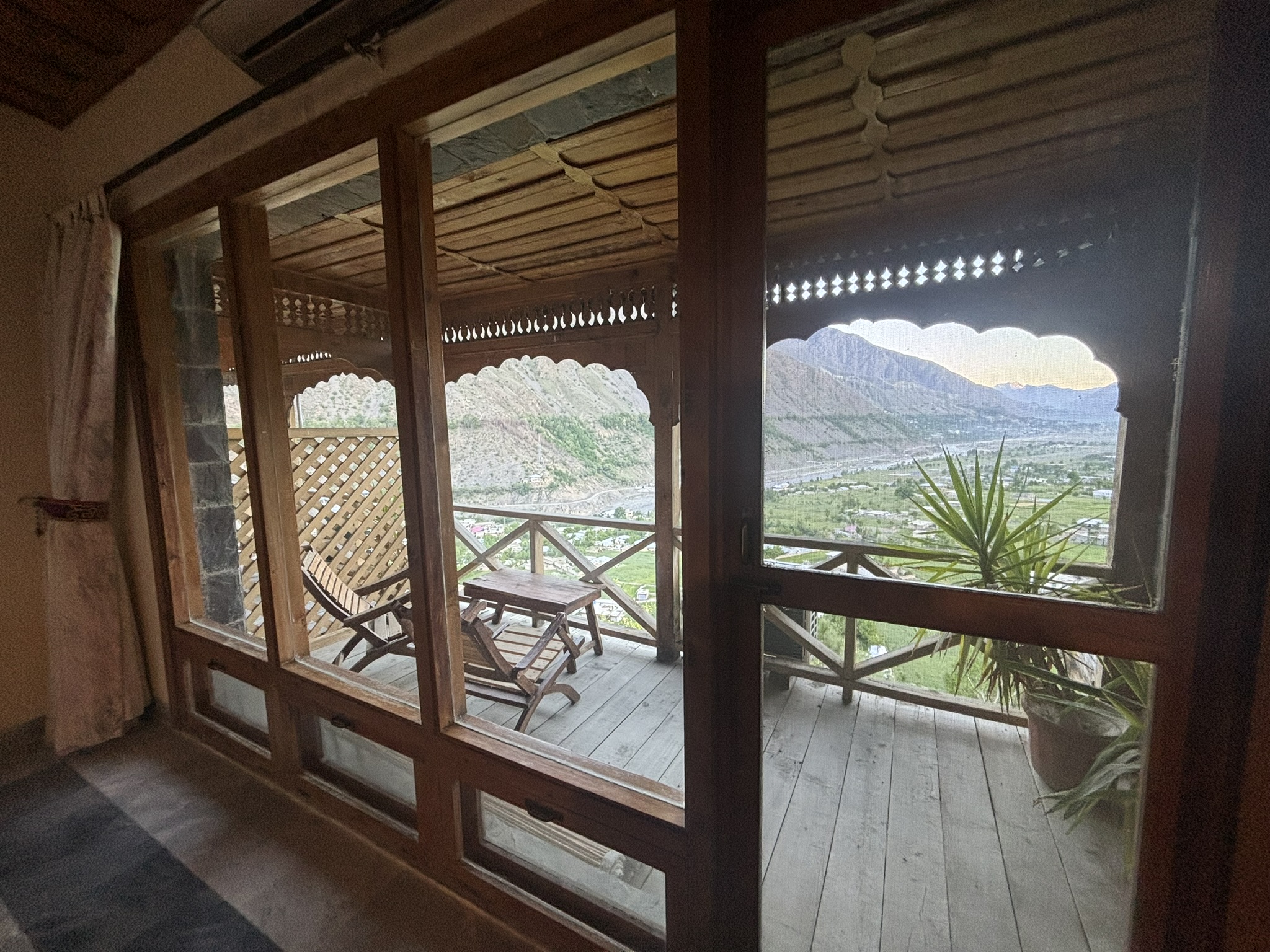
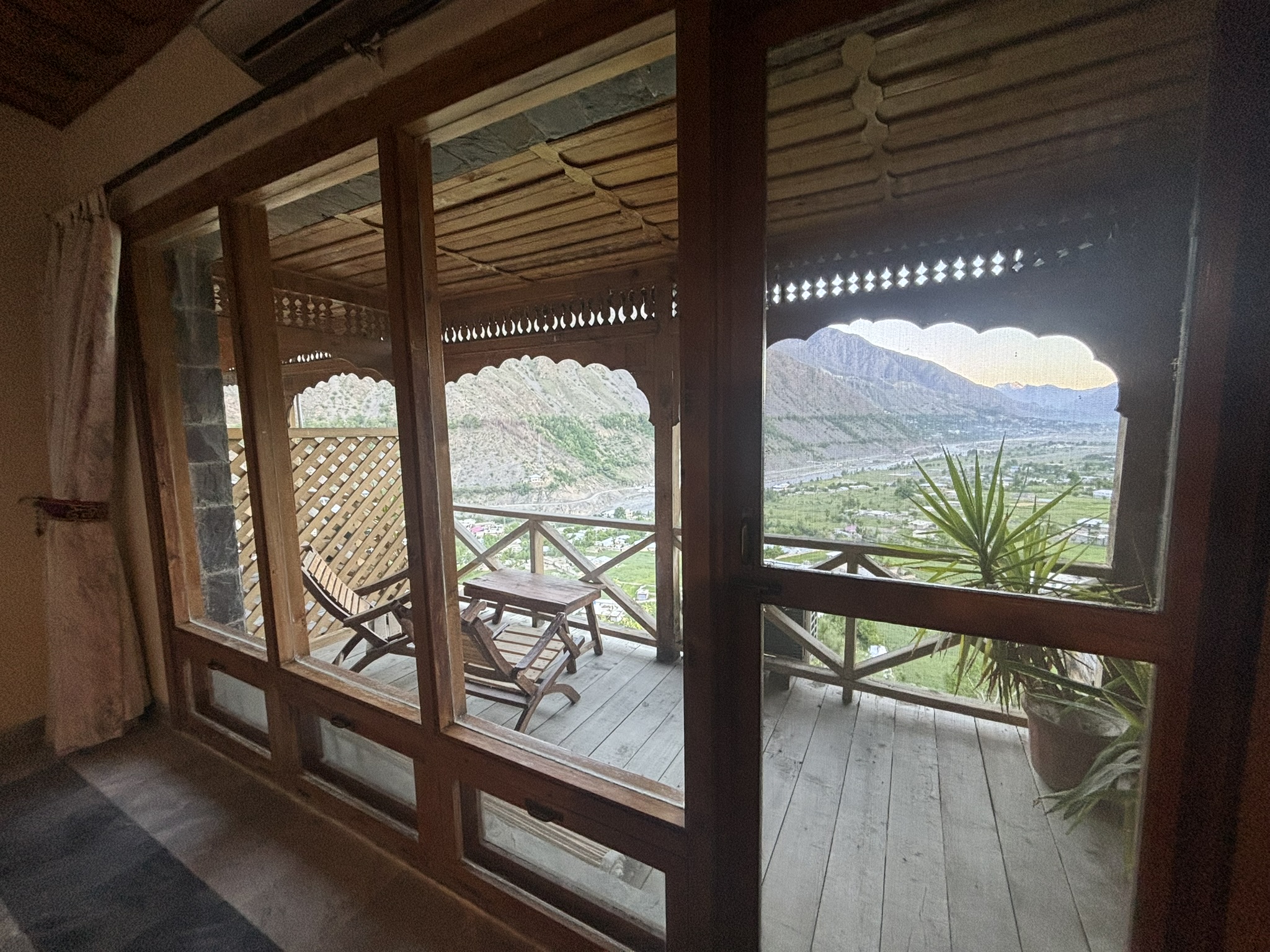
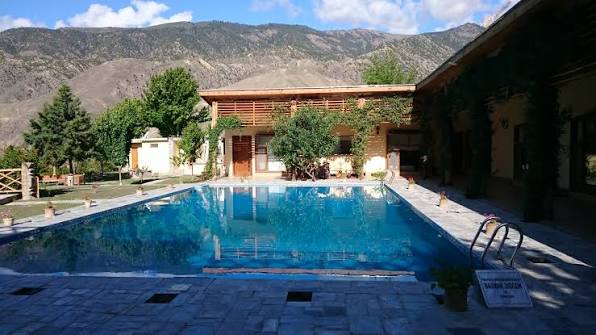
HinduKush Heights
Chitral
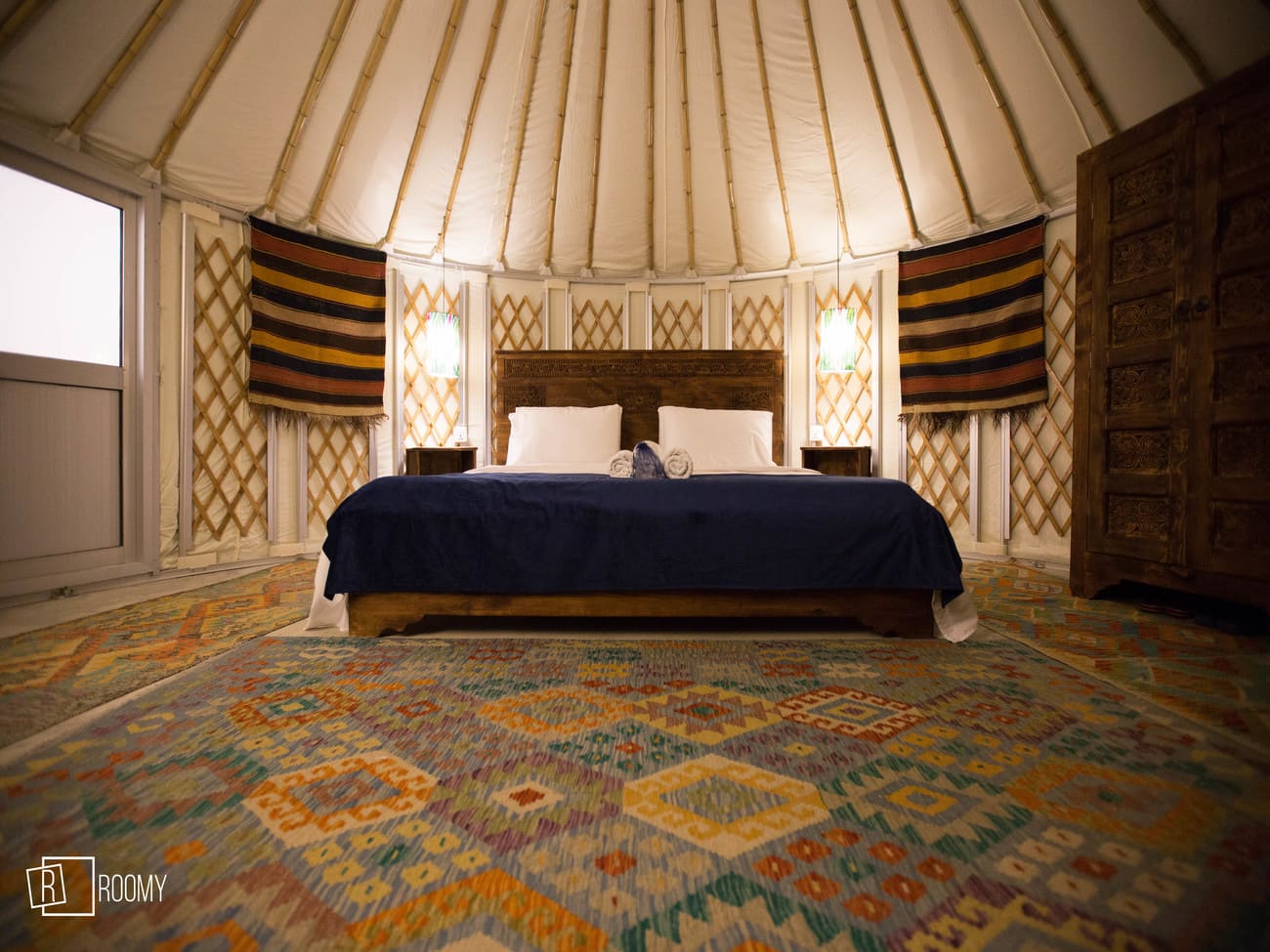
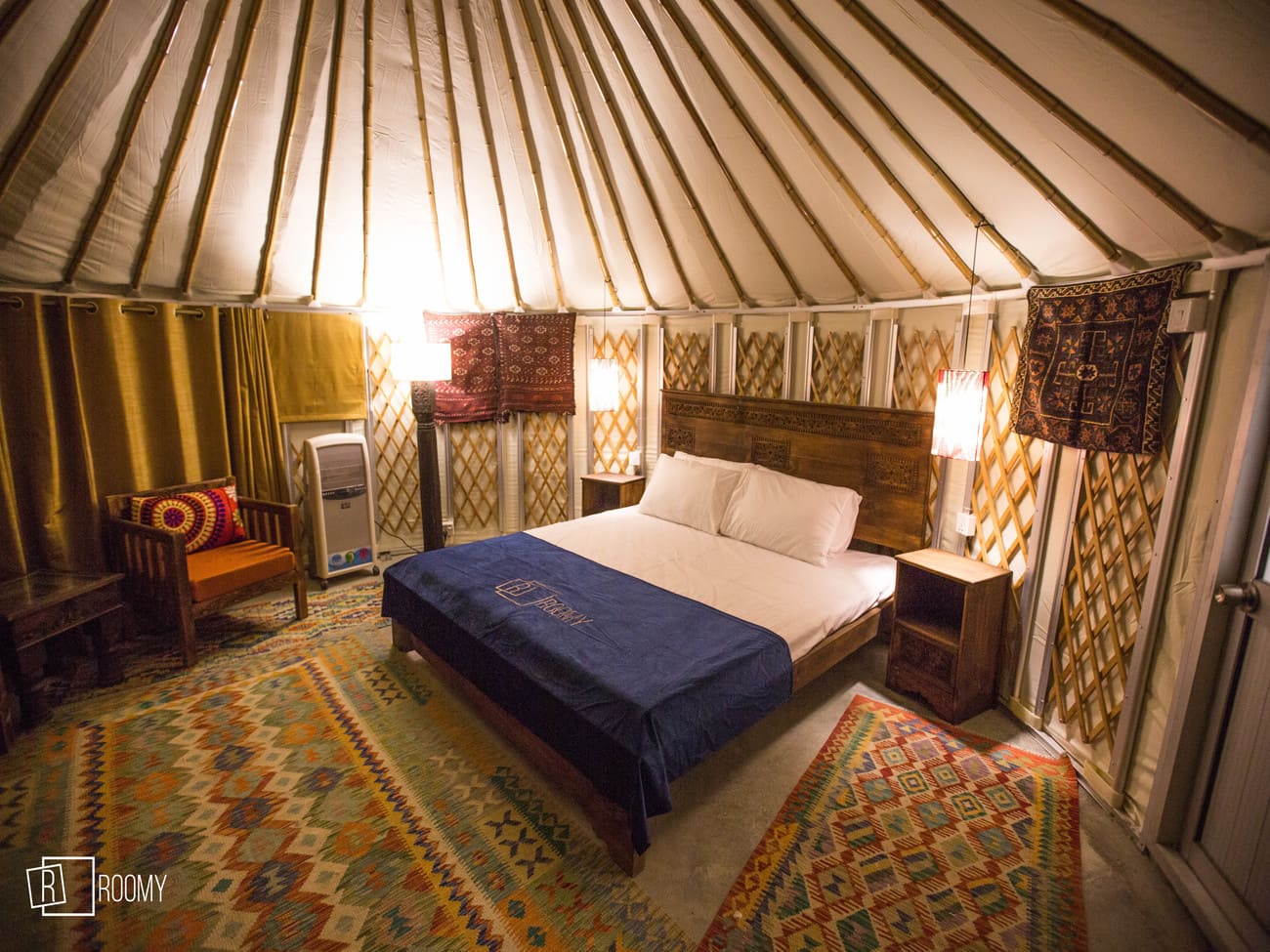
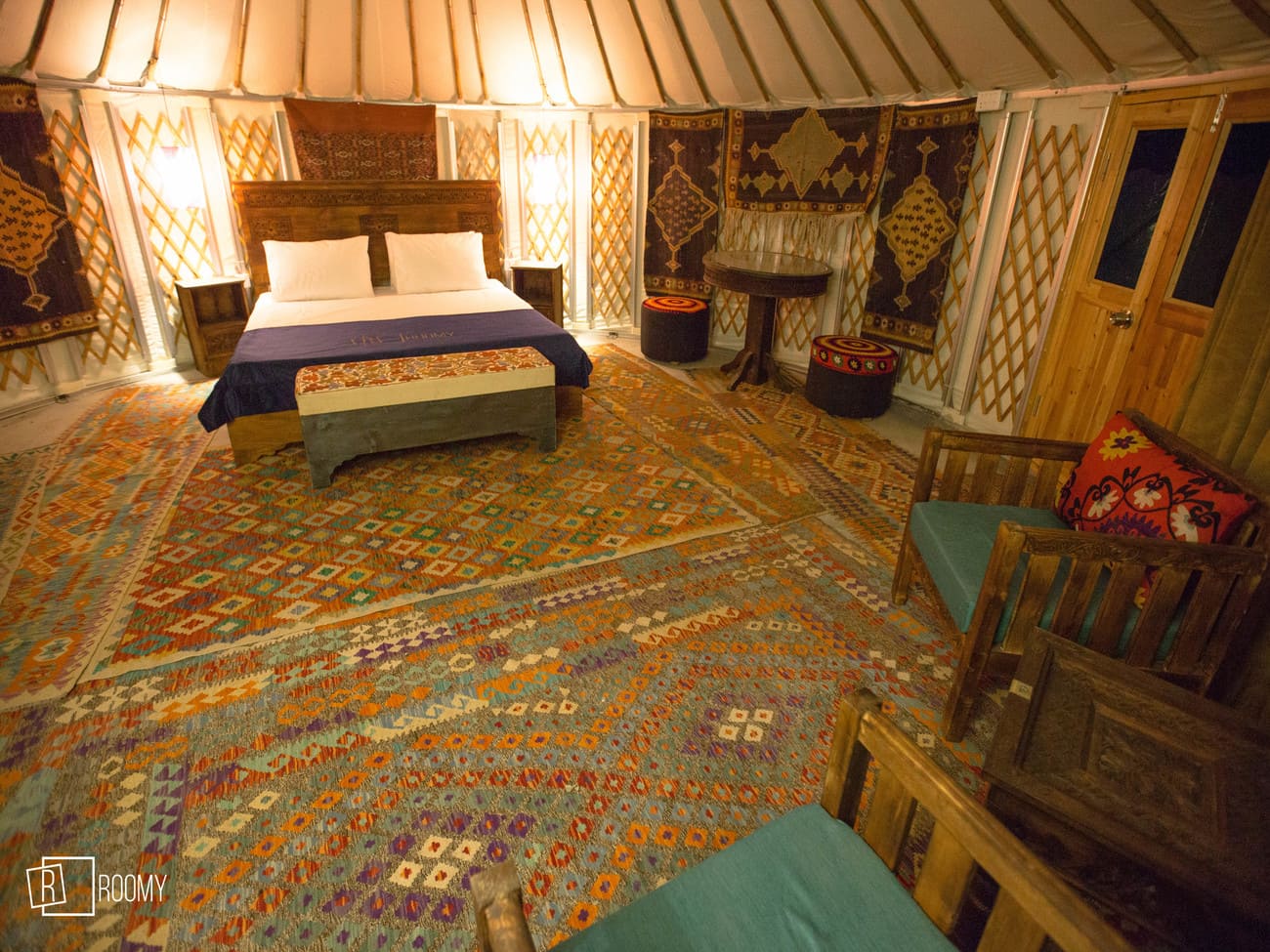
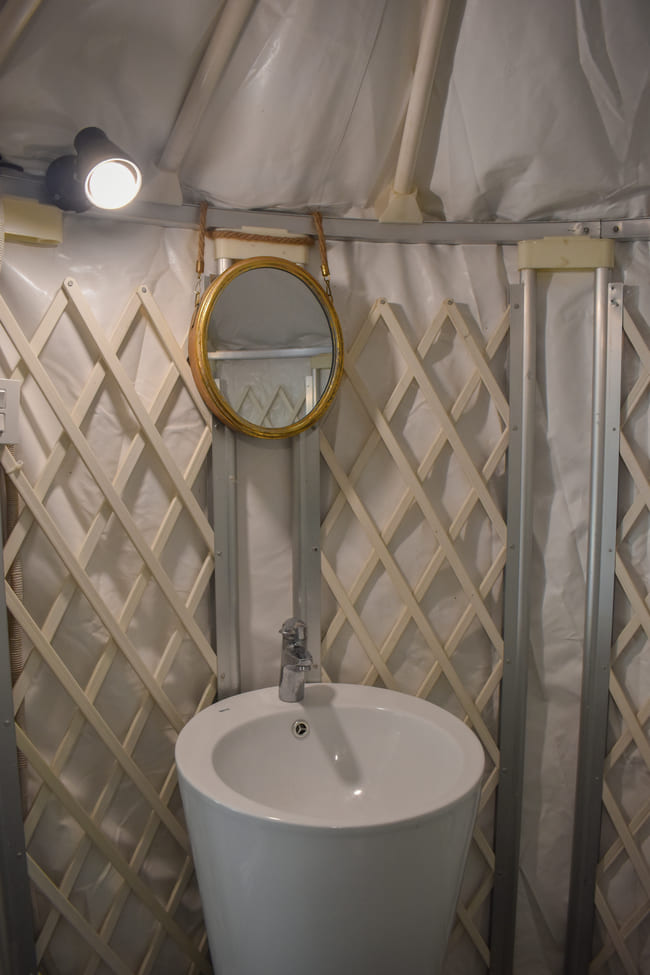
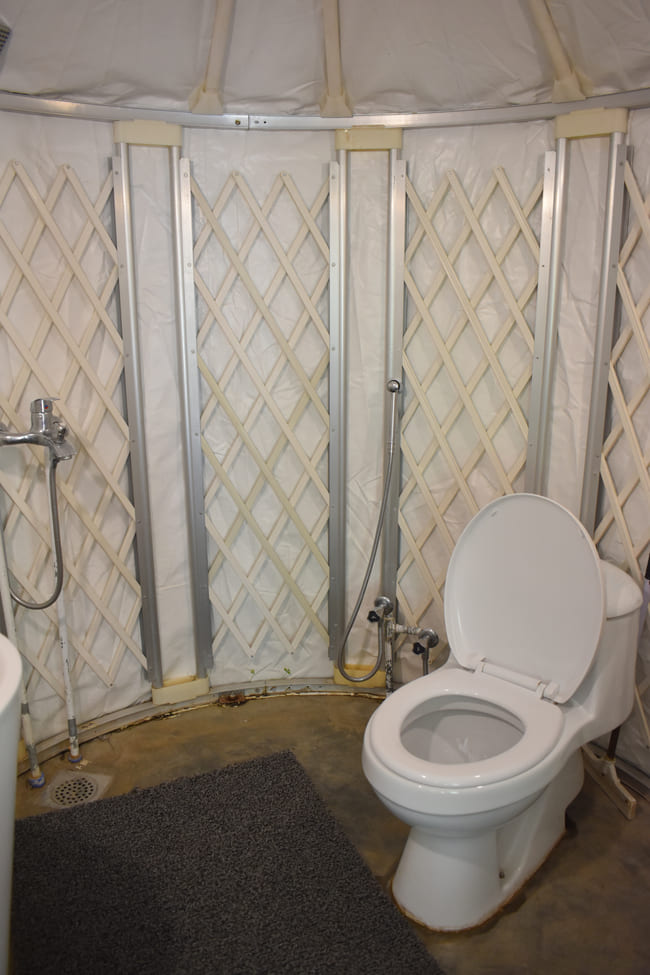
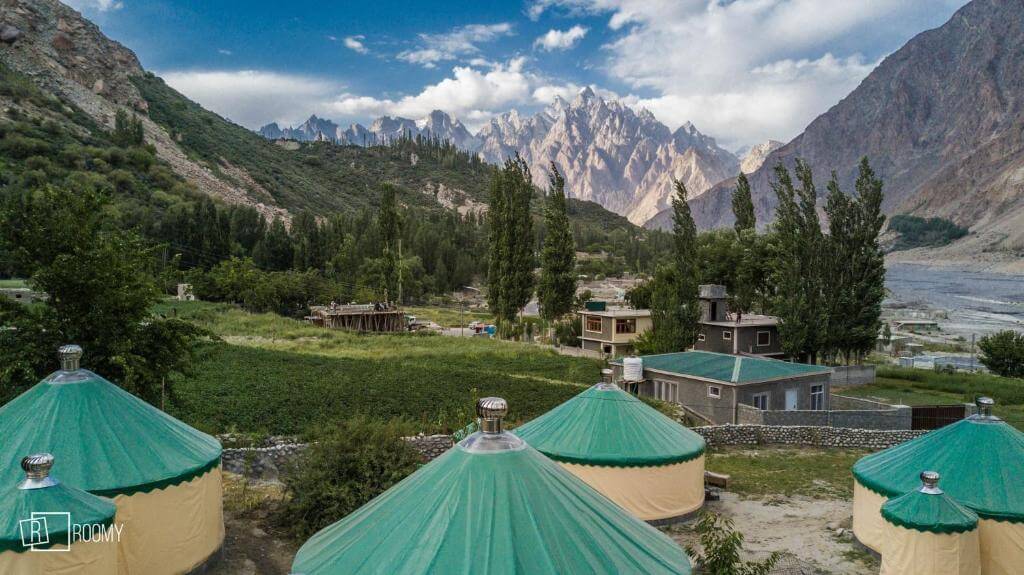
Roomy Yurts Gulmit Hunza
Gulmit-Hunza, Gilgit-Baltistan
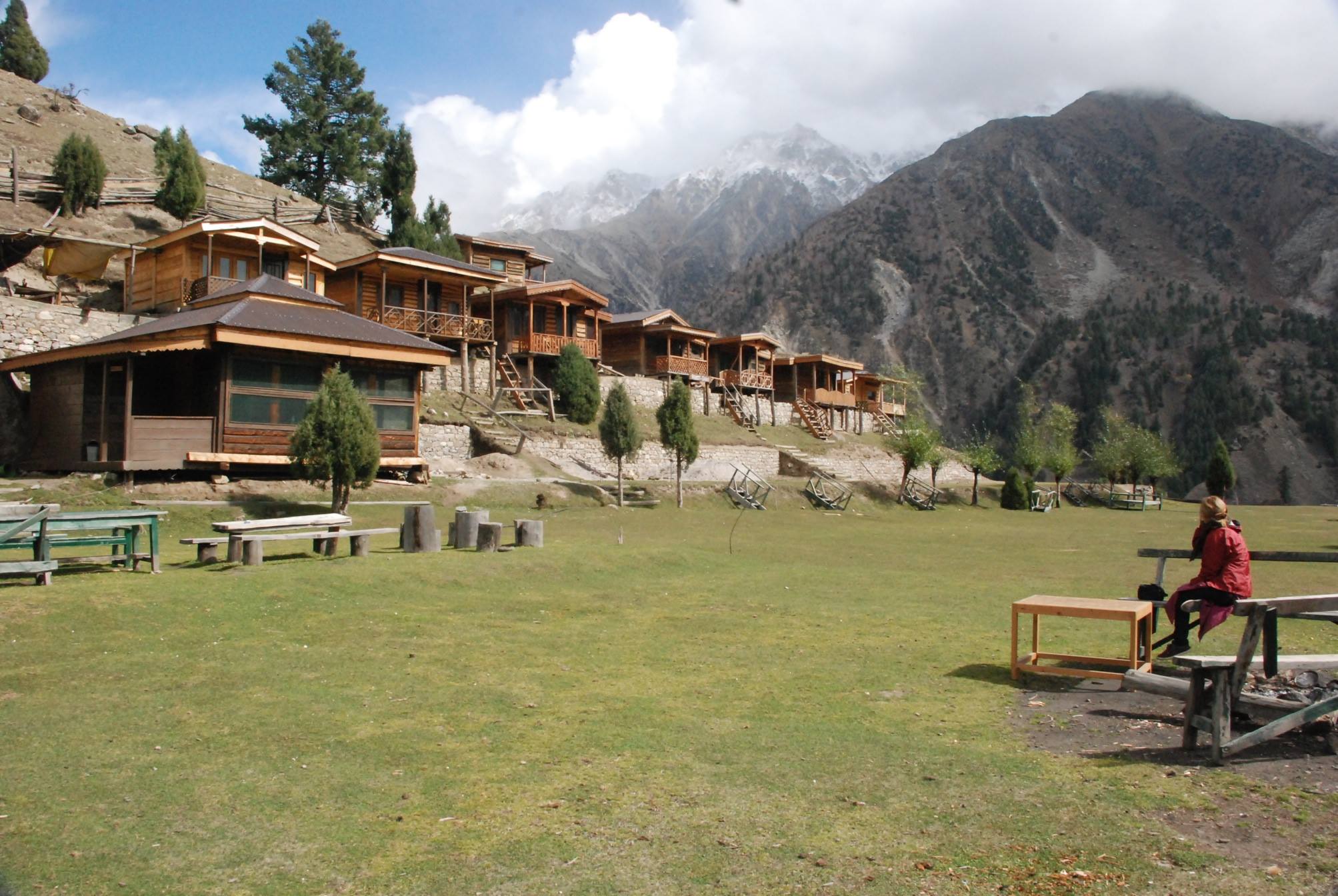
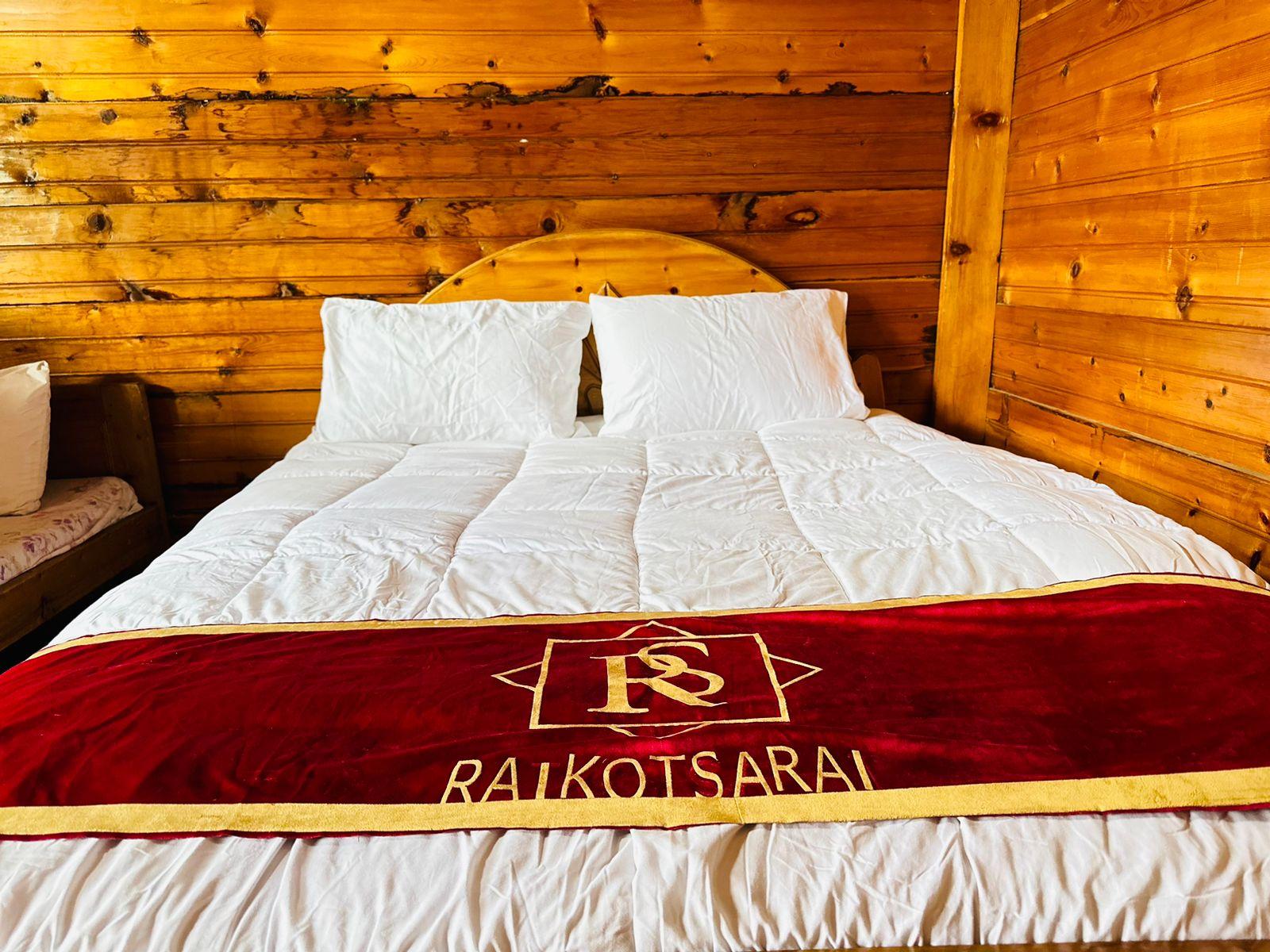
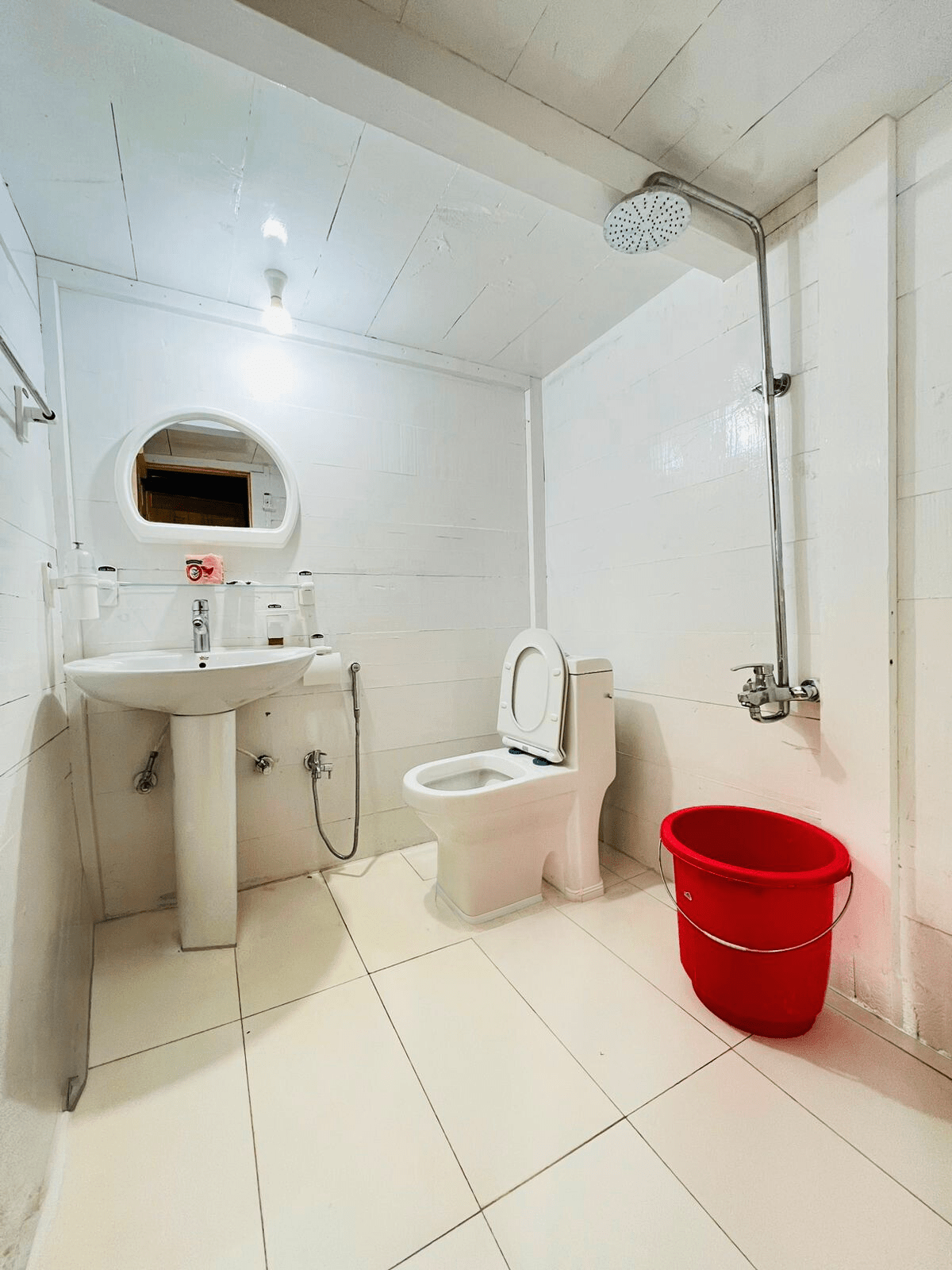
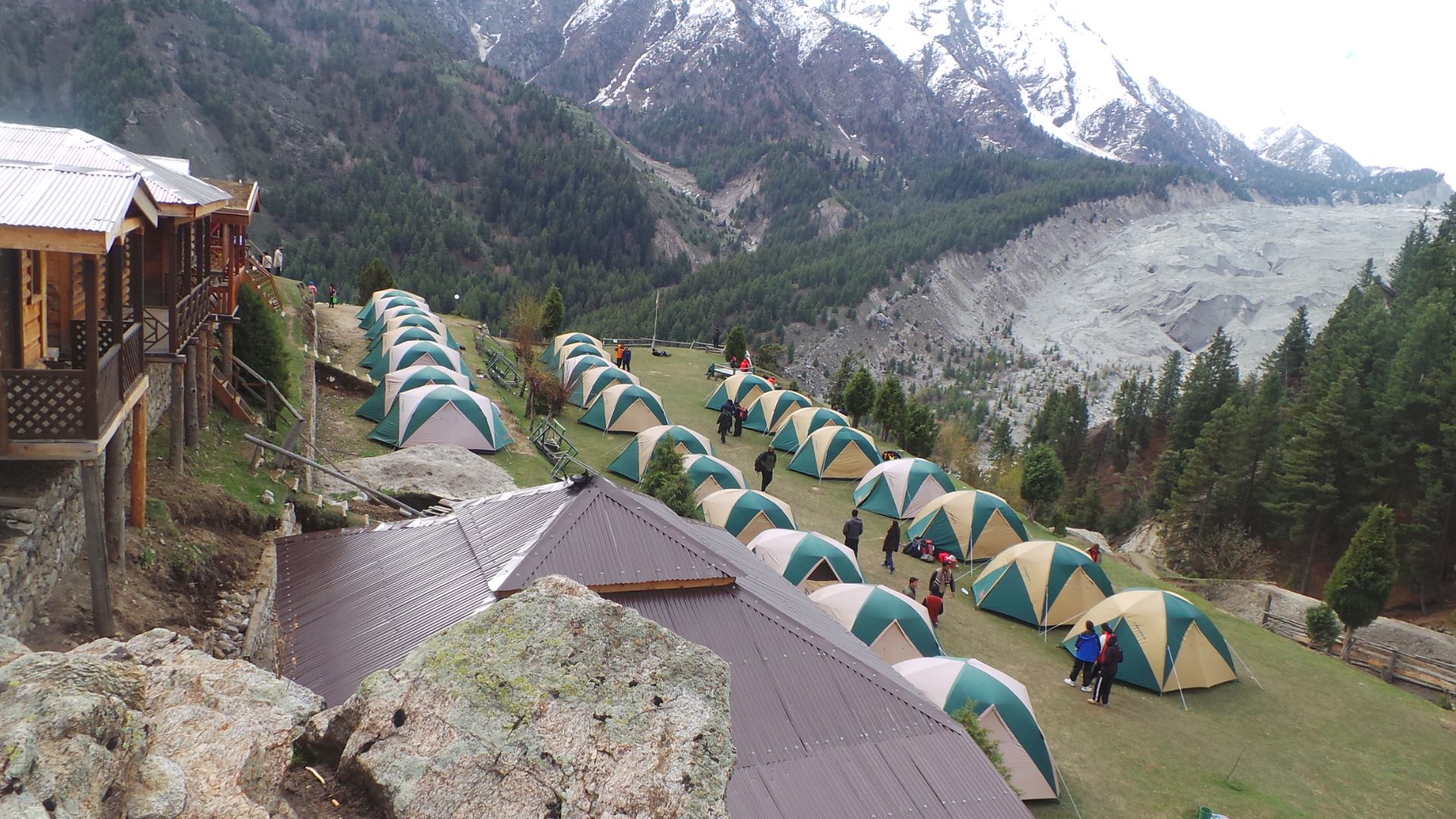
Raikot Sarai
Fairy Meadows, Gilgit-Baltistan
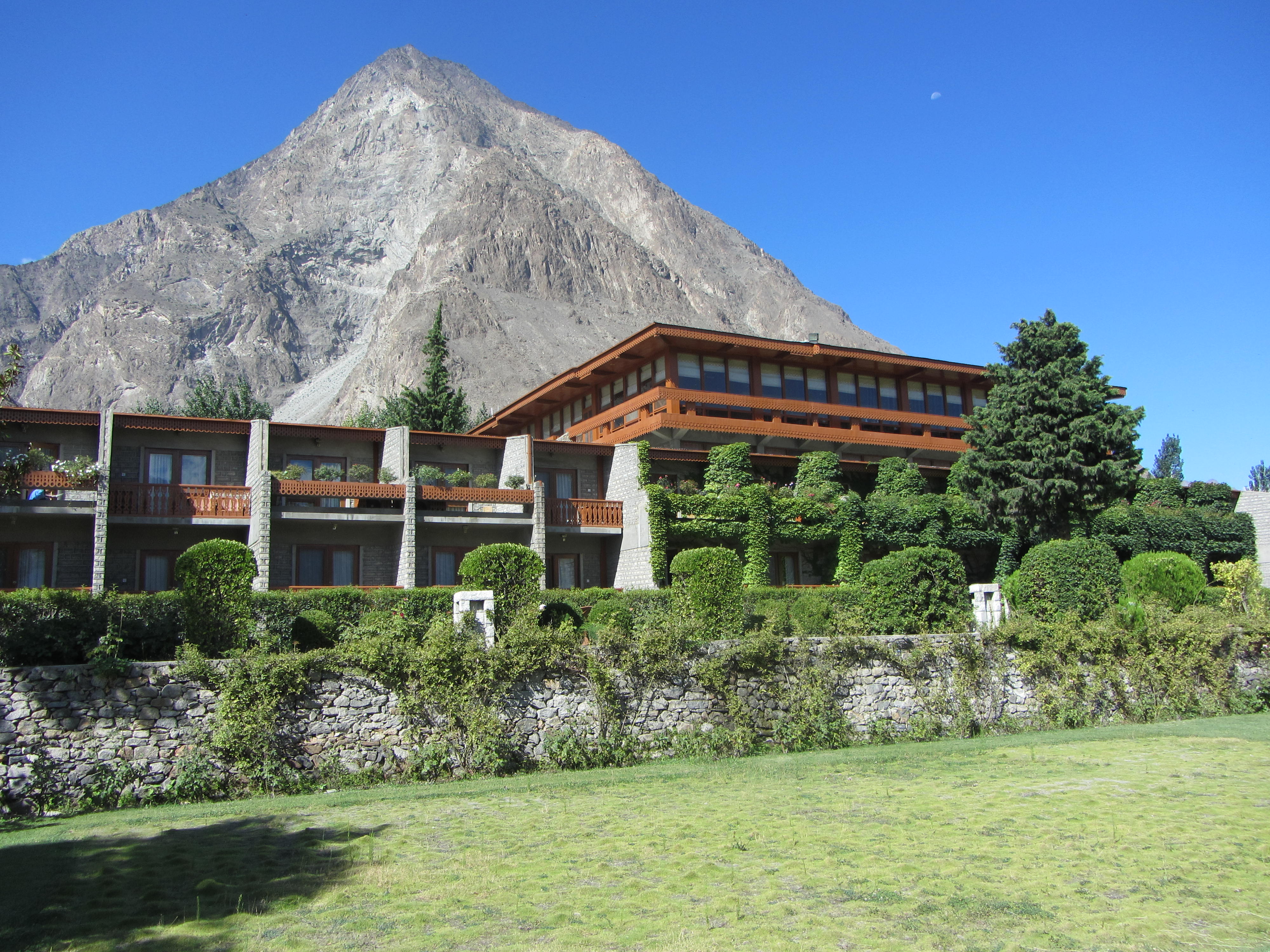
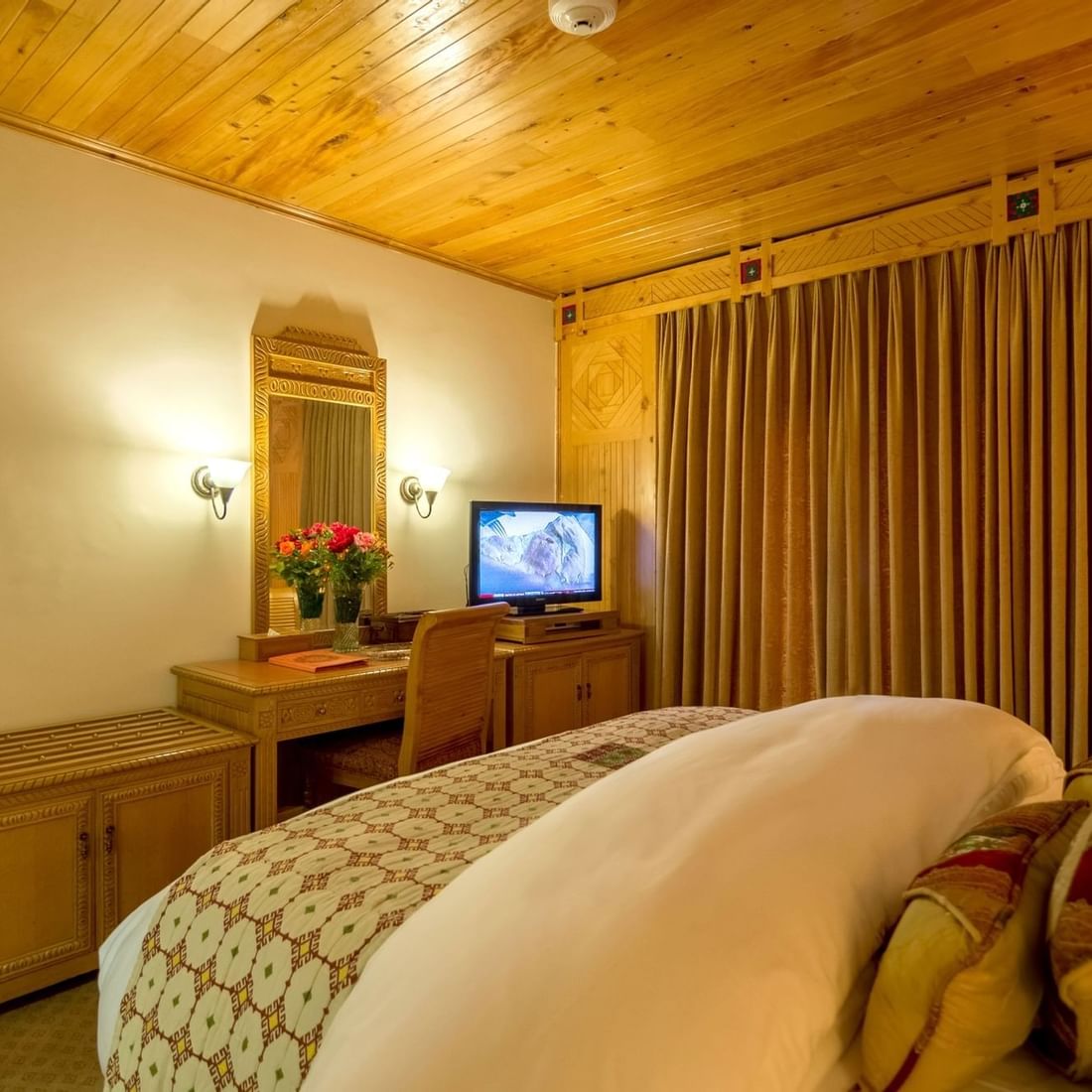
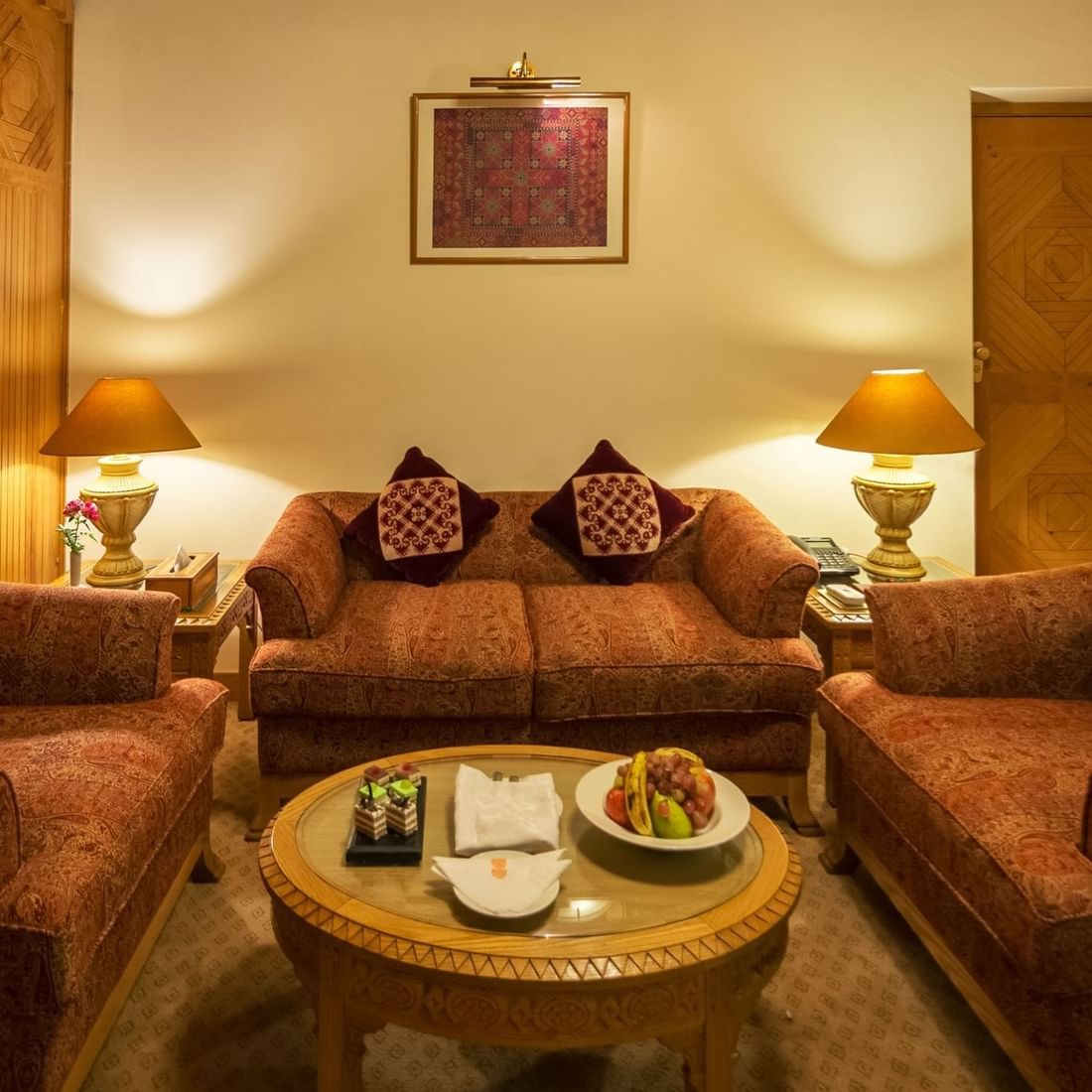
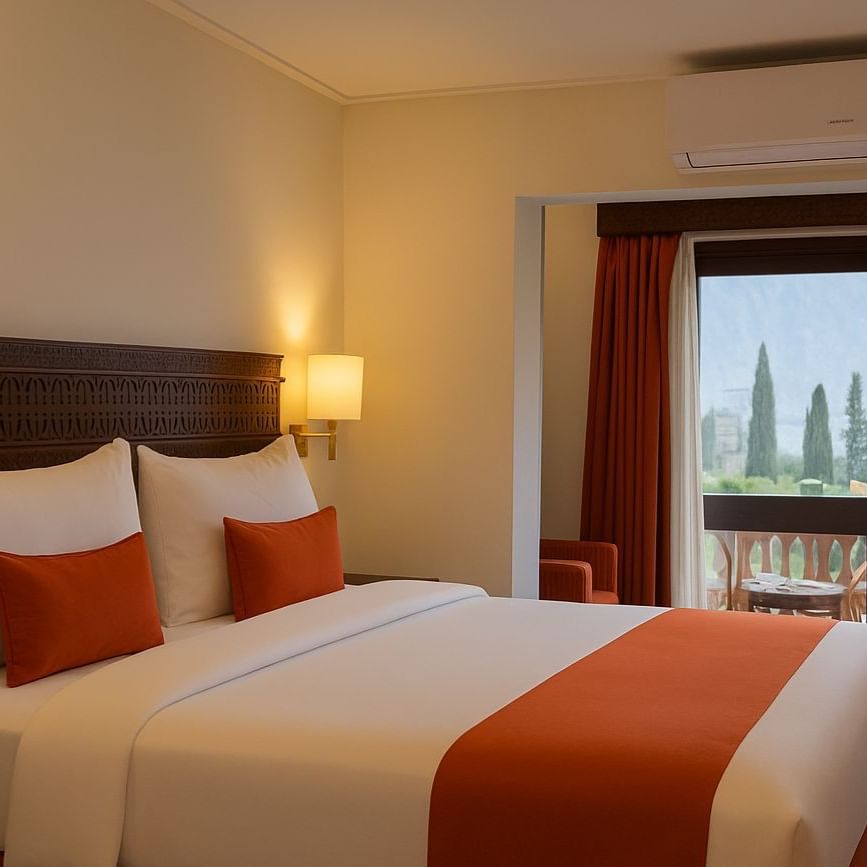
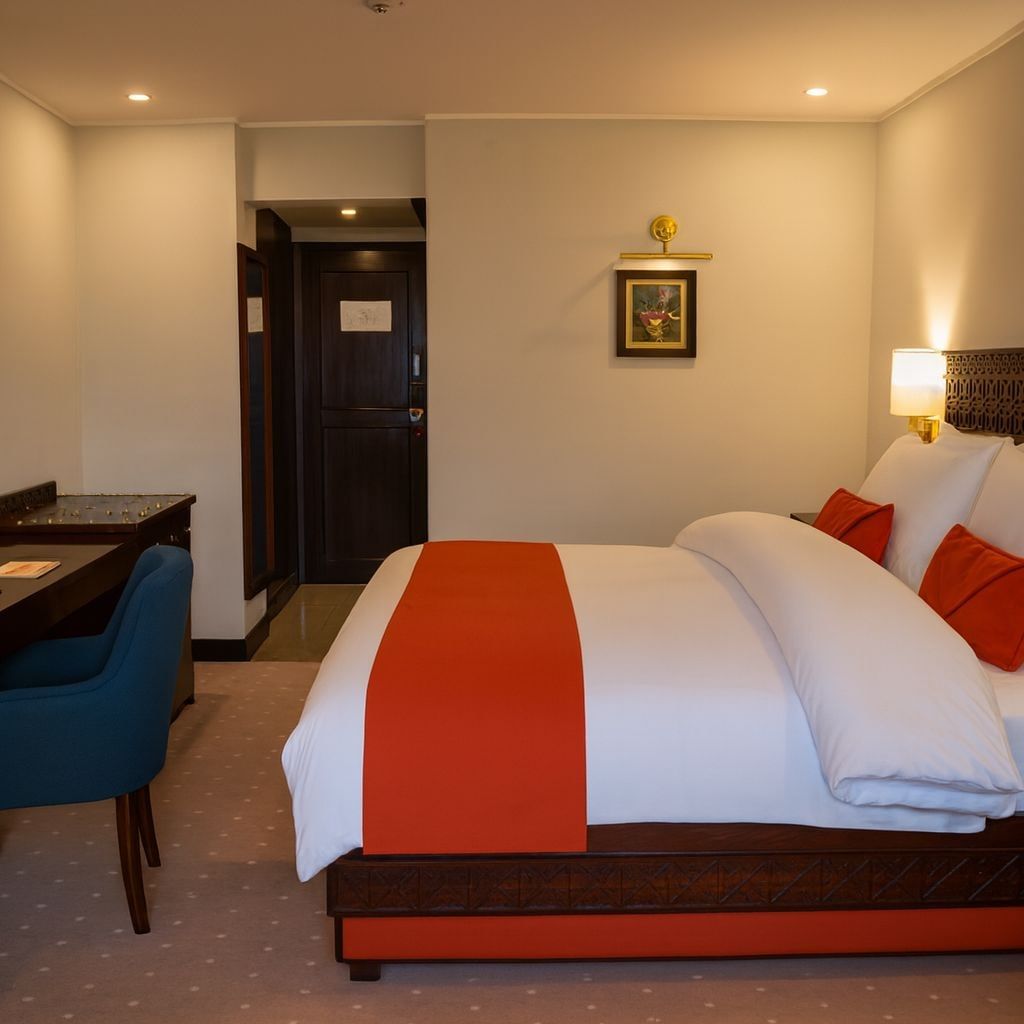
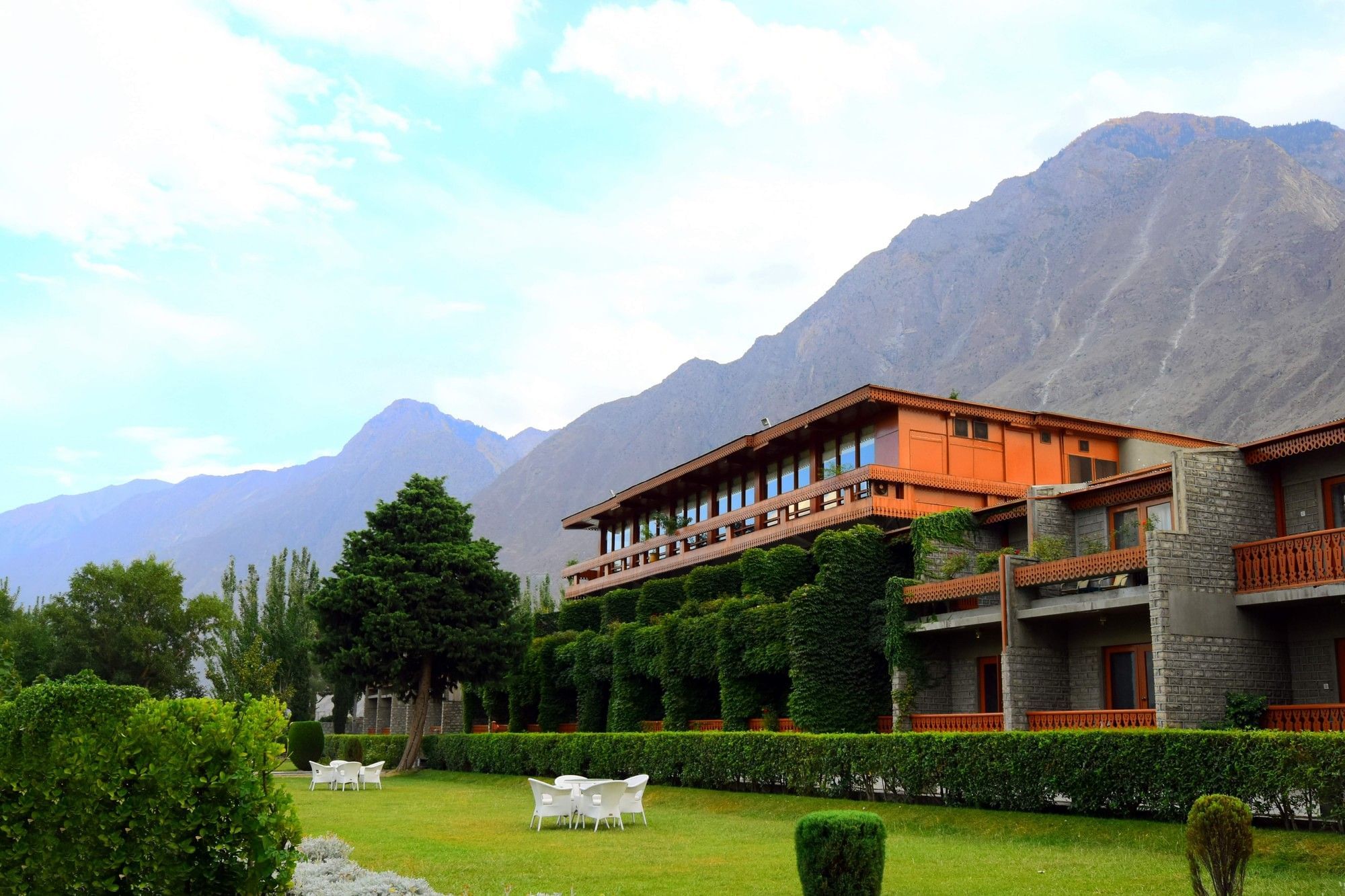
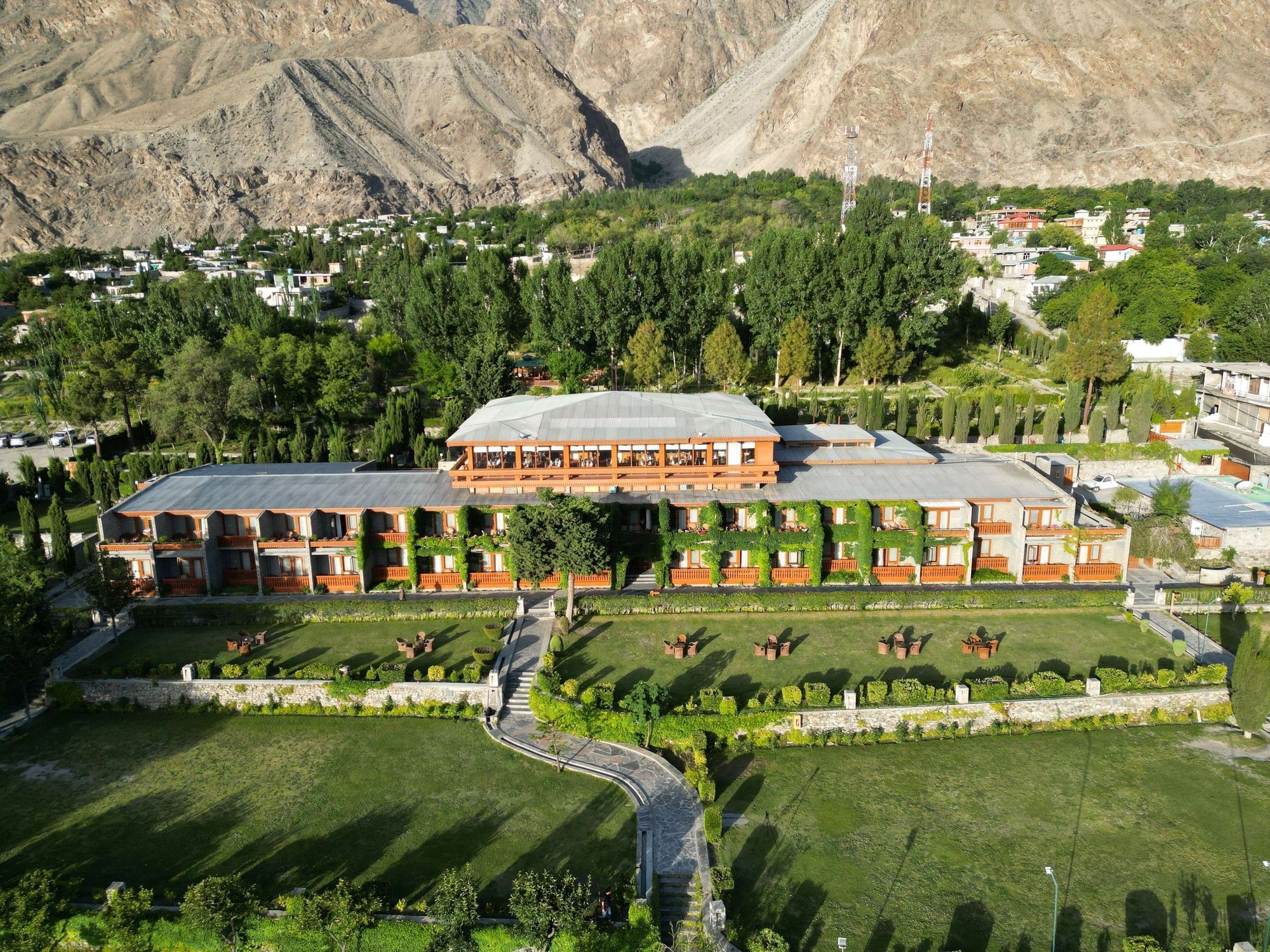
Gilgit Serena Hotel
Jutial-Gilgit, Gilgit-Baltistan
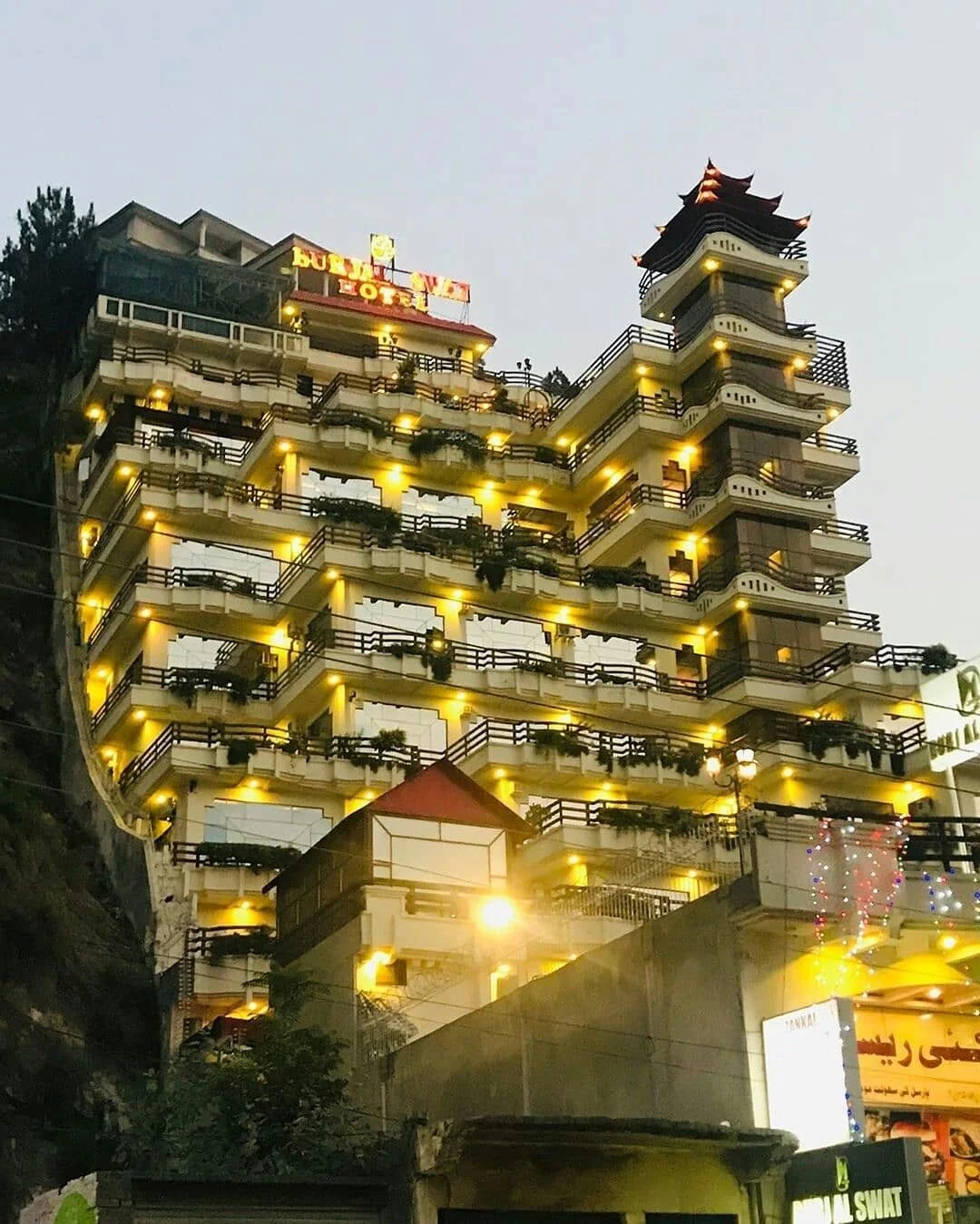
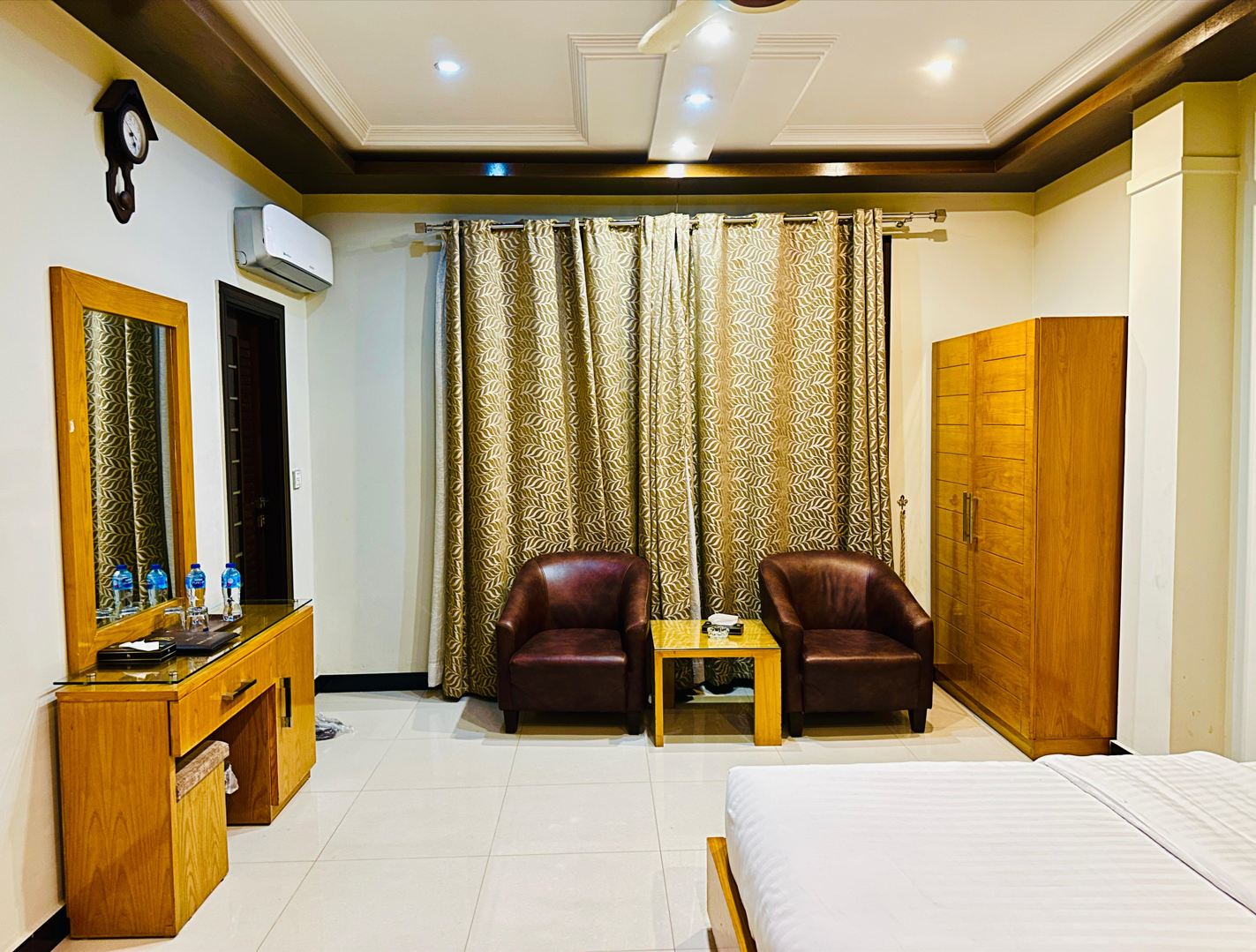
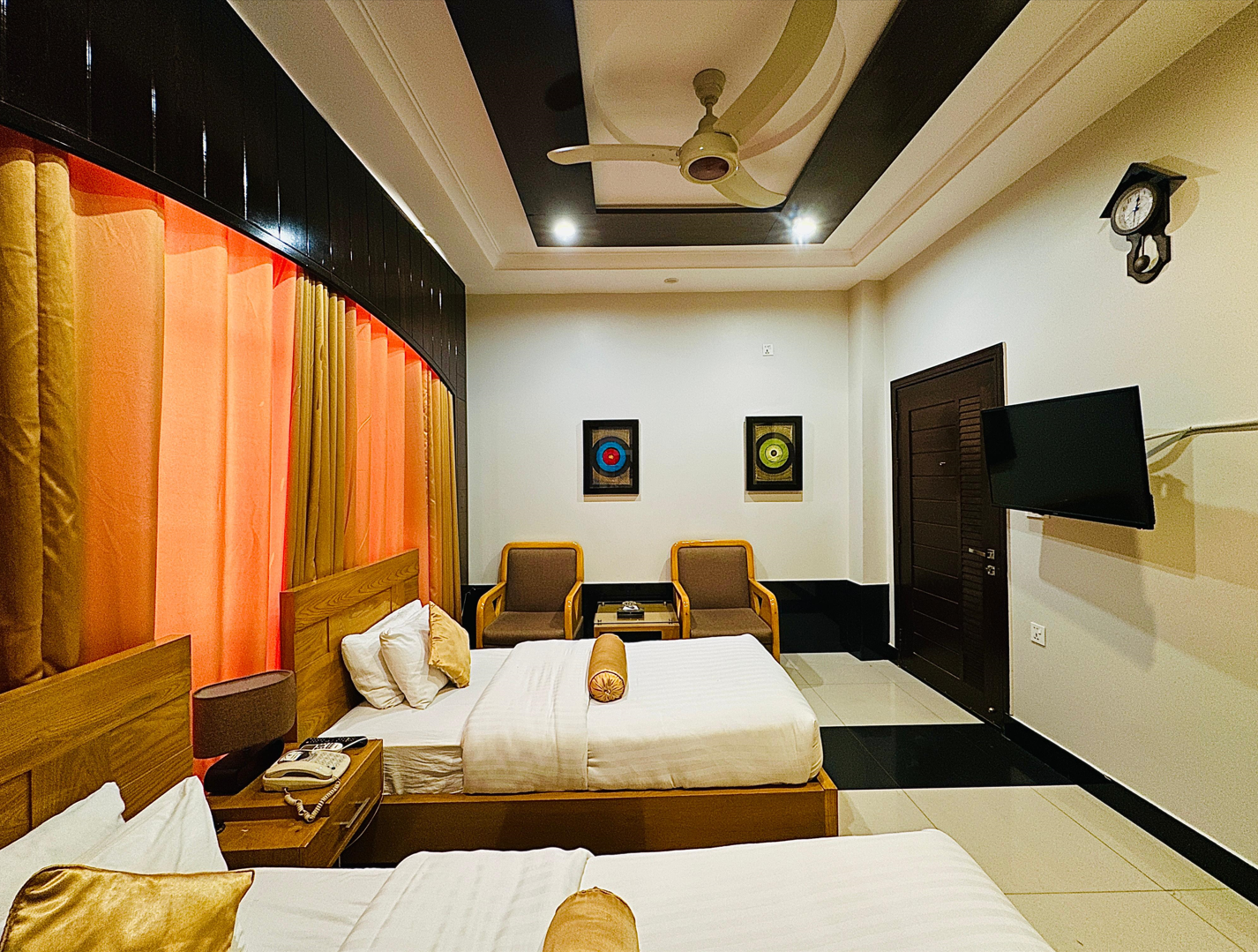
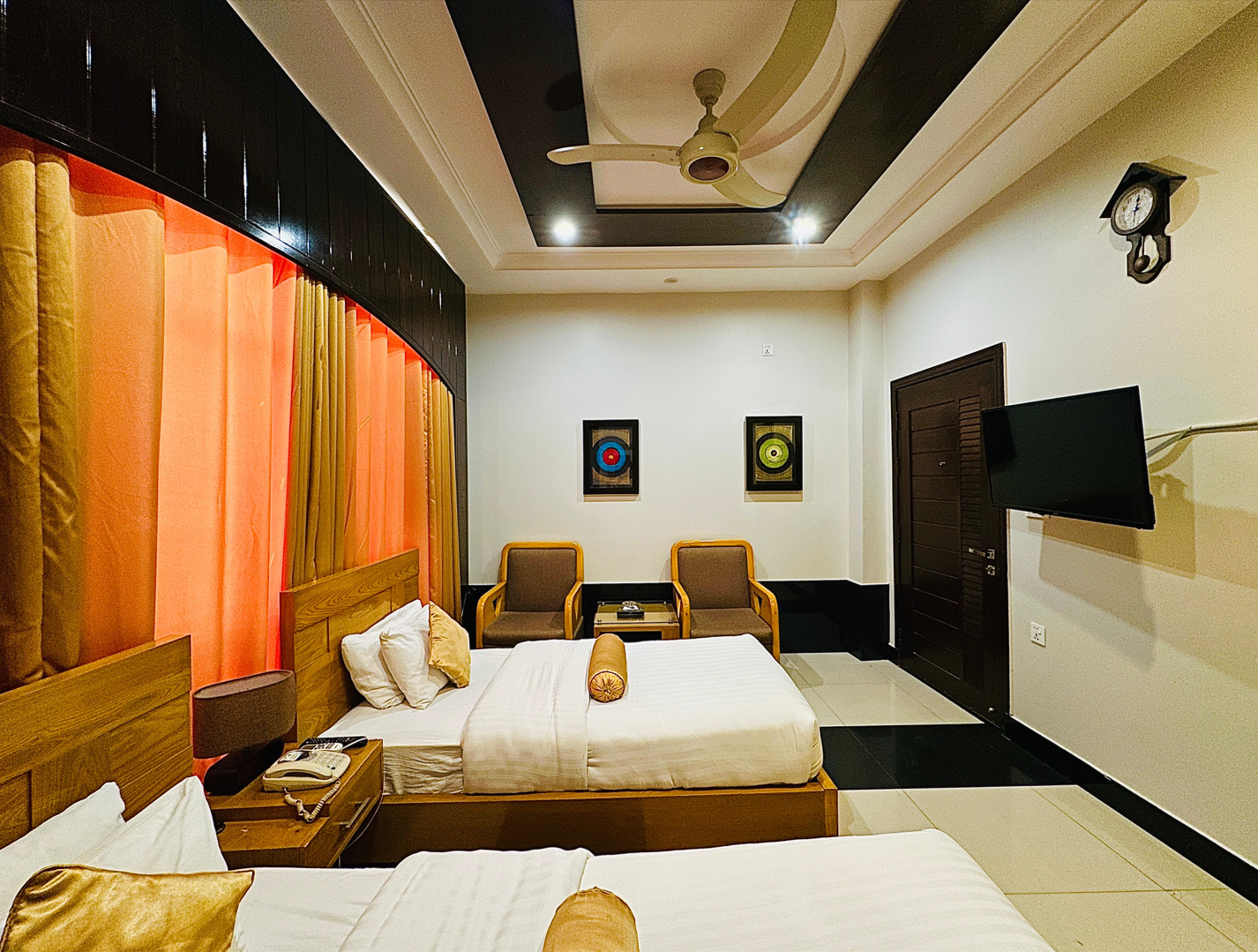
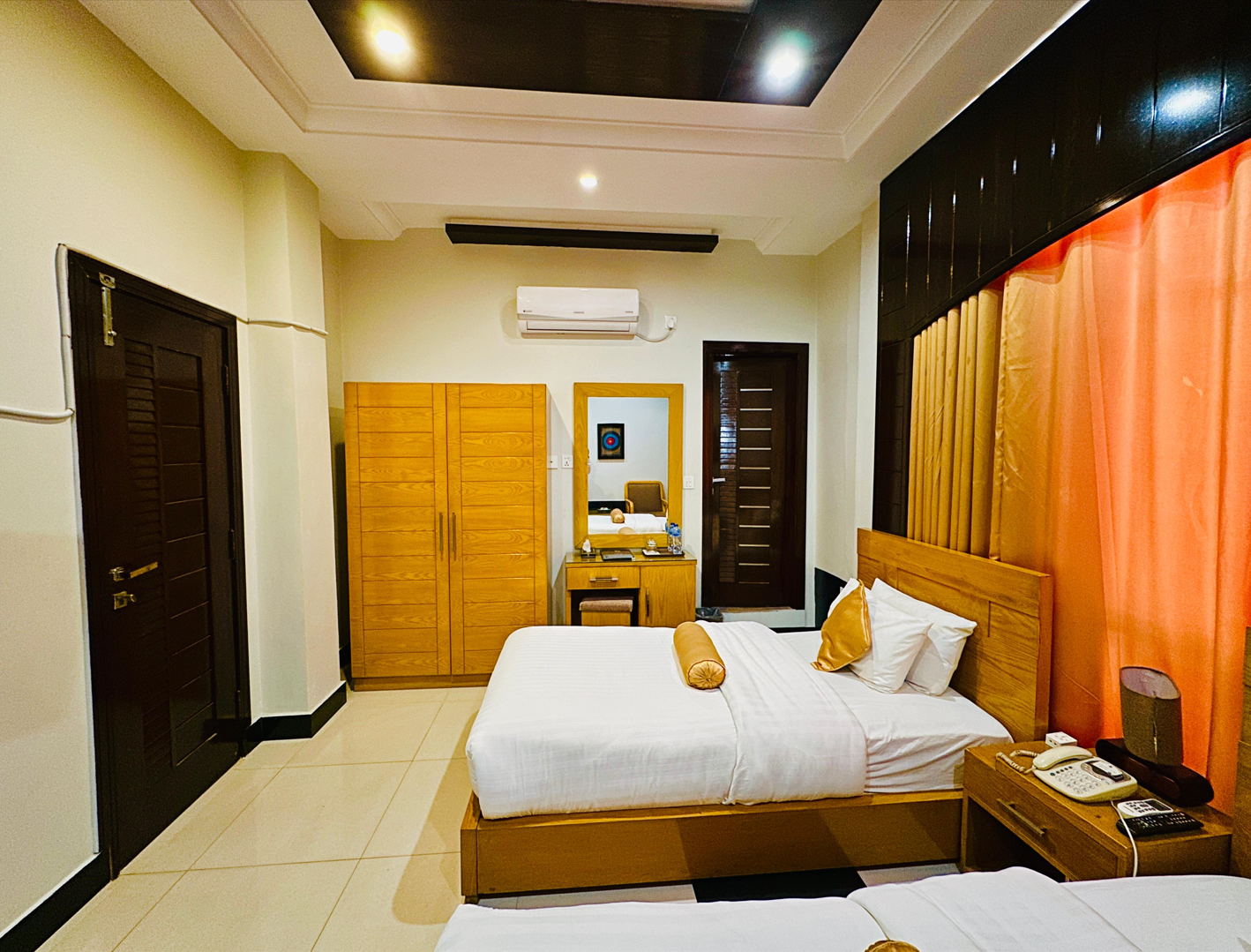
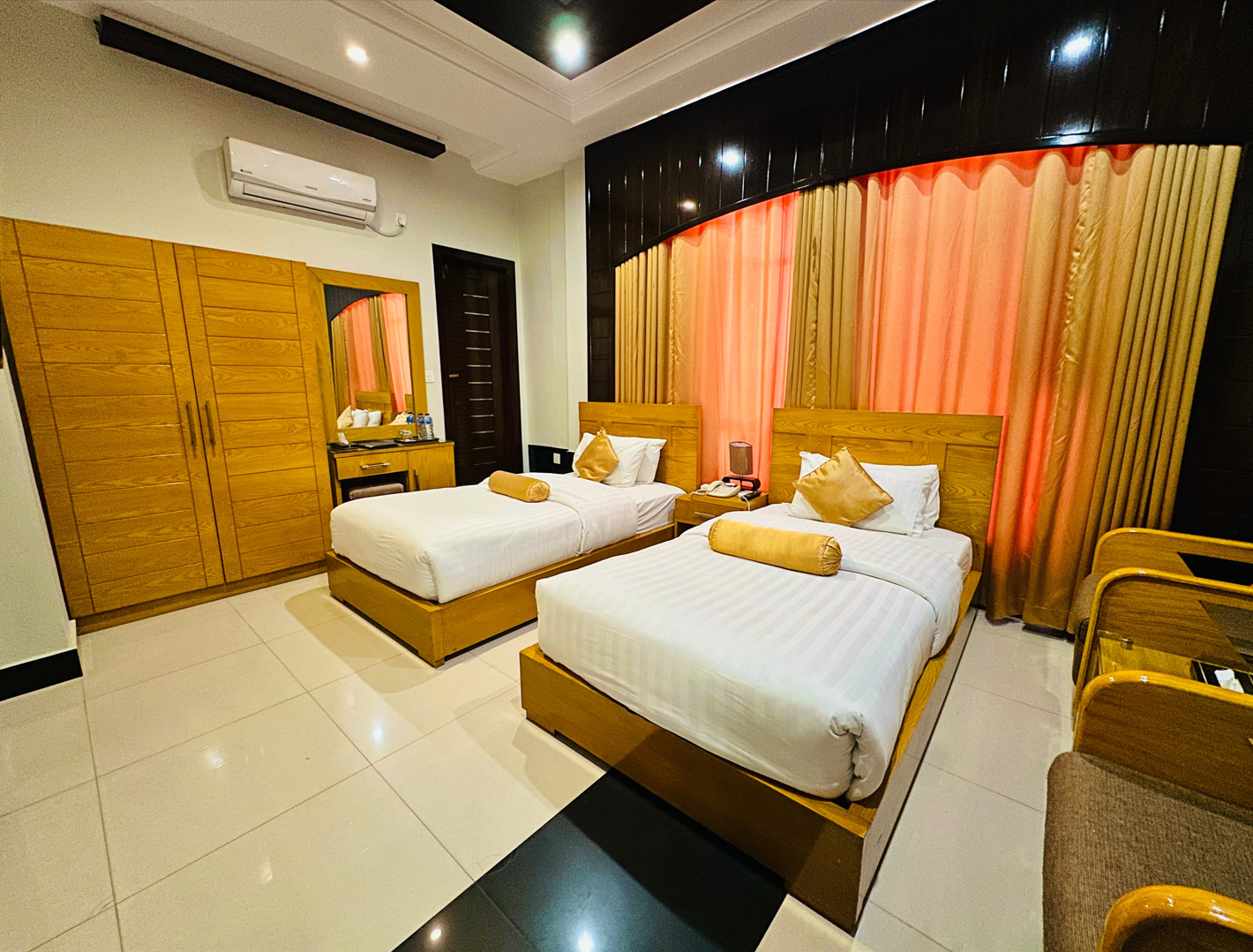
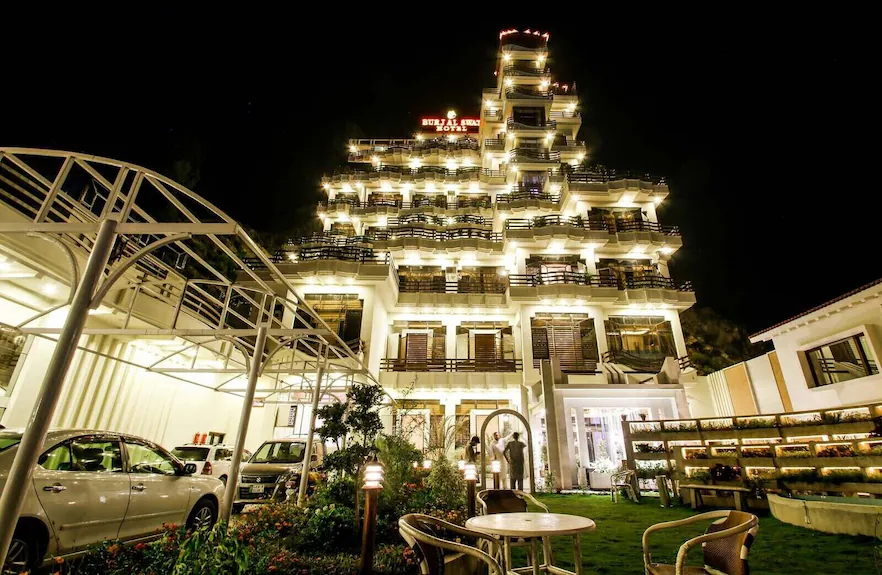
Burj Al Swat
Mingora, Khyber Pakhtunkhwa
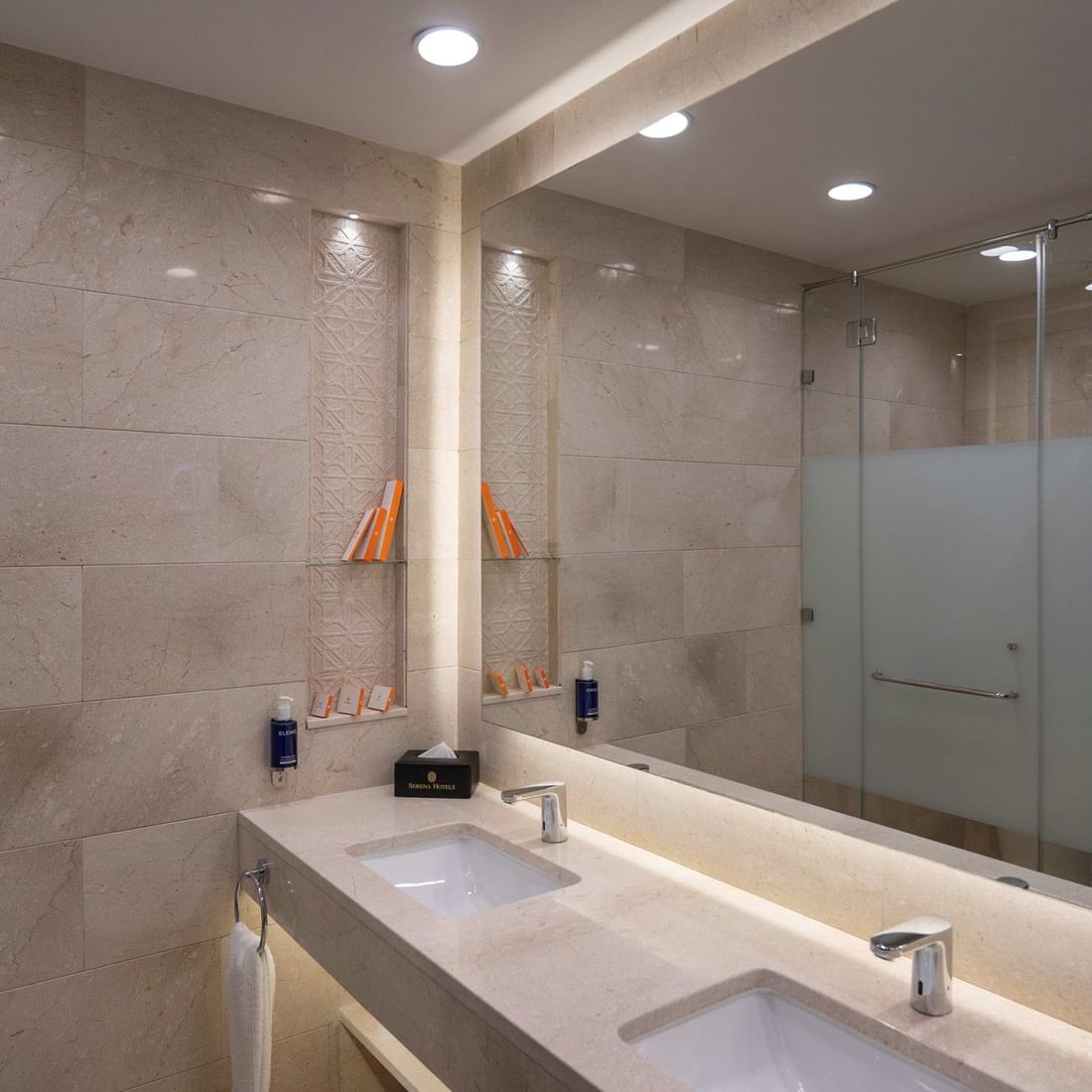
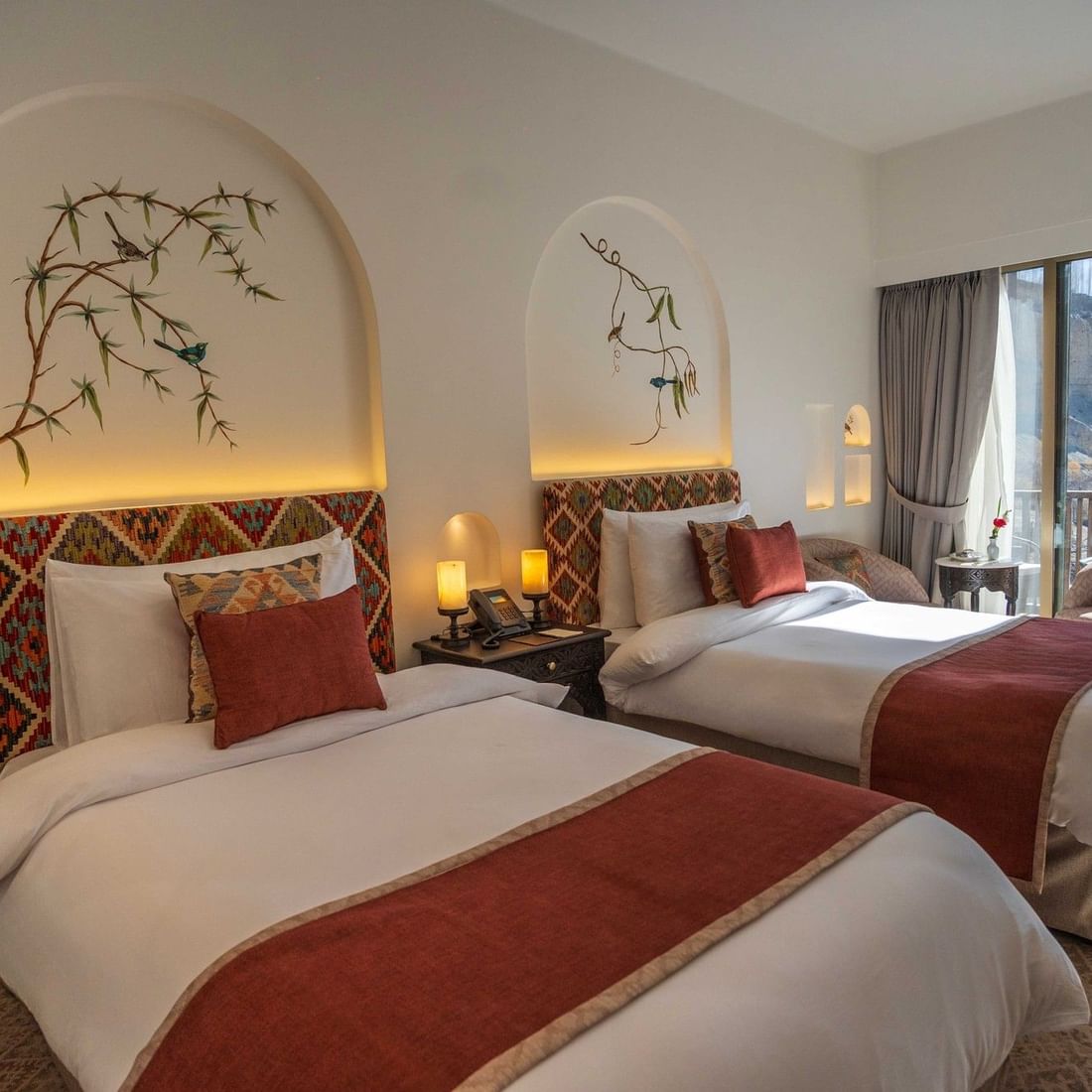
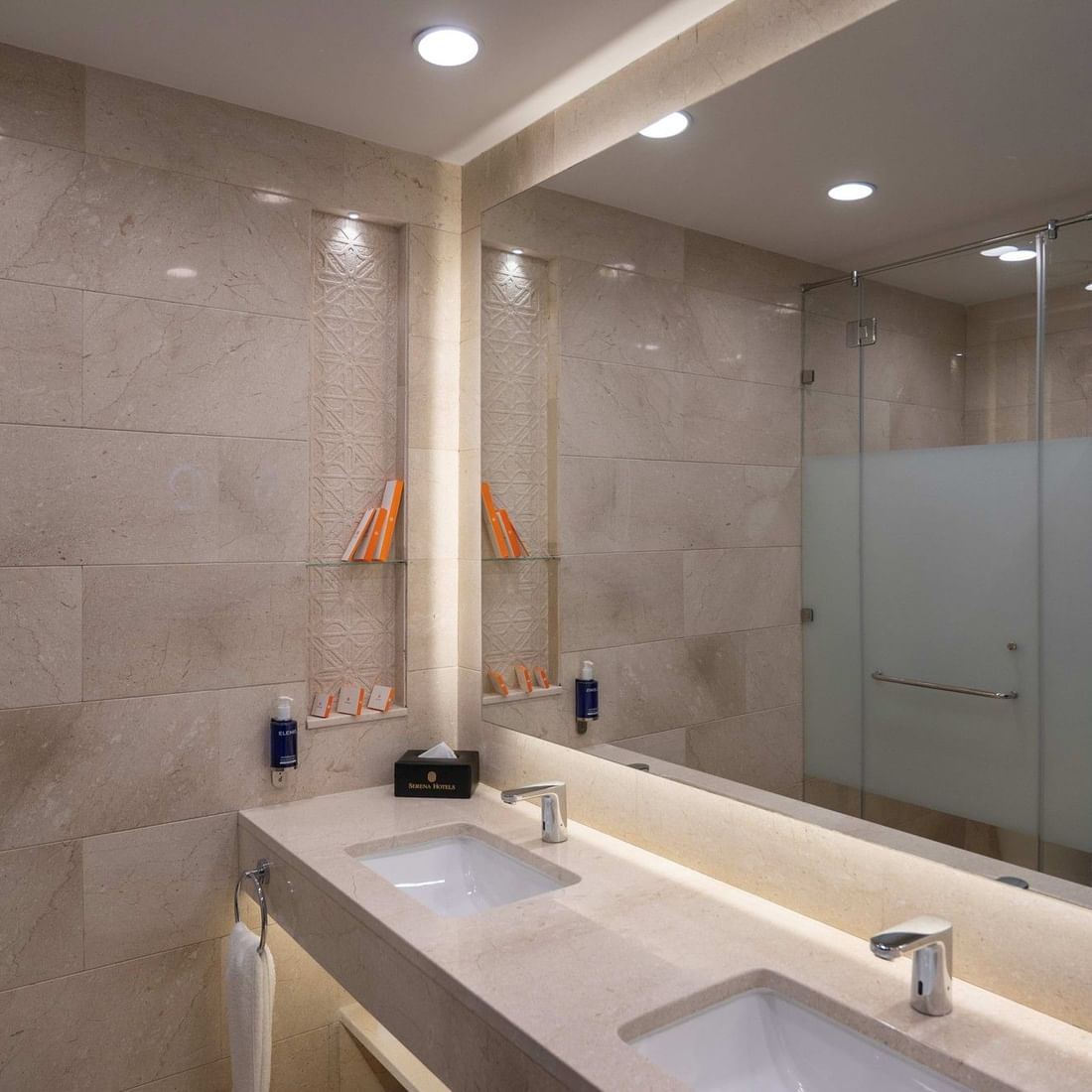
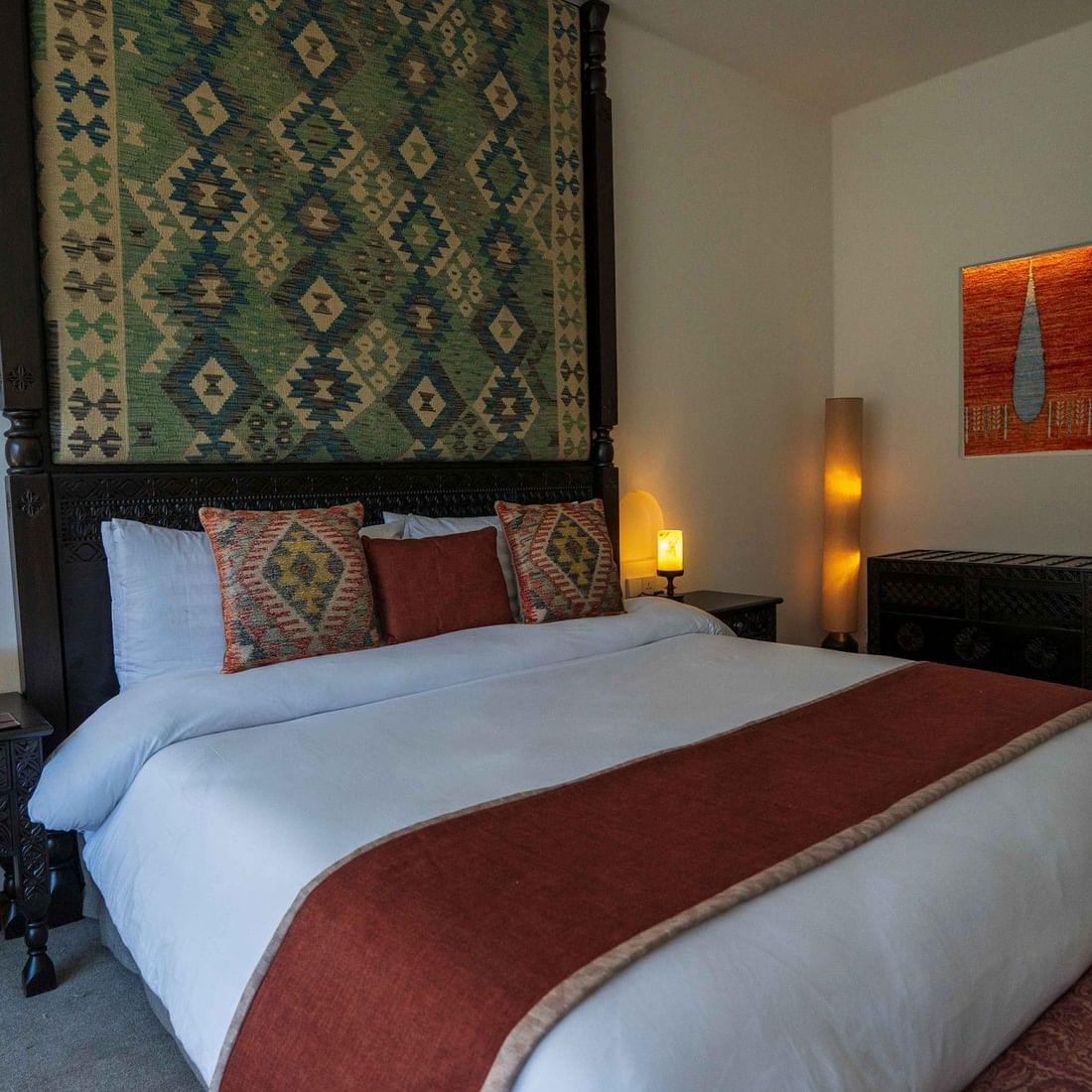
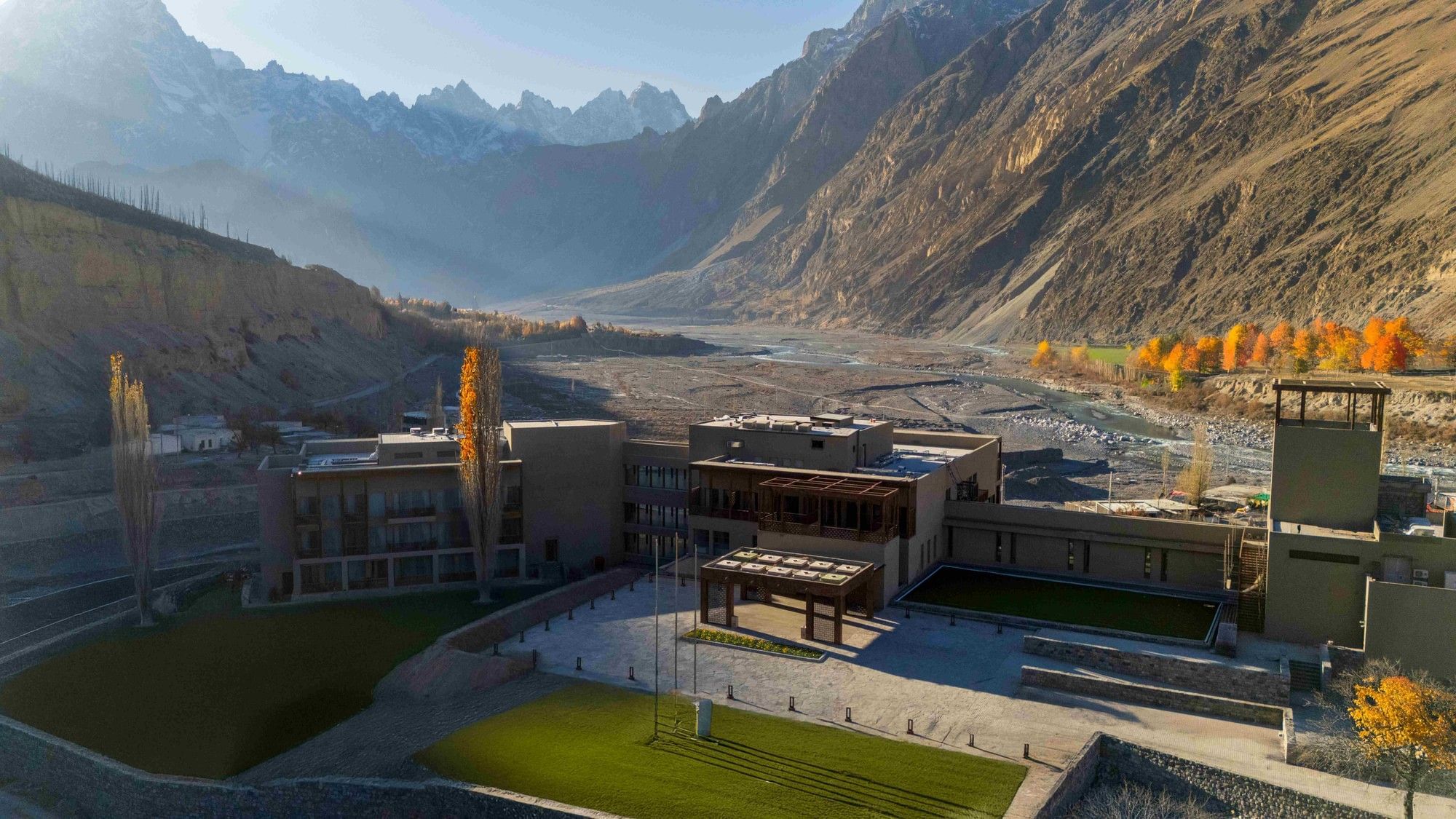
Sost Serena Hotel
Sost, Gilgit-Baltistan
Weather along the way
| Region | Day | Night | Conditions | What to wear |
|---|---|---|---|---|
| Islamabad / Peshawar | 32–35°C | 22–24°C | Warm, occasional showers | Light, breathable clothing |
| Swat | 26–28°C | 14–16°C | Cool, clear | Light layers, jackets for evenings |
| Malam Jabba | 16–19°C | 5–8°C | Cool | Light layers, warm jackets for evenings |
| Chitral | 24–27°C | 10–12°C | Dry, sunny | Layers, warm jacket for evenings |
| Baltistan | 22–25°C | 6–9°C | Dry, strong sun, windy | Sun protection by day, warm layer at night |
| Gilgit | 27–32°C | 15–20°C | Dry, strong sun, windy | Sun protection by day, warm layer at night |
| Fairy Meadows | 15–18°C | −2–5°C | Cold, can feel colder in wind | Thermal layers, insulated jacket, gloves, warm hat |
| Central Hunza | 20–23°C | 10–12°C | Mild, dry, clear | Light layers, jackets for evenings |
| Gulmit / Ghulkin / Sost | 16–19°C | 5–8°C | Cool | Light layers, warm jackets for evenings |
| Khunjerab Pass | −2–5°C | −10–0°C | Cold, windy, high-altitude | Full cold-weather kit |
Food along the way
Islamabad
As a planned capital built in the 1960s, Islamabad doesn't have a single native cuisine of its own - instead, it draws in the best of everywhere else in the country. Punjabi karahi and Peshawari-style barbecue both have a strong presence here, alongside a newer wave of contemporary Pakistani restaurants reinterpreting traditional dishes. F-6/F-7 and the Blue Area host much of the city's higher-end dining, while Melody Market and G-9 offer more casual, local-favorite spots. Worth eating well here before the trip properly begins - the food only gets more specialized, and in places more limited, from this point on.
Worth trying: The Carnivore, La Terrazza, Tuscany Courtyard, Zamana Restaurant, Street 1 Cafe, Des Pardes Restaurant, Savour Foods, 1969 Restaurant, Bar B. Q. Tonight
Peshawar
Peshawar's food culture is inseparable from its identity as an overland trading city centuries of Central Asian, Afghan, and Mughal influence converge in its kitchens. The signature dish is Peshawari karahi: mutton or chicken cooked with almost nothing but tomato, ginger, and green chili, letting the meat itself carry the dish. Namkeen (salted) tikka, cooked without the usual spice-heavy marinade, is a Peshawar specialty rarely found elsewhere. Chapli kebab - a flattened, spiced ground-meat patty, said to originate in Charsadda near Peshawar - is claimed proudly as a Pashtun dish, distinct from kebabs elsewhere in the country. Qissa Khwani Bazaar remains the best place to experience all of this at once: tandoors going from morning to night, kebab stalls, and naan pulled fresh and eaten immediately, standing, the way it's meant to be.
Worth trying: Monal Peshawar, Shiraz Ronaq, Chief Burger, Nisar Charsi Tikka
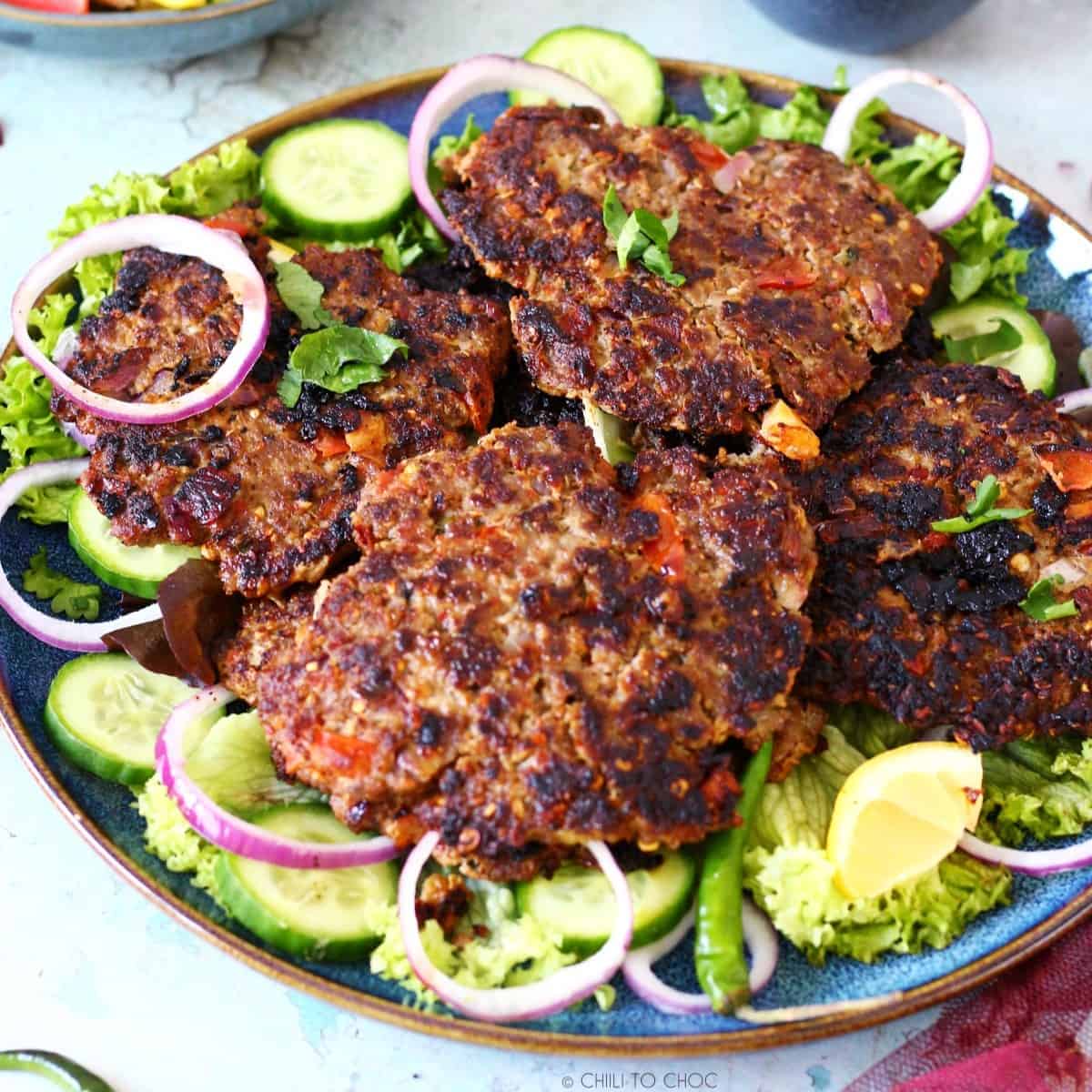
Chapli Kebab
Swat
wat's food carries the same Pashtun/Khyber Pakhtunkhwa foundations as Peshawar- tandoor bread, karahi, grilled meats - but at a noticeably slower, more domestic register, reflecting the valley's agrarian rather than trading-city character. Trout from Swat's rivers, where available, is a genuine local specialty worth seeking out specifically, distinct from the meat-forward cuisine found elsewhere on this leg. Mingora's older bazaar areas are the best place to find home-style cooking rather than restaurant fare.
Worth trying: The Vintage Home, Hujra Restaurant, Khumaryaan Grill
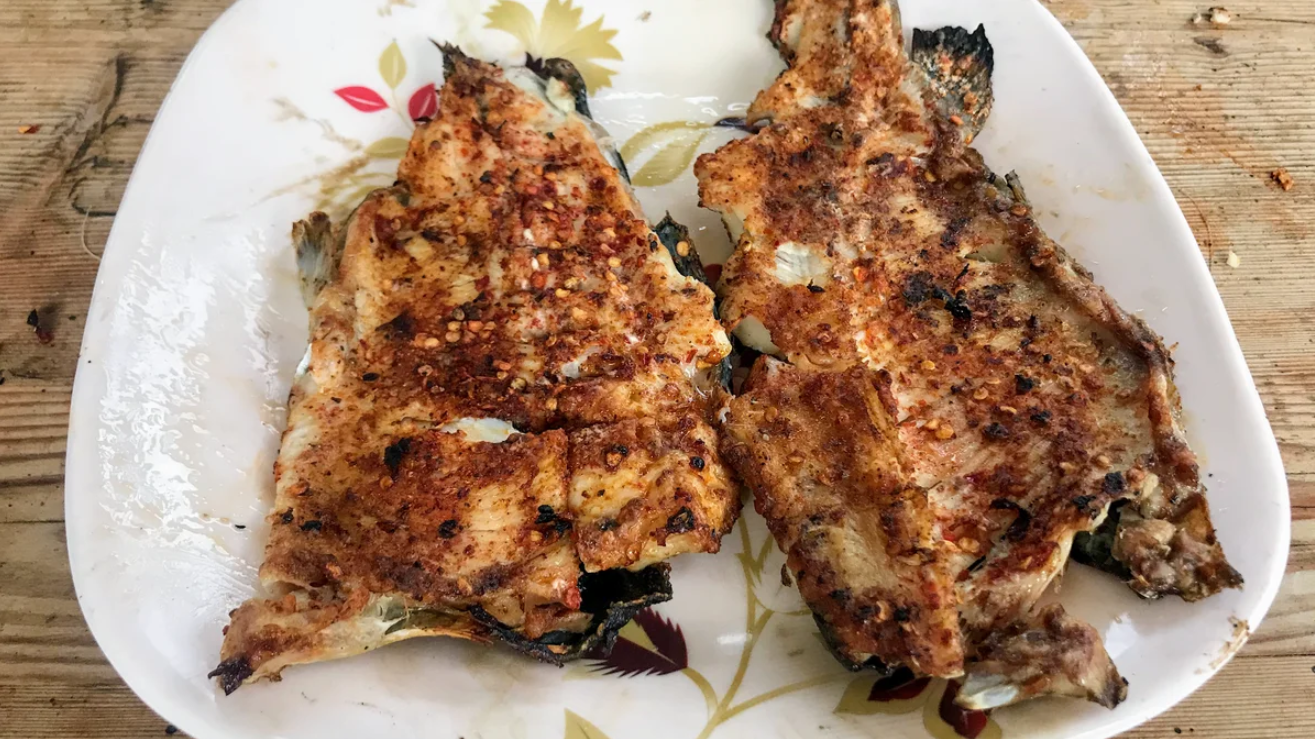
Trout Fish
Chitral
Geographically and culturally closer to Central Asia and the Pamirs than to the plains of Pakistan, Chitral's food reflects that isolation. Wheat, walnut, and dairy dominate rather than rice or heavy meat dishes. Tsalimuchi - a layered, griddle-cooked flatbread, sometimes filled with greens or walnut - is a Chitrali specialty worth trying specifically here, since it's rarely found outside the region. Shapik and other local breads follow a similar tradition. The Kalasha valleys carry their own further distinct food culture within Chitral district - a reminder that this isn't simply "Chitrali food," but multiple food traditions sitting close together, echoing the same cultural layering found throughout this journey.
Worth trying: Al Bustan Restaurant, Kai Cafe, Fokker Friendship Restaurant
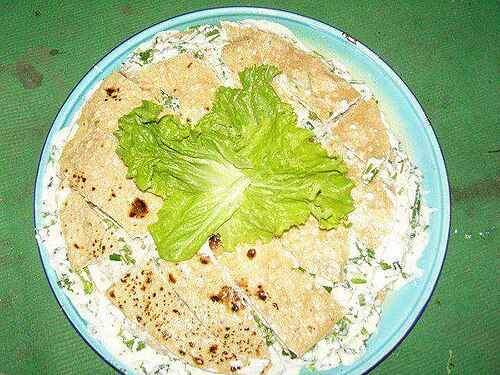
Ghalmandi
Gilgit
Sitting at the confluence of several cultural regions, Gilgit's food reflects that crossroads position - Shina, Burusho, Balti, Central Asian, and Punjabi influences all present, without one dominating. The valley is well known for its fruit, particularly in late summer and early autumn - apples, apricots, and mulberries all feature. Gilgit town's bazaar is a good stop for fruit specifically, timed well with a September visit.
Worth trying: Dawat Restaurant, Mawaid, Dumani, Cafe 1972, Paradise Grill
Fairy Meadows
Food here is shaped entirely by access rather than tradition - everything arrives by jeep or on foot, so the offering is simple: packet noodles, dal, rice, roti, and whatever vegetables and meat made the trip up. It's not a culinary destination in itself, but there's a particular satisfaction to a hot meal here that's earned by the trek - part of the experience rather than a letdown after the more distinctive food elsewhere on the route.
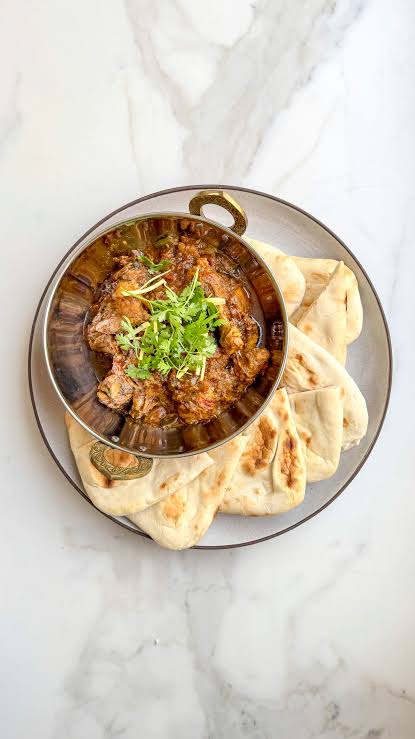
Chicken Karahi and Naan
Central Hunza
Hunza has one of the most distinct food identities in the entire region. Apricot oil replaces regular cooking oil in many traditional dishes. Chapshoro - a large, flattened bread stuffed with minced meat and onion, then baked and cut into wedges - is the valley's signature savory dish and worth seeking out specifically here. Diram phitti, a local flatbread, and various apricot-based dishes and preserves reflect the valley's orchard economy. Mulberries, fresh and dried, are everywhere in season. Karimabad's cafés - a number of them run with a self-consciously modern, traveler-oriented sensibility - also offer some of the best casual dining on the whole route, a good contrast to the more traditional eating found in Peshawar or Chitral.
Worth trying: Hidden Paradise Hunza, Pizza Pamir, Gingerfort Cafe, The2Magpies, Cafe Culture Hunza, Osho Maraka, Khao Pulao, Dawat-e-Hunza, Hunza Food Pavilion, Treehouse Cafe
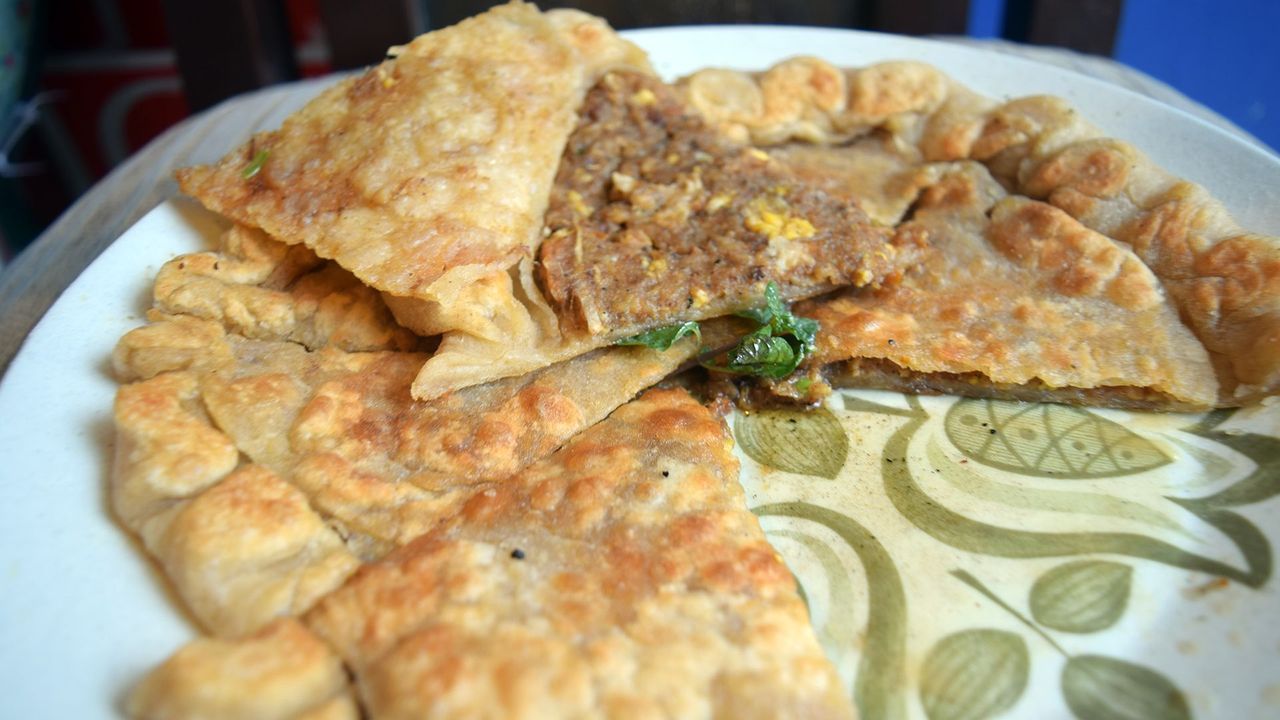
Chapshoro
Upper Hunza (Gojal)
Moving further up the valley into Gojal, the cultural and culinary character shifts again- this is Wakhi territory, linguistically and culturally distinct from Central Hunza's Burushaski-speaking population. Food here leans further toward what the high, harsh terrain can sustain: hearty grain and dairy-based dishes suited to the altitude and short growing season. Passu and the villages around Borith Lake are good places to encounter this more clearly than in the more touristed Karimabad stretch.
Worth trying: Moksha Cafe, The Springbok Cafe, Moksha Resort Cafe, Pamirian Coffee, Bozlanj Cafe, Khanabadosh Baithak, Yak Grill Passu, Pizvaan, Glacier Breeze, Cafe de Passu
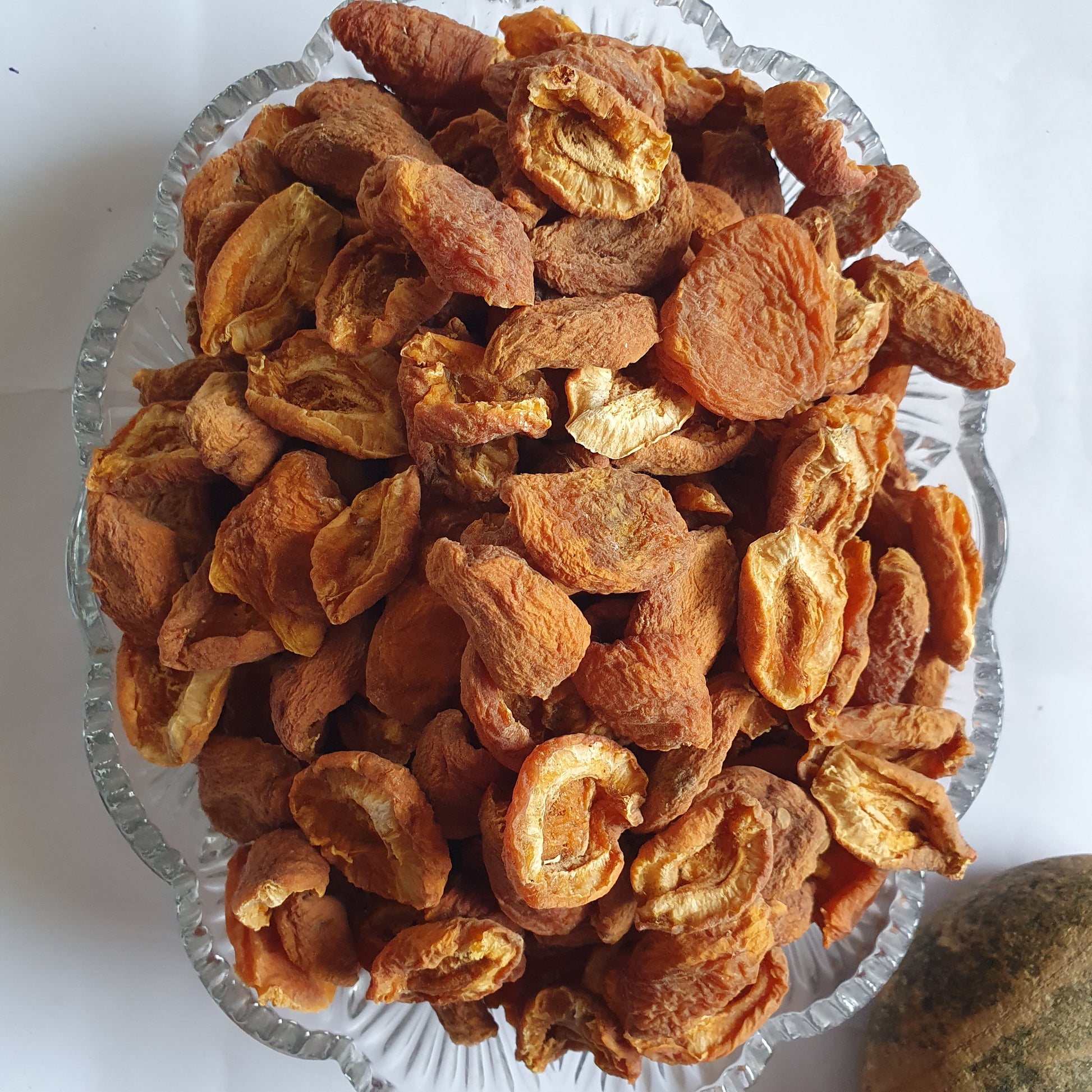
Khubani
What this trip costs
Based on 2 travellers over the full 20-day route. Final price is confirmed once group size and dates are set.
Price per person
PKR 784,000
What's included
- 5 Star accommodation throughout the route
- Private vehicle with driver and fuel
- Airport transfers
- Domestic flights (Chitral ↔ Islamabad, Islamabad ↔ Skardu)
- Jeep transfers (Fairy Meadows, Kalasha Valley)
- Entrance and activity fees
- Driver as Guide
Guide add-ons
- Local GuidePKR 8,000 per day
Estimate — confirm current rate at booking.
- Core team guidePKR 350,000 whole Trip
Estimate — confirm current rate at booking.
- Core team GuidePKR 750,000 whole trip
Staying on-site with client
- PhotographerPKR 12,000 per day
Want something like this?
We'll build a route around your dates and your group
Every client trip starts as a conversation — where, when, how many, and how you like to travel. Send us a message and we'll put a plan together.